- Home
- Fashion
India Couture Week 2026 opens with a stunning showcase of contemporary couture
India's biggest celebration of couture opened with a celebration of Indian craftsmanship, heritage and contemporary design through a collection that blended tradition with modern couture
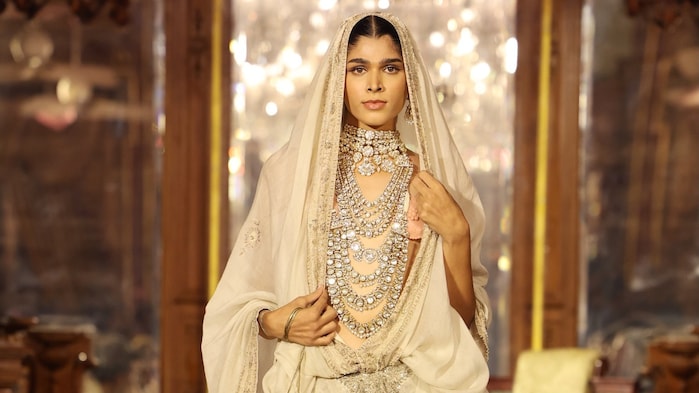

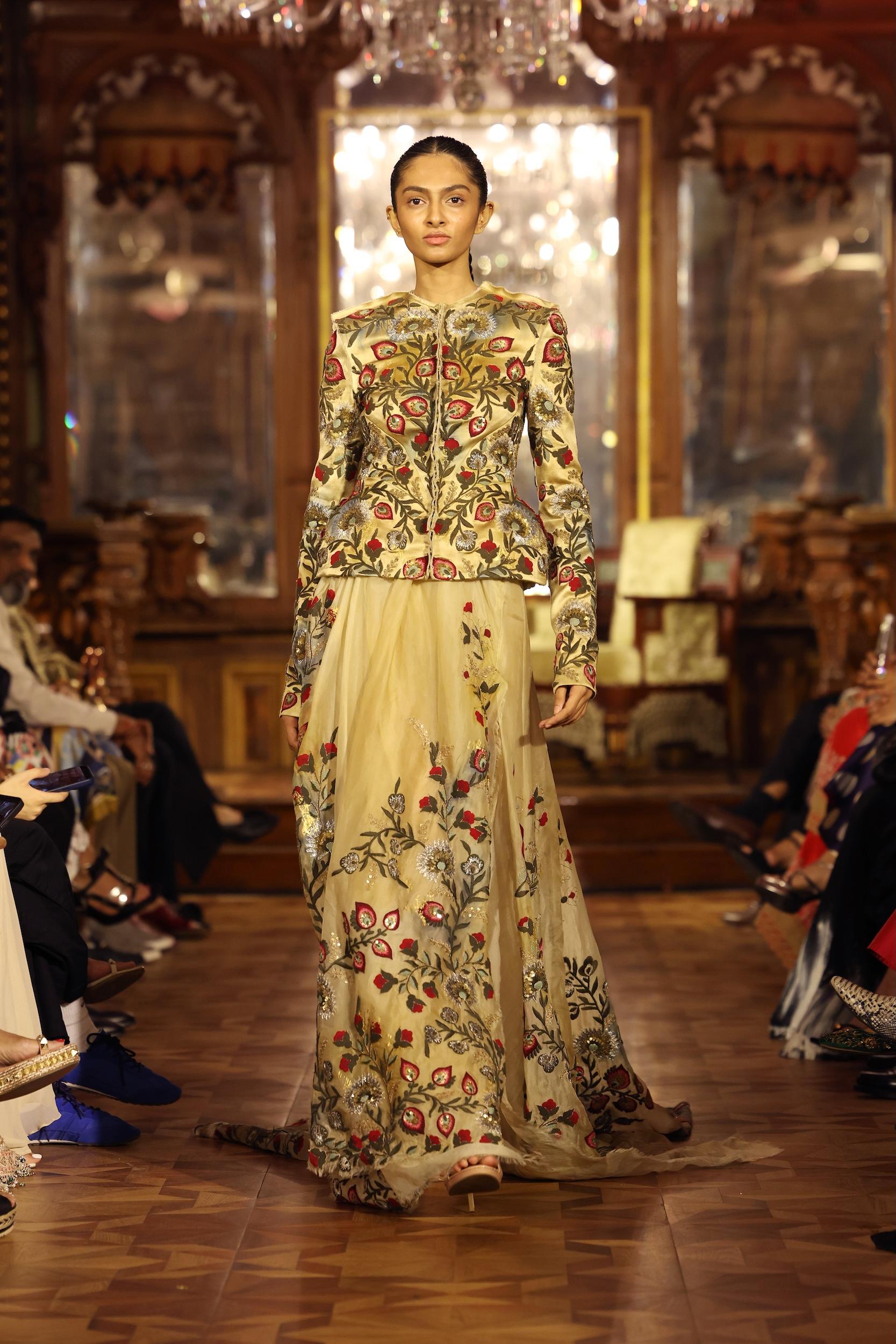
India's biggest celebration of couture is officially underway. Hyundai India Couture Week 2026, in association with Nexxus New York and presented by the Fashion Design Council of India (FDCI), opened with a spectacular showcase by designer Anamika Khanna at Hyderabad's iconic Taj Falaknuma Palace. Setting the tone for the season ahead, the opening presentation celebrated Indian craftsmanship, heritage and contemporary design through a collection that blended tradition with modern couture.
(Also Read: Fashion’s biggest superstars are on the football field)
Anamika Khanna unveiled her latest couture collection, Moonlit Palace, as the opening show of Hyundai India Couture Week 2026, in association with Nexxus New York, at Hyderabad's Taj Falaknuma Palace. Through a series of immersive runway movements, the collection explored how Indian craftsmanship can evolve while remaining deeply rooted in tradition, using light, texture and movement to bring its narrative to life.
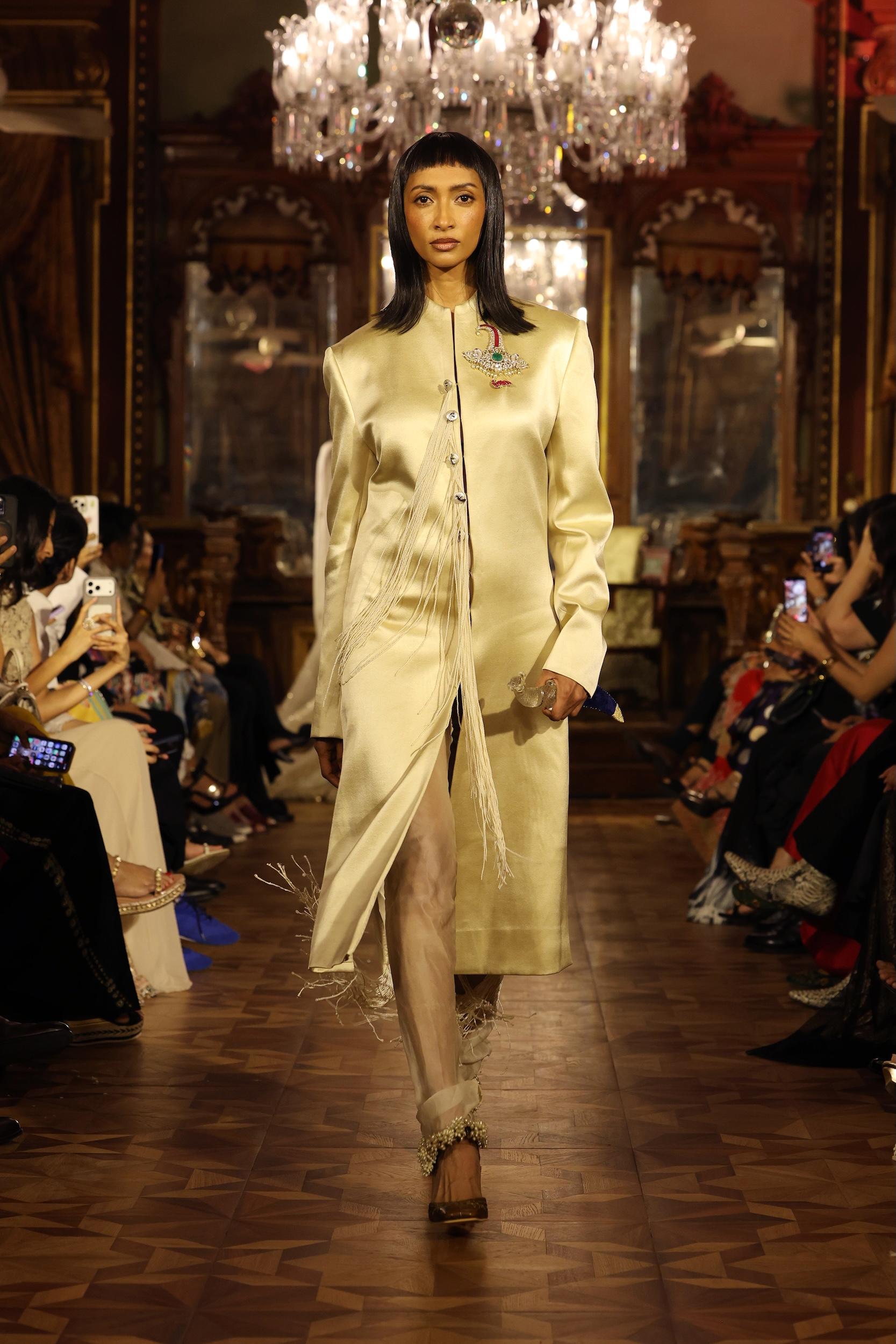
The showcase unfolded like a visual journey, with each segment revealing a different chapter inspired by India's rich artistic and cultural heritage. From fluid silhouettes and integrated jewellery to mirrorwork, metallic embellishments and hand-finished textiles, every look reflected the house's signature balance of craftsmanship and innovation. At its core, Moonlit Palace celebrated fashion as a living archive, demonstrating how traditional techniques and artisanal practices can continue to evolve while preserving the stories, identities and cultural legacies they carry. Inspired by themes of heritage, memory and reinvention, the collection featured intricate draping, integrated jewellery, Barmer's rich textile traditions and Kolkata's Kalighat artistic influences. Developed in collaboration with women artisans, Moonlit Palace celebrated clothing as a keeper of stories, honouring the craftsmanship, cultural legacy and creative spirit of generations of women while reimagining traditional techniques for contemporary couture.
The show returned to the capital city, at the iconic Taj Palace, New Delhi, where the rest of the showcase was set to continue. On day 2, the opening show was the couturier duo Falguni Shane Peacock's showcase with their collection, Le Grand Voyage. Falguni Shane Peacock are synonymous with taking Indian couture to the world. Yet, at the heart of the brand's design philosophy lies travel. Every destination, monument, palace and work of art becomes a source of inspiration, leaving behind stories that are reimagined through the language of couture.
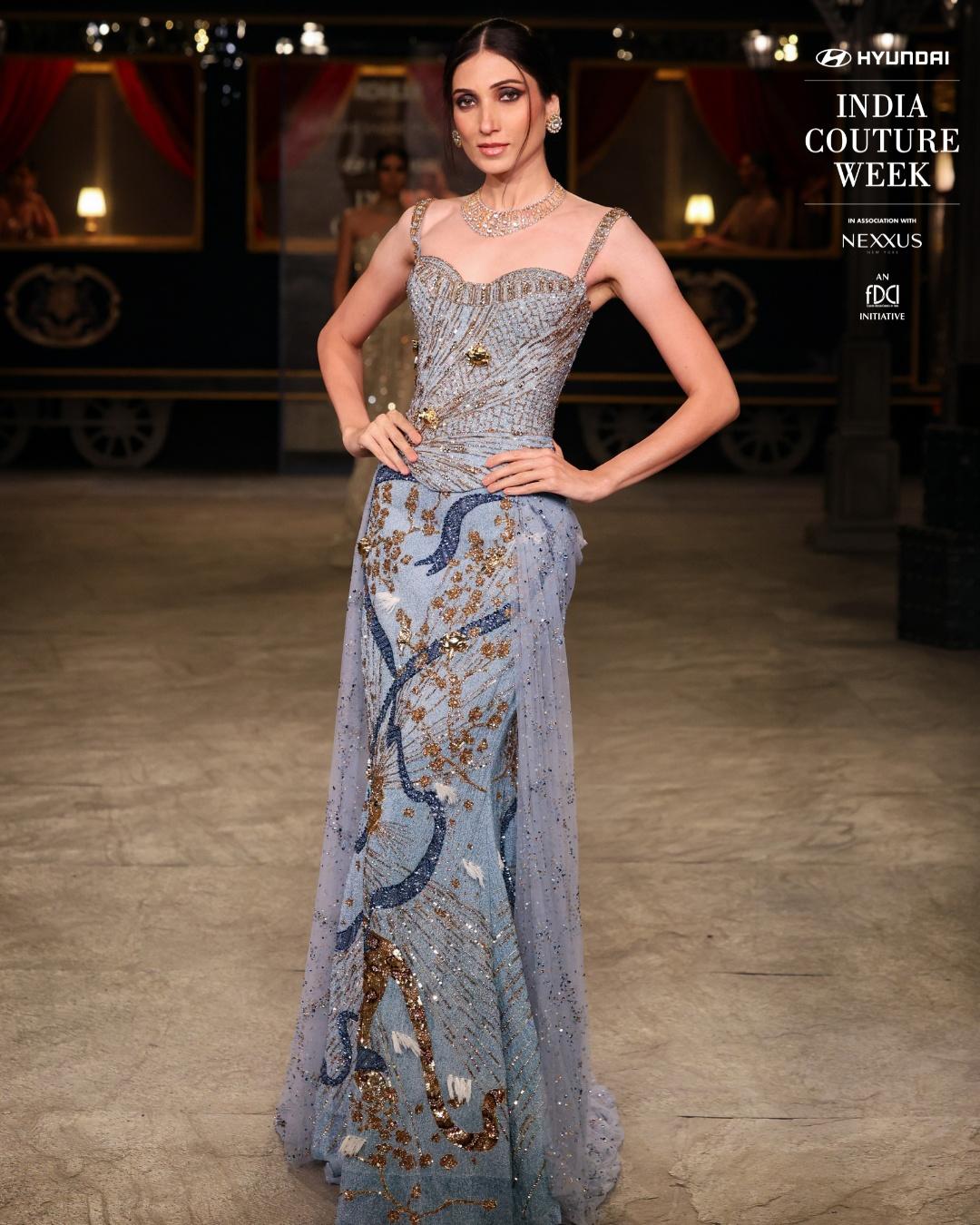
With Le Grand Voyage, these stories unfold across continents, weaving together architecture, history and exceptional craftsmanship into a celebration of discovery, culture and contemporary luxury. The collection draws inspiration from Byzantine mosaics of Rome, the Belle Époque elegance of Paris, the Gothic splendour of Strasbourg, the regal palaces of Bavaria and the timeless magnificence of the Taj Mahal. The designers translate them into pieces of wearable art with their impeccably crafted signature tapestry.
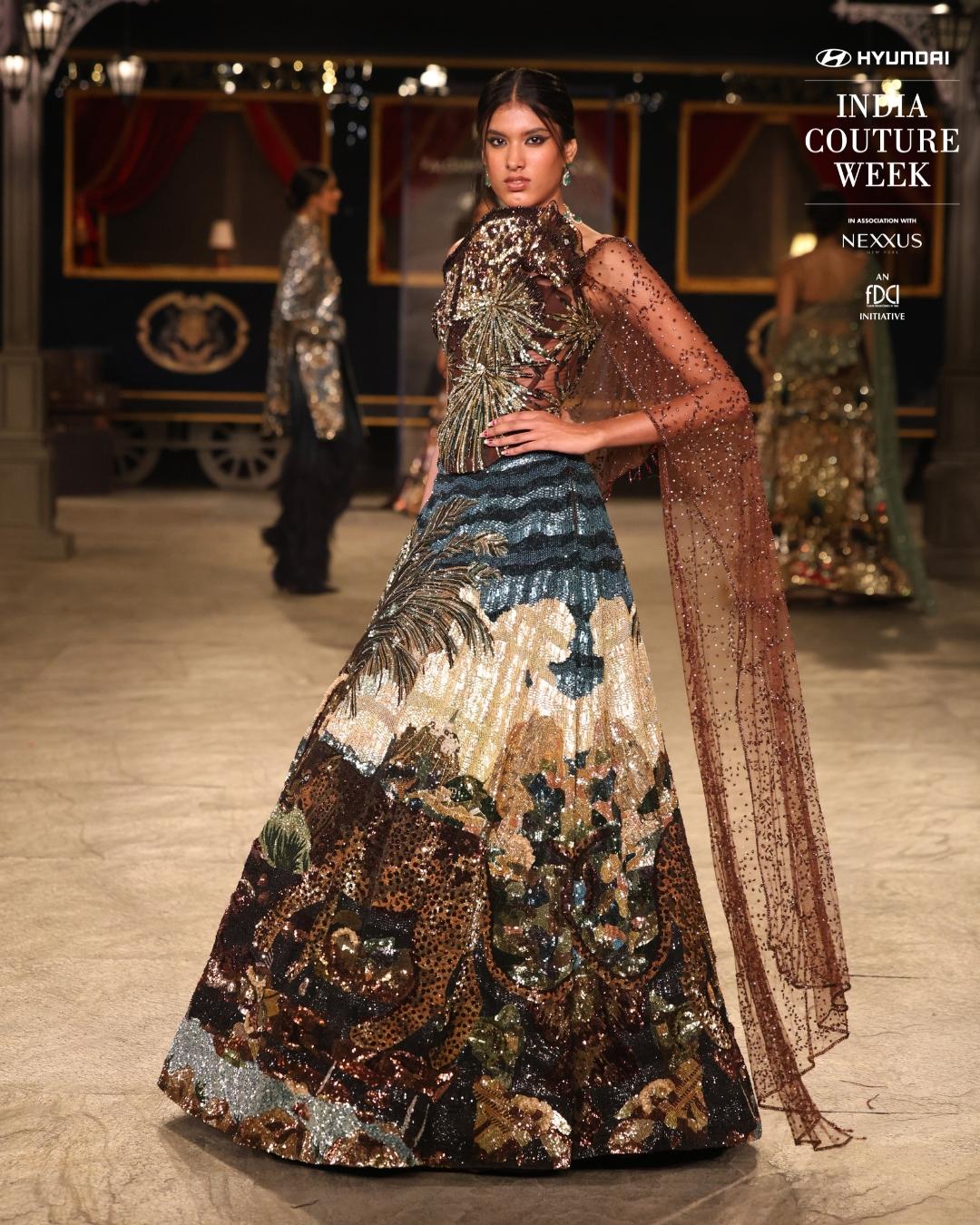
Created in collaboration with Kohler, mcelebrates the brand's pioneering legacy of using colours and finishes as a means of personal expression, transforming everyday bathrooms into uniquely curated sanctuaries. Signature metallic finishes including Brushed Rose Gold, Brushed Bronze, Brushed Moderne Brass and French Gold, alongside hues such as Teakberry, Cashmere and Honed Blush, are reimagined through intricate embroidery, sculptural silhouettes and refined surface treatments, reflecting the precision, innovation and timeless luxury synonymous with the brand.
The last show of the night was of designer Rohit Bal. This was the late designer's second show after his untimely demise, where the brand continues to carry its legacy. The latest collection, Dastkar, a stirring tribute to the master artisans whose hands have shaped one of India’s most enduring couture legacies for over three decades.
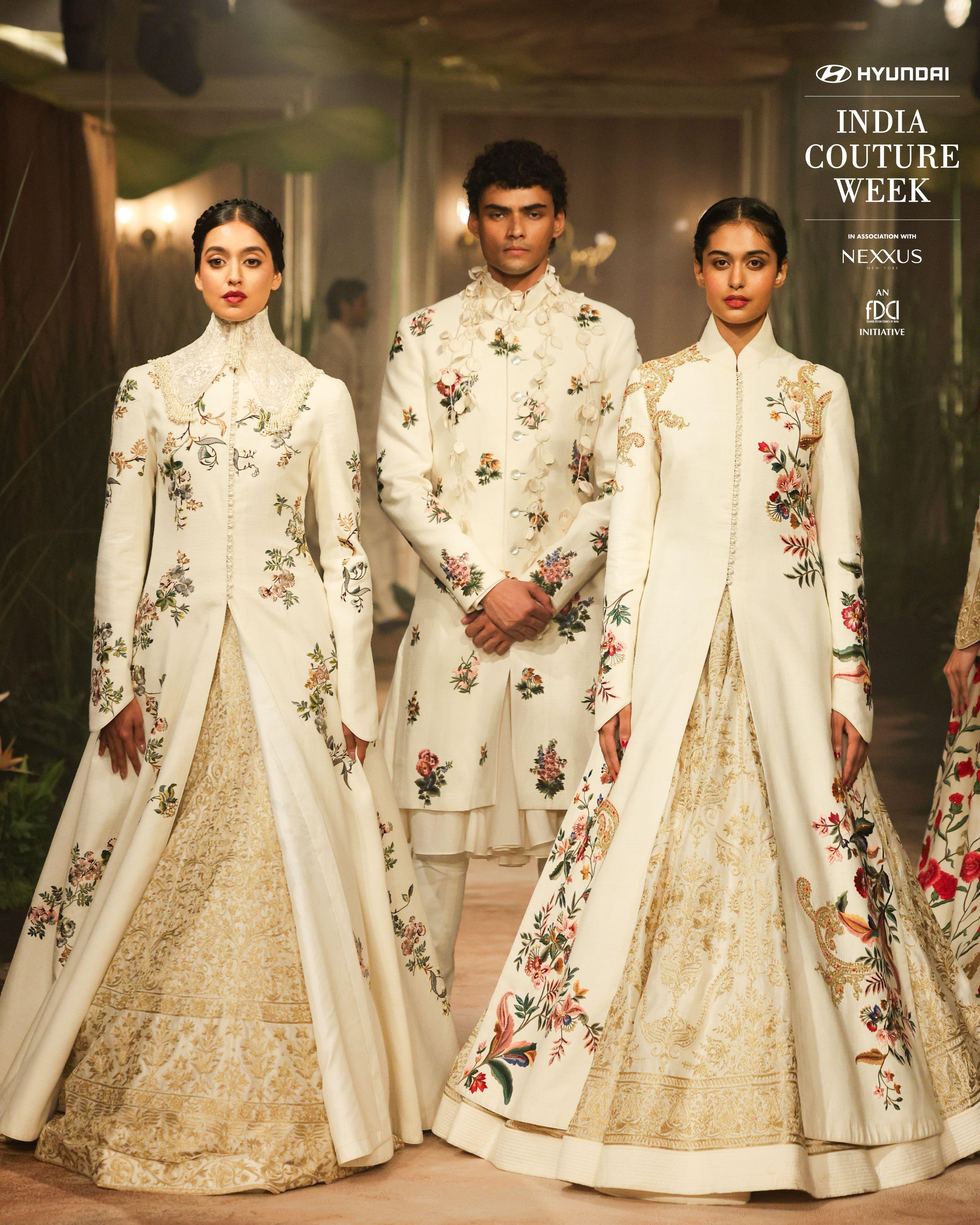
Presented at the iconic Taj Palace, New Delhi, the collection unfolded as a heartfelt tribute to the generations of artisans whose skill, patience and extraordinary dedication have remained the foundation of the House’s enduring legacy. More than a couture presentation this was an acknowledgement of the countless hands that have quietly shaped every chapter of the Rohit Bal story. With this showcase, the narrative shifted from the atelier to its artisans. Every silhouette became a celebration of inherited knowledge, every embroidery an expression of patience, and every garment a testament to the enduring dialogue between imagination and craftsmanship.
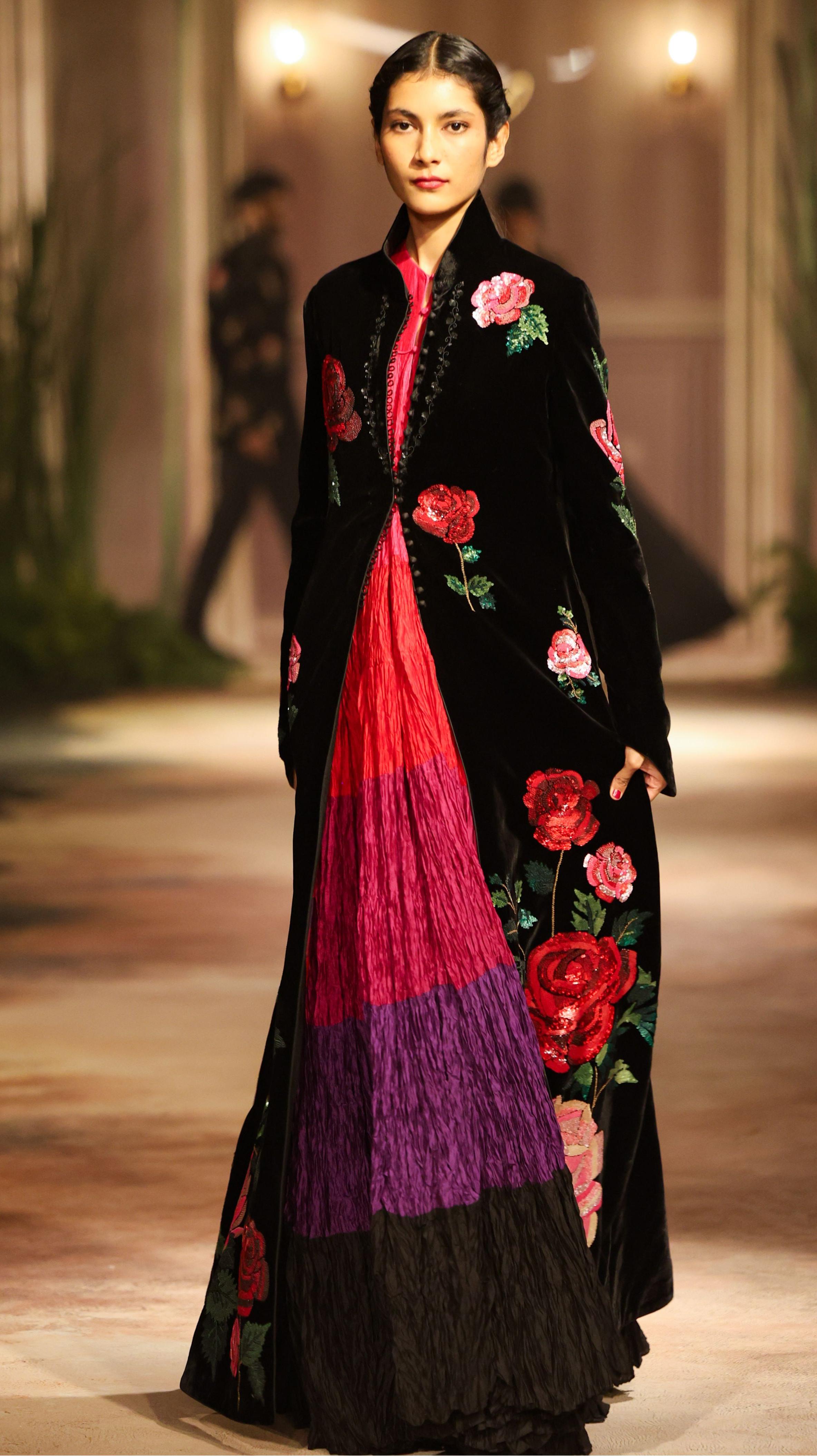
For the late designer, fashion was never merely a business; it was an act of devotion. Every collection became a love
letter to India, drawing deeply from the lotus, the chinar, the peacock, the rose, the landscapes of Kashmir, walnut wood carving, lacquer work, temple architecture, miniature paintings, Mughal gardens, ancient textiles and forgotten embroideries. Dastkar carries forward that enduring vision, honouring not only the artisans who brought his imagination to life but also the creative spirit that shaped one of India's most celebrated fashion legacies. Drawing inspiration from the ornamental richness of French tapestries, vintage wallpapers and the rhythmic interplay of lines and dots, Dastkar explored an intricate conversation between art, architecture and couture. Rich silks, velvets and heritage textiles formed the canvas for exquisitely executed hand embroideries, layered textures and sculptural silhouettes that balanced grandeur with restraint. Where the signature whites, black velvets and the famous Rohit Bal-esque red rose motifs made a return, so did the fresh entry of a brand new palette of colours from a myriad of different Indian cultures. Every ensemble embodied a quiet opulence, where artistry spoke louder than excess and every detail carried the unmistakable imprint of the artisan’s hand.
(Also Read: The sports world is making a statement with jewellery)
Other topics