- Home
- Fashion
How Valentino Garavani, the ‘Emperor of Elegance’, went on to make red his signature
From Rome to the red carpet, his ‘Valentino red’ became fashion’s most recognisable shade. Worn by stars, first ladies and society icons, it was his most enduring legacy
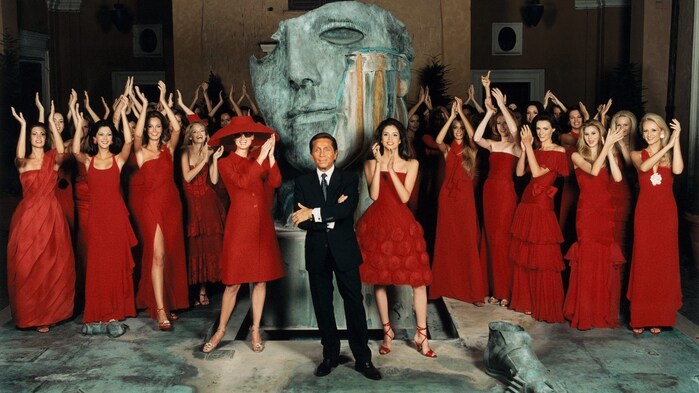

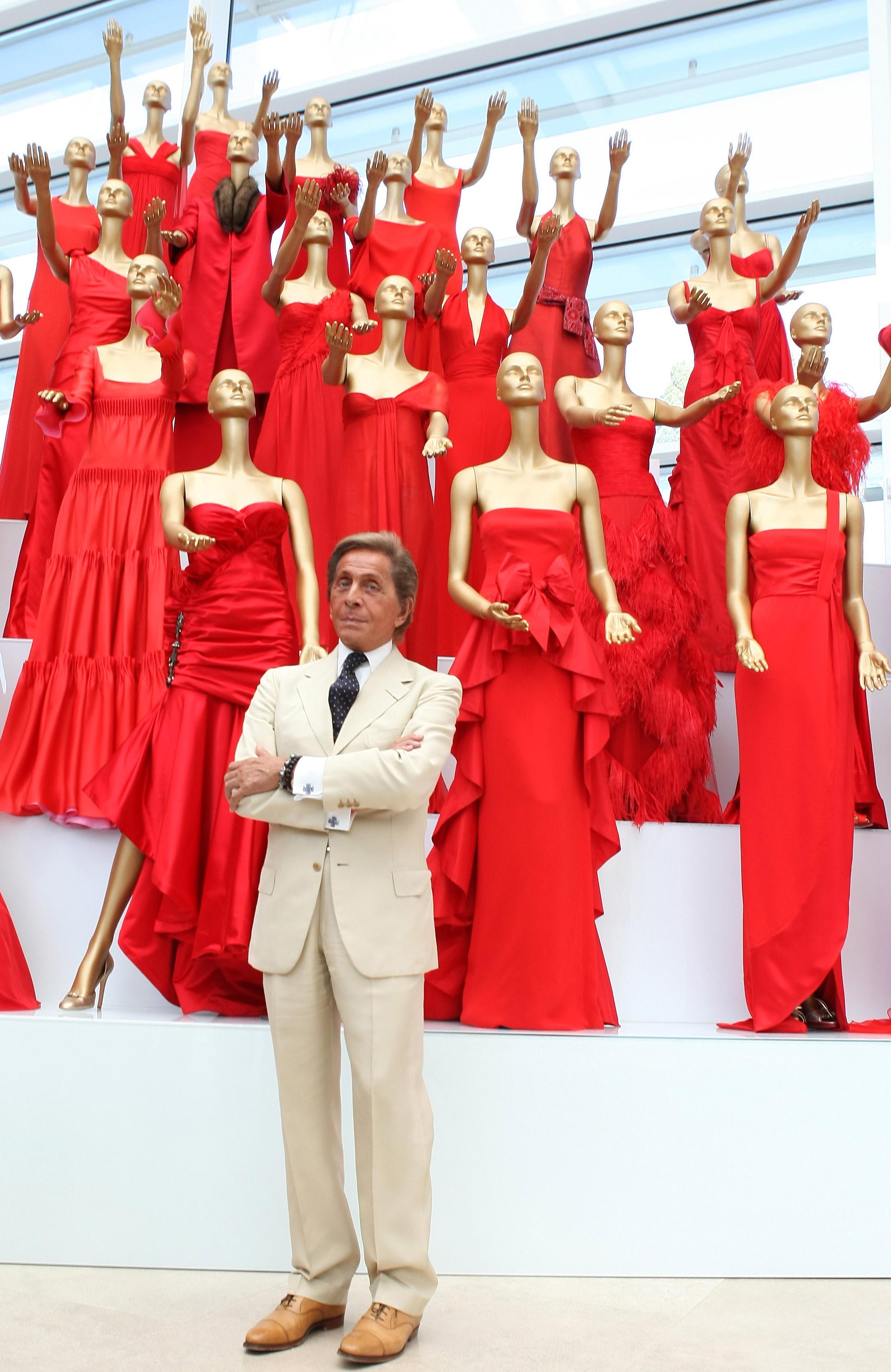
There are designers who create clothes, and then there are the rare few who create a feeling so specific it becomes instantly recognisable; like a scent you can name with your eyes shut. Valentino Garavani did that with red. Not just any red. No, not the attention-seeking kind that wears you before you wear it. A red that looked lacquered and lyrical at once: rich as a rose at midnight, plush as the velvet seats under cinema lights. Valentino red wasn’t just a colour; it was his instantly recognisable signature. It was an entrance, a posture, a kind of confidence a woman could slip into with the ease of lipstick.
(Also read: From Princess Madeleine to Queen Maxima, Valentino's most memorable royal wedding dresses)
Valentino Garavani—often called fashion’s ‘Emperor of Elegance’—died yesterday at 93. In the hours since, the tributes have felt less like industry protocol and more like a genuine outpouring of grief for a man who made glamour feel disciplined again: bows tied with authority, lace treated like inheritance, and silhouettes that didn’t chase the body so much as honour it. Yet if his atelier gave fashion many things—from impeccable craft to Roman grandeur to an unwavering belief in beauty—his most famous gift was still that shade of red. “In Italy, there is the Pope—and there is Valentino,” a mayor of Rome once said.
Valentino himself traced its origin to an early memory: a night at the opera in Barcelona, watching women dressed in red stand out from the crowd. From then on, the colour became his talisman. Red, he decided, would be his lucky shade; his signature, his return address. It’s telling that he didn’t speak of it like a fleeting mood but like an identity: a colour that could outlast seasons, trends, even time.
To understand why Valentino red mattered, you have to understand how Valentino thought about women. He didn’t dress for the idea of a woman who wanted to blend in, shrink, or look accidentally beautiful. His woman was deliberate. She wanted her presence to be felt. She liked her clothes to do a little of the talking—nothing chaotic, nothing messy, but an unmistakable statement. “I always look for beauty, beauty,” he said in a 2009 interview with Charlie Rose. And he reduced his philosophy to a line so frank it felt like a couture mantra: “I try to make my girls look sensational.”
That attitude translated into clothes engineered to photograph beautifully and move with ease. A Valentino gown held its own under flashbulbs because it had structure beneath the romance: bodices that swirled around the torso with ease, necklines that revealed just enough, and skirts in three-dimensional blooms. Even his signature details—bows, ruffles, lace, rosettes—were never complicated; in his hands, they stayed precise and purposeful. Lace wasn’t “pretty”; it was precious. A bow was never a cute afterthought; it sat like punctuation at the waist or shoulder, tied with the decisiveness of a final word.
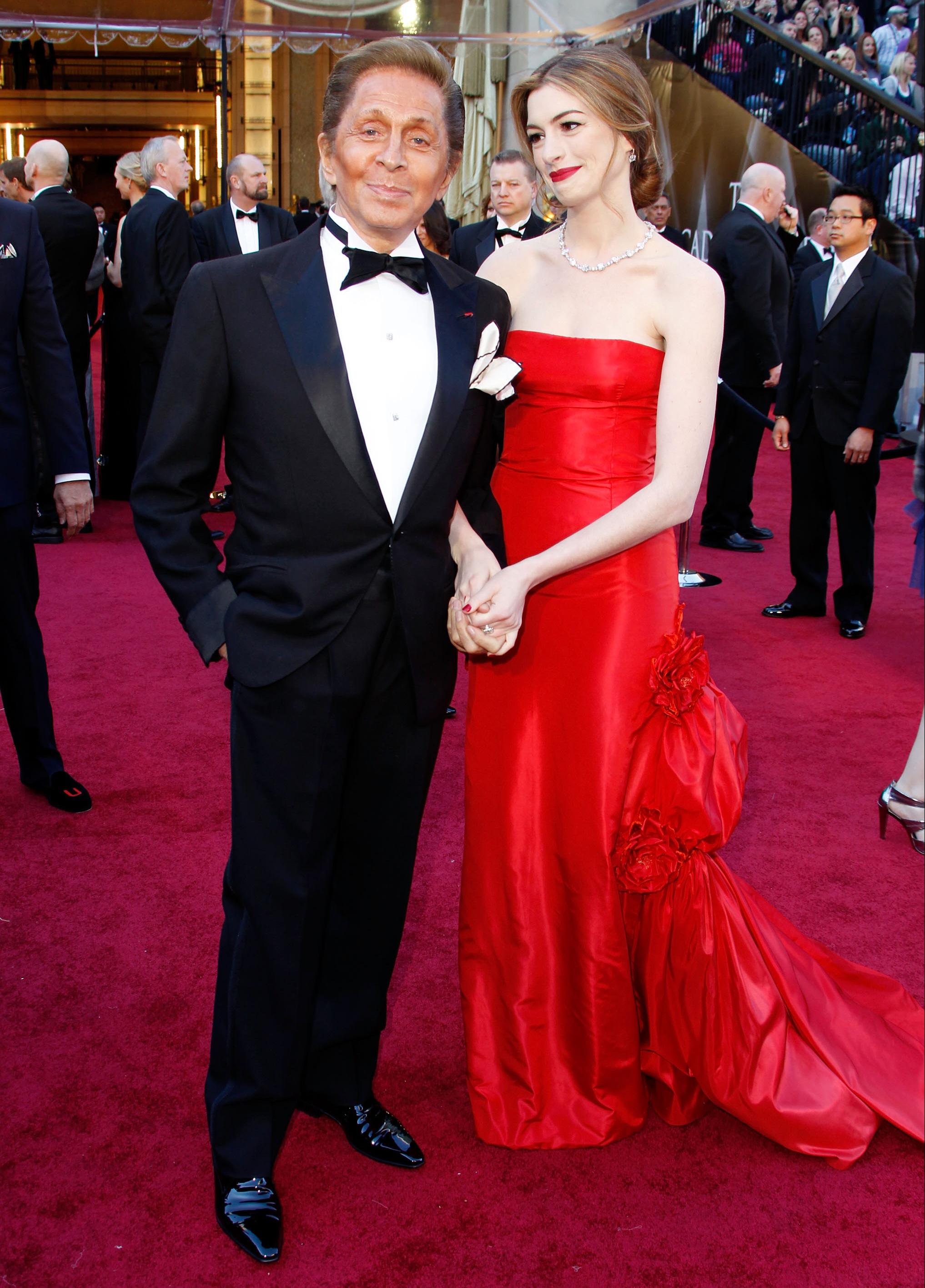
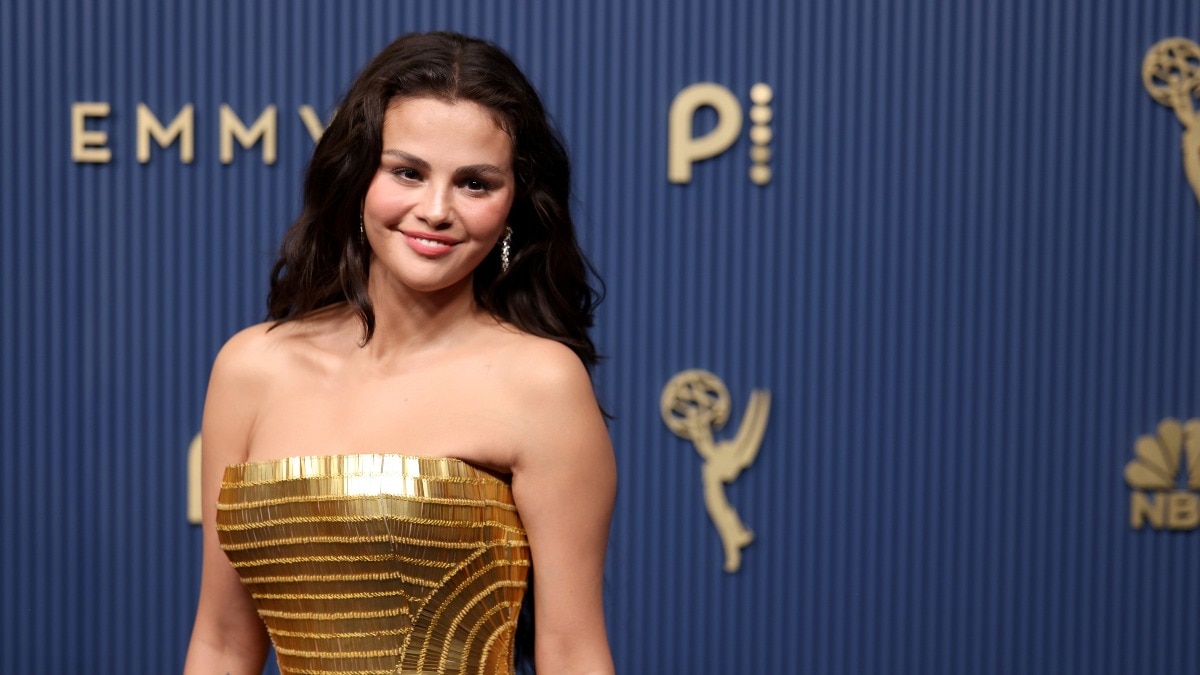
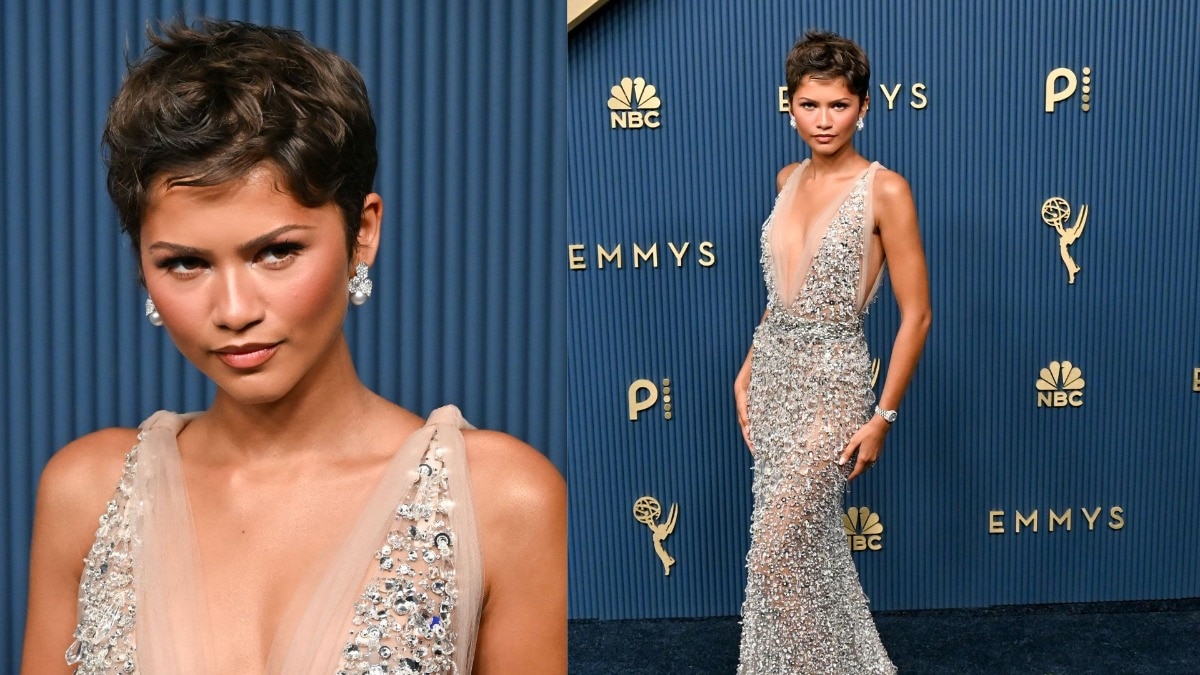
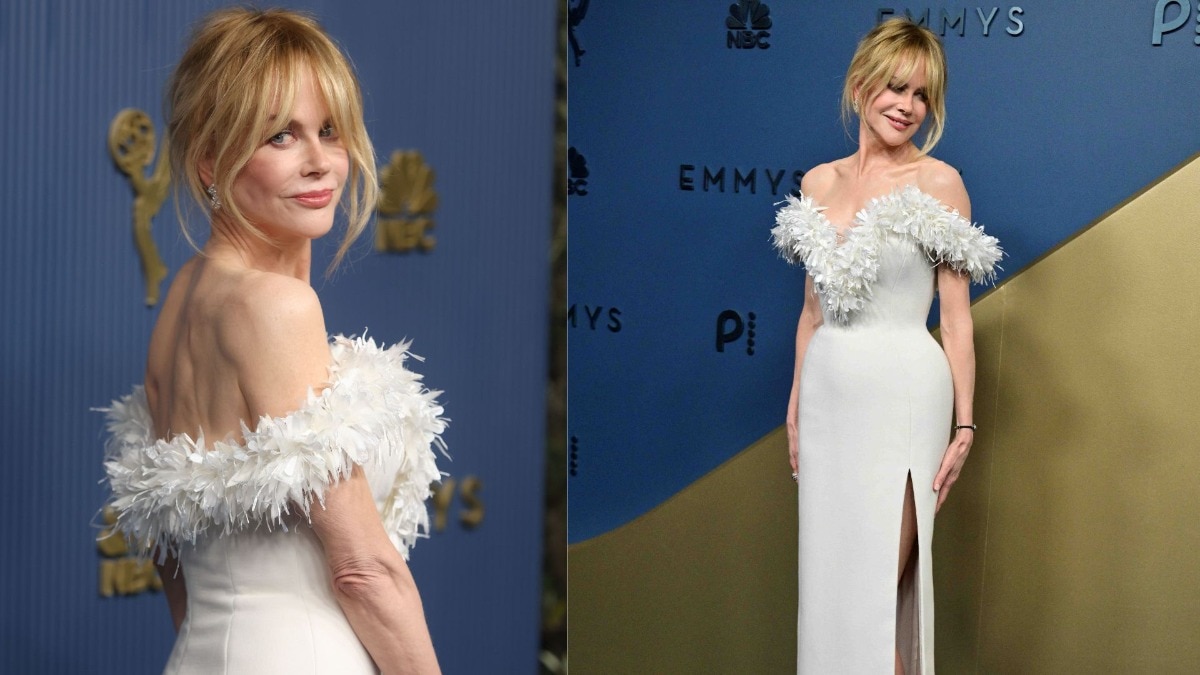
Then came the red carpet—an arena Valentino understood long before it became the fashion-industrial spectacle it is today. Women wore him not only because he made them look exquisite but also because he made them look important. Wearing Valentino didn’t just make someone look good; it made them look unquestionably right for the moment.
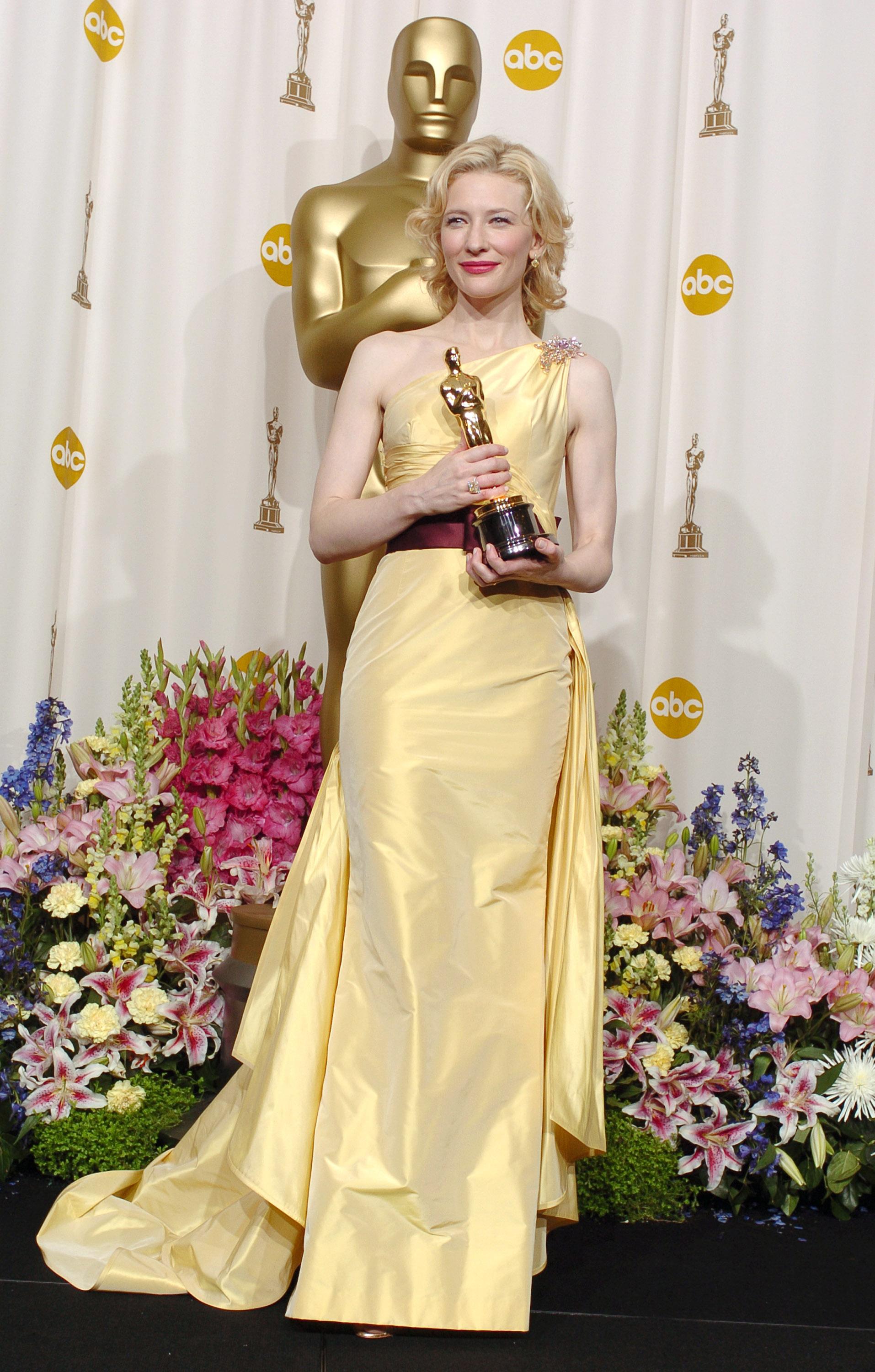
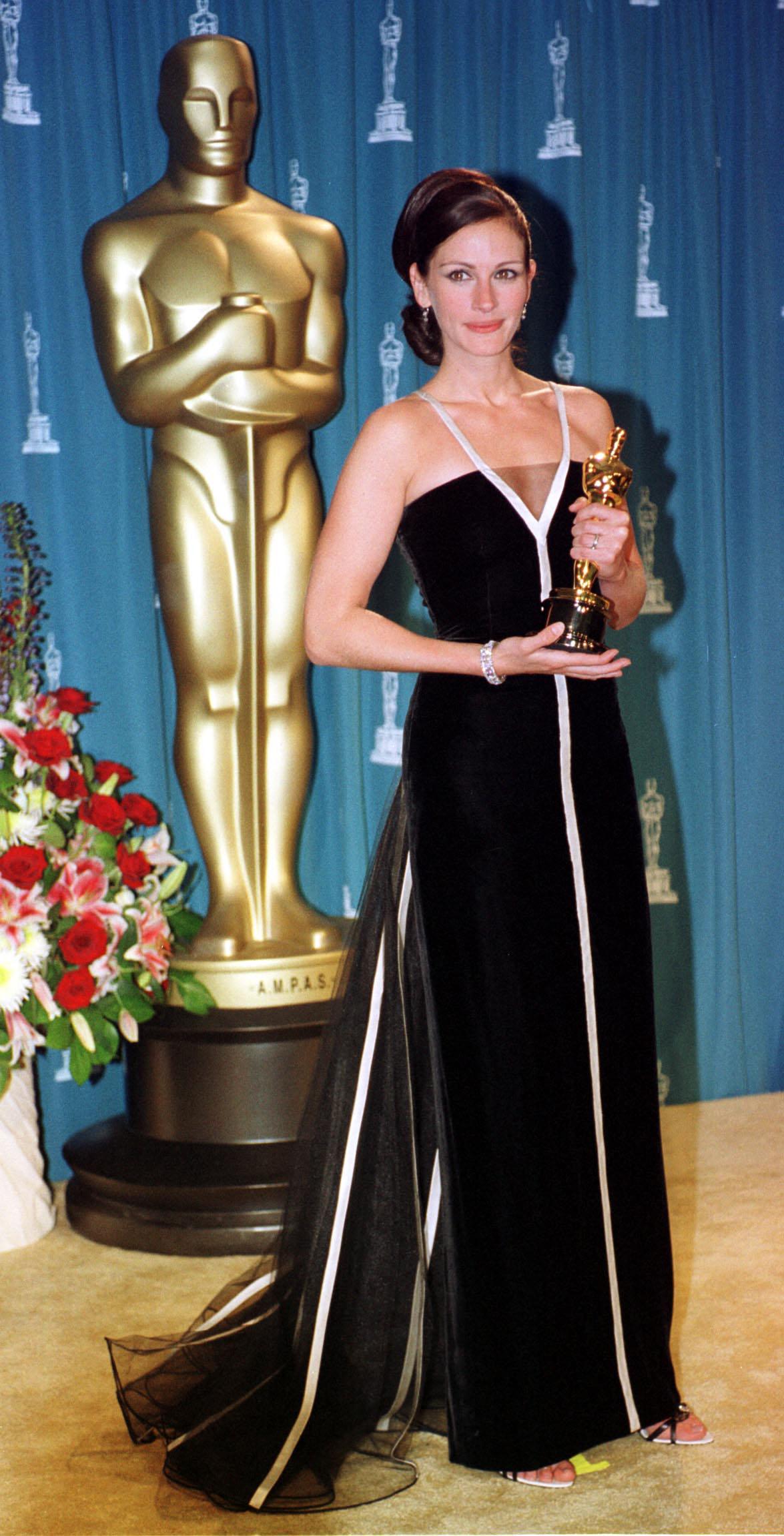
Over the decades, his work intrinsically became a part of pop culture: Julia Roberts in the black-and-white Valentino gown as she accepted her Oscar in 2001; Cate Blanchett in that luminous, old-Hollywood silhouette (complete with a dramatic bow detail) at the Academy Awards in 2005; Anne Hathaway, Jennifer Lopez, Penélope Cruz, Charlize Theron, Lady Gaga—the list reads like a red carpet hall of fame, with Valentino as the steady hand behind some of its most replayed moments. Long before the red carpet became a global livestream, he dressed women whose wardrobes were history books: Jacqueline Kennedy, Elizabeth Taylor, and Audrey Hepburn—icons who understood a dress could be both; armour and allure.
Even with that level of celebrity, the clothes never read as dress-up. The garments were controlled, deliberate, and impeccably made. When fashion swung toward “undone” and “ugly-pretty”, Valentino stayed loyal to refinement. “I cannot see women destroyed, uncombed or strange,” he told Vanity Fair in 2004—a line that neatly sums up his refusal to romanticise chaos.
Born Valentino Clemente Ludovico Garavani on May 11, 1932, in Voghera, Italy, he was drawn early to the romance of fashion; to its craft, its escapism, its ability to transform. He trained in Milan before moving to Paris, where he studied at the École de la Chambre Syndicale de la Couture Parisienne and sharpened the discipline that would underpin his career. When he returned to Rome and opened his own atelier on Via dei Condotti, he did so with conviction that left no room for ‘maybe’. Rome wasn’t just his base; it was part of his design language with marble grandeur and old-world formality.
In 1960, he met Giancarlo Giammetti, the partner who would become central to both his life and his empire. Valentino focused obsessively on creation; Giammetti anchored the business, protecting the vision so it could expand without losing its identity. Together, they built Valentino into a name that came to signify a particular kind of luxury: not merely expensive, but refined; not merely beautiful, but finished.
And through it all—through decades of fashion shifts—Valentino stayed consistent. He didn’t bend a knee to every trend; he continued to refine what he believed in. His legacy is visible in archives and exhibitions such as Forever Valentino (staged at M7 in Doha) and in the 2008 Matt Tyrnauer-directed documentary Valentino: The Last Emperor, but also in the way designers still return to his codes: precision, romance, and clothes finished to the last detail.
It was, as if, in the end, the point wasn’t the celebrity moments—beautiful as they were and endlessly replayed—but how he made fashion understand at a deeper level that a single idea, repeated with absolute conviction, can change the way we read clothes. For Valentino, that idea was refinement—made visible in a neckline, a bow, a line of lace—and, more unmistakably, in red. Not as decoration, but as identity. The kind that alters how we see a garment, and the body inside it.
(Also read: Remembering Giorgio Armani, architect of modern style and red carpet glamour)
Continue Reading