- Home
- Fashion
What Jensen Huang, Mark Zuckerberg and Sam Altman wear says more than you think
The world’s most powerful business leaders know the value of a recognisable look—and how clothing can shape the way they are perceived


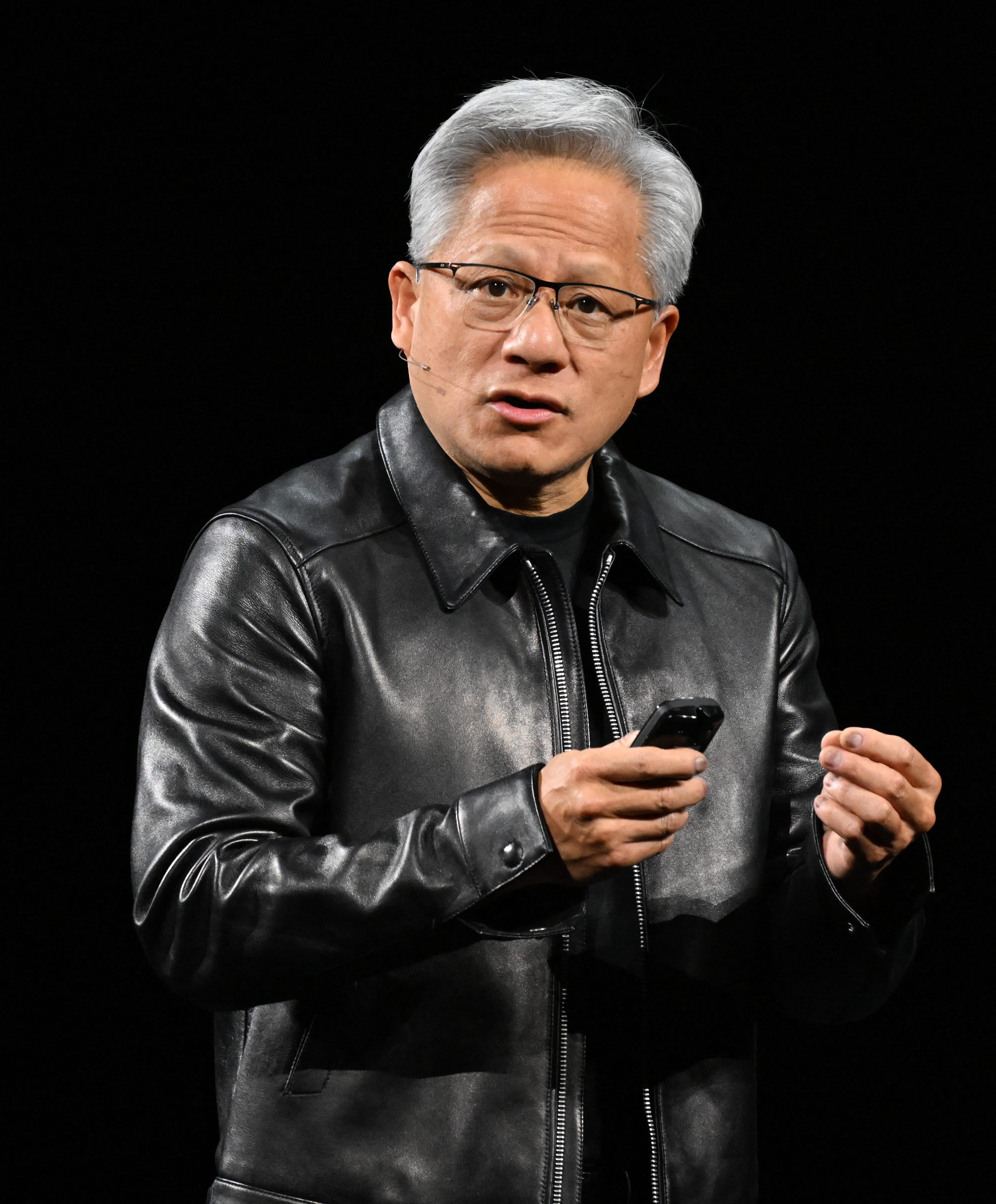
Jensen Huang’s jacket has had quite the week. When the Nvidia founder returned to the company’s Silicon Valley headquarters on November 23, following his reinstatement as CEO, one detail was conspicuously missing: his trademark black leather jacket. Instead, Huang arrived in a navy cotton zip-up from Dior. The internet, predictably, had opinions.
(Also read: Kate Middleton’s 2025 Wimbledon dress gets a re-wear in Mumbai, while William wears an Indian designer)
For nearly two decades, Huang’s black T-shirt, dark trousers and leather jacket have been as recognisable as Nvidia’s green logo. Often associated with Tom Ford, the jacket, with its sharp collar, structured silhouette and glossy finish, borrows from the vocabulary of motorcycle dressing while retaining the polish of luxury menswear. It is rebellious, but not particularly rough around the edges. There is something calculated about its nonchalance: the sort of garment that suggests its wearer has more important things to worry about than getting dressed.
The New York Times noted how the leather jacket had helped position Huang as a maverick, a man who operated outside conventional corporate codes. But following reports of extramarital affairs that led to his brief departure from Nvidia, the same uniform began to invite a different reading. As The Guardian observed, his replacement navy cotton jacket suggested modesty and restraint, rather than the bravado associated with leather. Even more interestingly, the Dior piece, reportedly worth £2,400, was hardly an exercise in dressing down. It simply communicated something different.
And therein lies the conversation. When did what the world’s most powerful men wear become almost as interesting as what they say?
It is tempting to dismiss this as fashion-page frivolity. But consider the men in question. They are not elected politicians, yet their decisions influence economies, employment, communication, artificial intelligence and the way we live. Their public appearances are scrutinised, their images endlessly circulated and their wardrobes quietly absorbed into their personal brands.
In a 2024 essay for The New York Times, the newspaper’s fashion coverage made a compelling case for examining what politicians wear. Clothing, it argued, is an important tool of communication, with strategy often sitting behind style. The same argument deserves to extend to the men running the world’s most influential corporations. Substance comes before style, certainly, but the two do not exist entirely independently of each other.
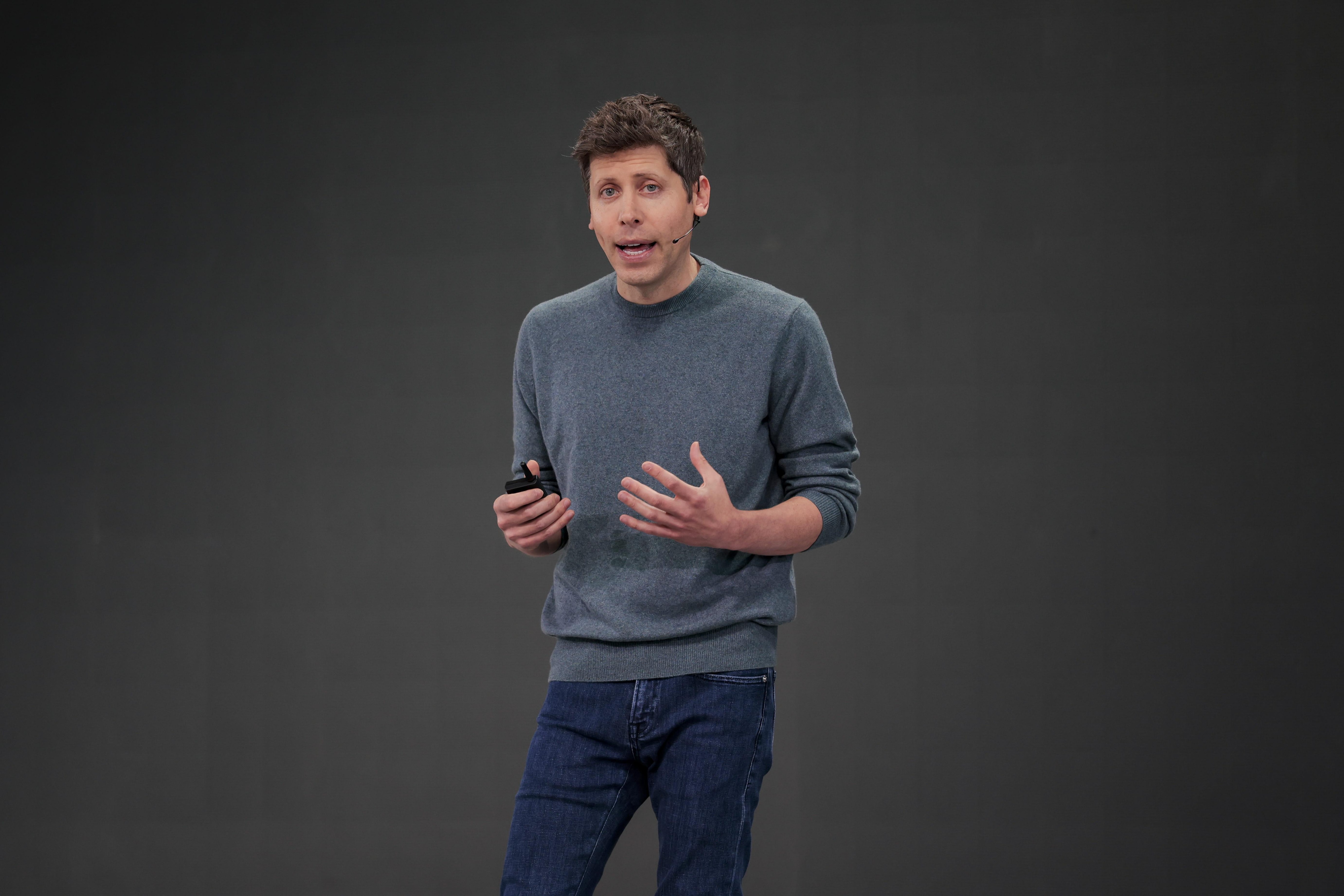
Consider Sam Altman, the OpenAI chief executive whose company brought ChatGPT into everyday conversation. His wardrobe is largely a rotation of grey sweaters and jeans. In a profile published by The New Yorker, Altman himself admitted that he now wears the combination almost every day, even joking about the decision fatigue involved in choosing between his grey sweaters. The muted palette and unassuming silhouettes project a particular kind of authority: the cerebral technocrat, seemingly more concerned with the future of artificial intelligence than the contents of his wardrobe.
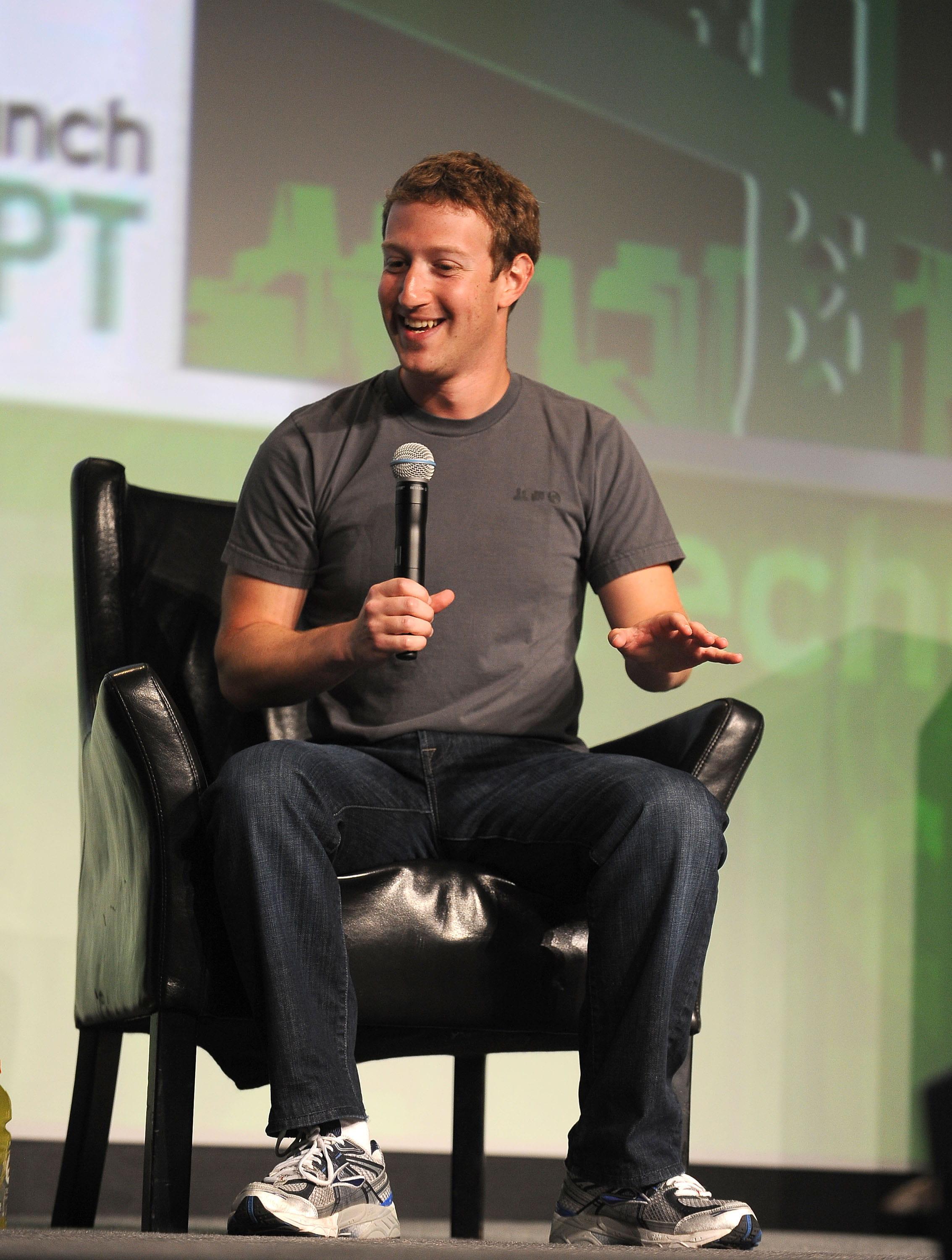
Mark Zuckerberg, meanwhile, spent years perfecting the grey T-shirt-and-jeans formula. His now-famous rotation of Brunello Cucinelli basics became a visual shorthand for Silicon Valley’s rejection of traditional corporate dressing. The message was simple: why spend time deciding what to wear when there are empires to build? Yet there was a telling exception. When Zuckerberg appeared before Congress in 2018, he traded his familiar T-shirt for a navy suit and tie. As W Magazine noted at the time, the transformation was particularly striking precisely because of how closely he had tied his public identity to his casual uniform.
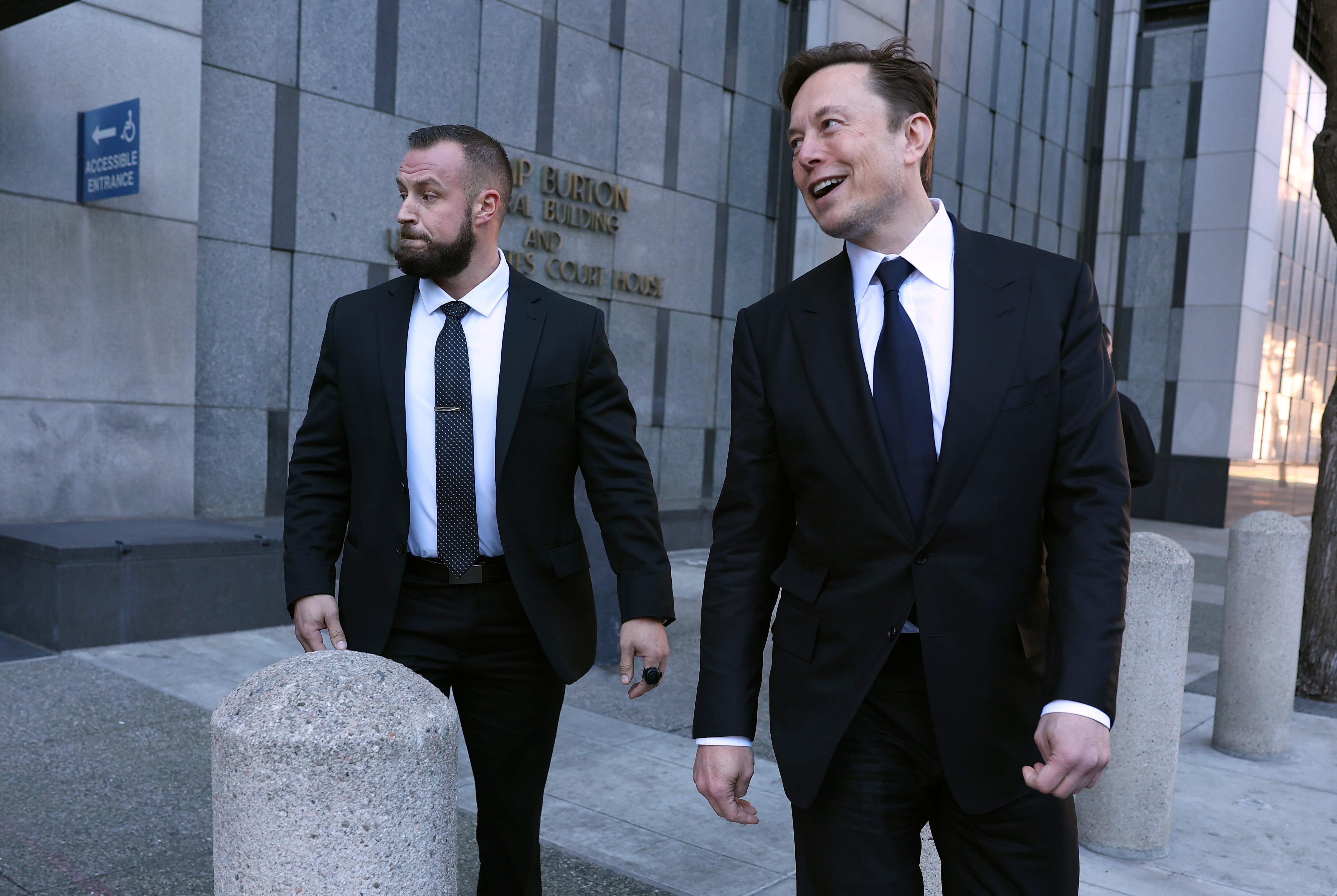
Elon Musk operates on a slightly different register. His public wardrobe gravitates toward casual black separates and sharply tailored formalwear. During the 2026 OpenAI courtroom battle, The New York Times documented Musk arriving in a black suit, white shirt and dark tie. The setting demanded a different visual language from the one he adopts at a Tesla factory or SpaceX launch. Here, the uniform was less about the disruptive entrepreneur and more about the serious litigant presenting himself before a jury.
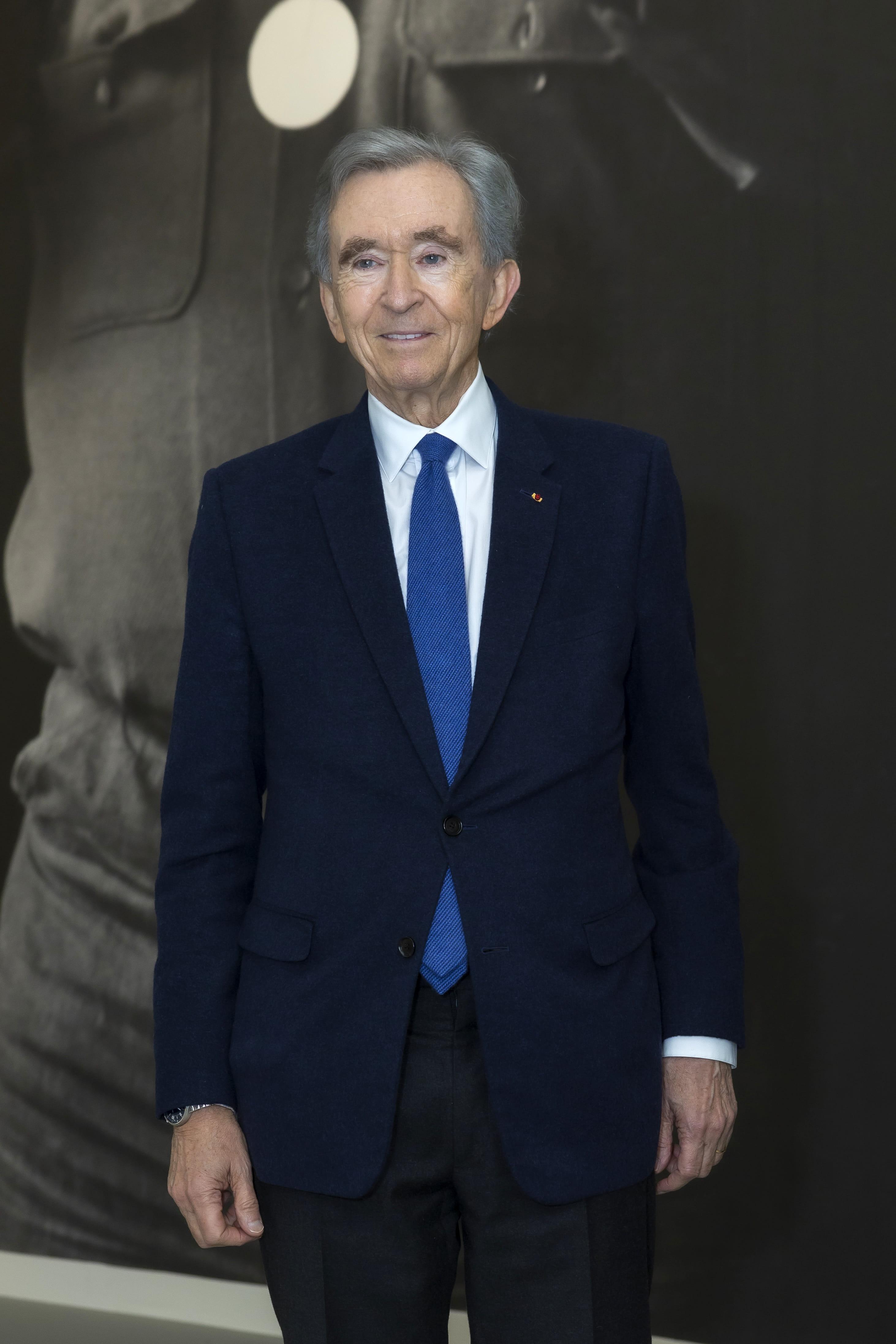
Then there is Bernard Arnault. The LVMH chairman’s preference for immaculate suits and polished formalwear sits comfortably alongside the world he presides over: one built on craftsmanship, heritage, exclusivity and the business of luxury itself. Where Silicon Valley’s founders often cultivate an appearance of having no time for fashion, Arnault’s sartorial choices suggest that appearance, much like the brands in his portfolio, is all about getting the details right.
Perhaps the most enduring example remains Steve Jobs. His black Issey Miyake turtleneck, worn with Levi's jeans, became one of the most recognisable uniforms in modern business history. According to Walter Isaacson’s biography, Jobs asked Miyake to make him around a hundred identical black turtlenecks. What began as an appreciation for the convenience of a uniform eventually became his visual signature. It was minimalism with a purpose: recognisable, repeatable and inseparable from the Apple founder’s public persona.
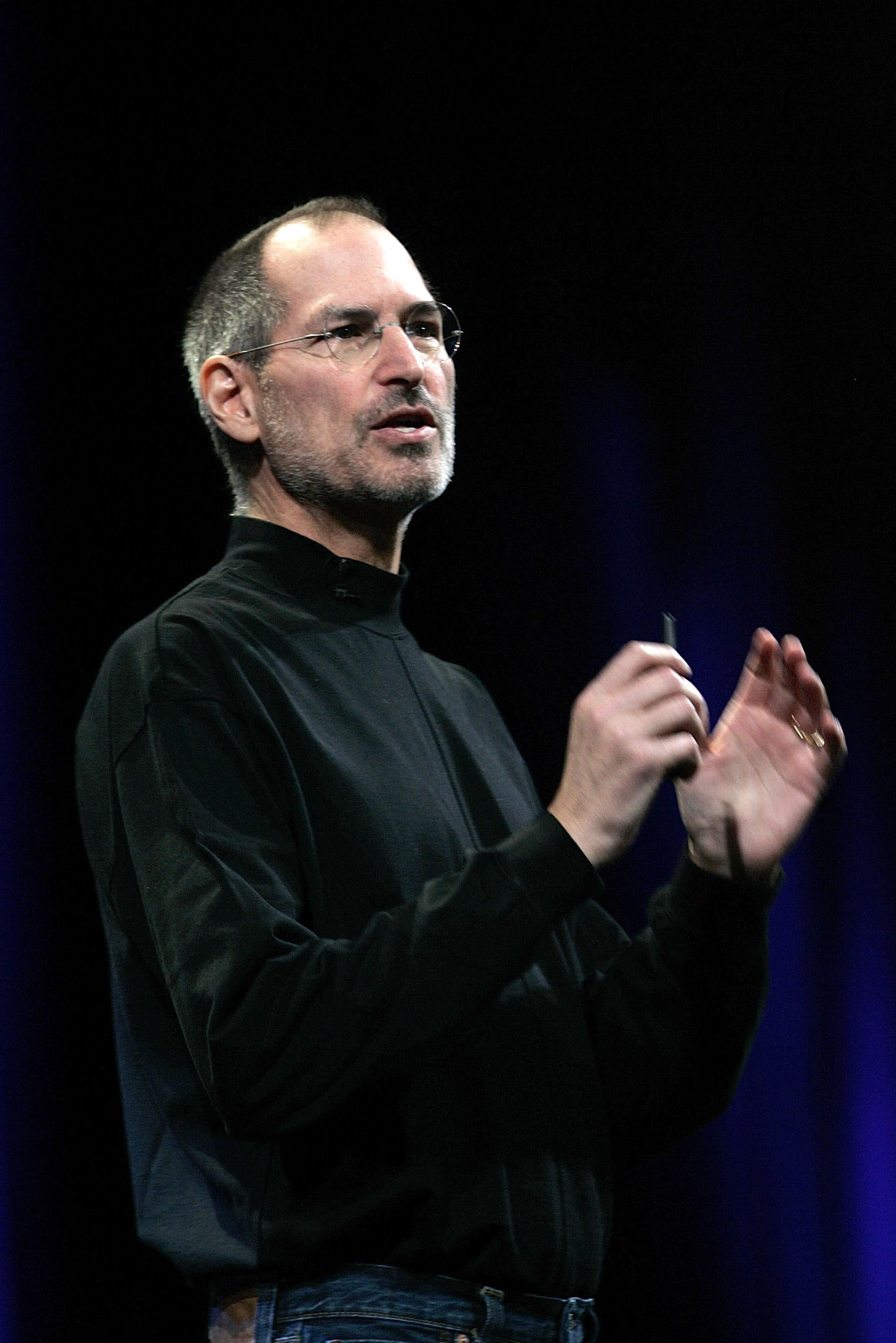
What connects these men is not necessarily their taste, but their understanding of visual consistency. A uniform creates recognition. It can make an individual seem approachable, formidable, unconventional or reassuring. And when that individual oversees a company valued in the hundreds of billions, sometimes trillions, that image carries consequences beyond personal preference.
Which brings us back to Huang. What is interesting is how much attention his change of jacket attracted. For years, the leather jacket was part of his identity, making him look like a man who did things his own way. His choice of a more understated navy Dior jacket on returning to Nvidia offered a different image: perhaps one of restraint, and a man ready to get back to business.
Fashion has always been a language of power. The difference is that its most influential practitioners today may not be sitting in government offices or walking the corridors of parliament. They are standing on conference stages, testifying in courtrooms and announcing advancement in technologies that could reshape the world. And increasingly, we are learning to read them not just by what they say, but by what they choose to wear.
(Also read: HELLO! India exclusive: Maharaja Padmanabh Singh on heritage and contemporary luxury)
Other topics
Continue Reading