- Home
- Lifestyle
Earth Day 2026: India’s most thoughtful eco-luxury escapes redefining conscious travel
This Earth Day, discover India’s leading eco-luxury stays—from Sariska to Jim Corbett—that seamlessly blend sustainability with indulgence.
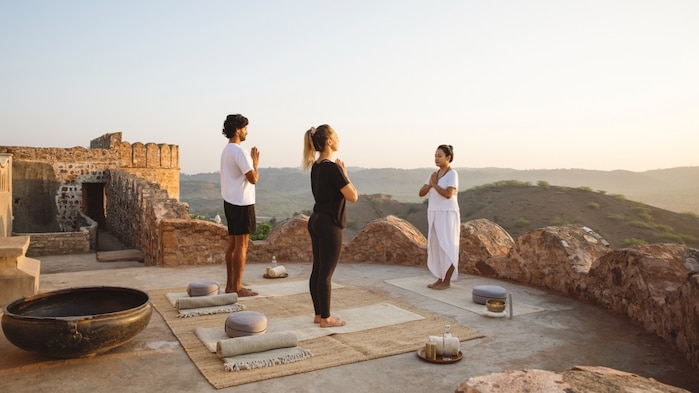

This Earth Day 2026, a new wave of hospitality underscores a powerful shift: sustainability is no longer optional, but essential. Across India, eco-conscious retreats are blending luxury with responsibility, offering immersive stays that honour nature, culture, and mindful living while setting new standards for purposeful travel.
1. Sariska Lodge, Rajasthan
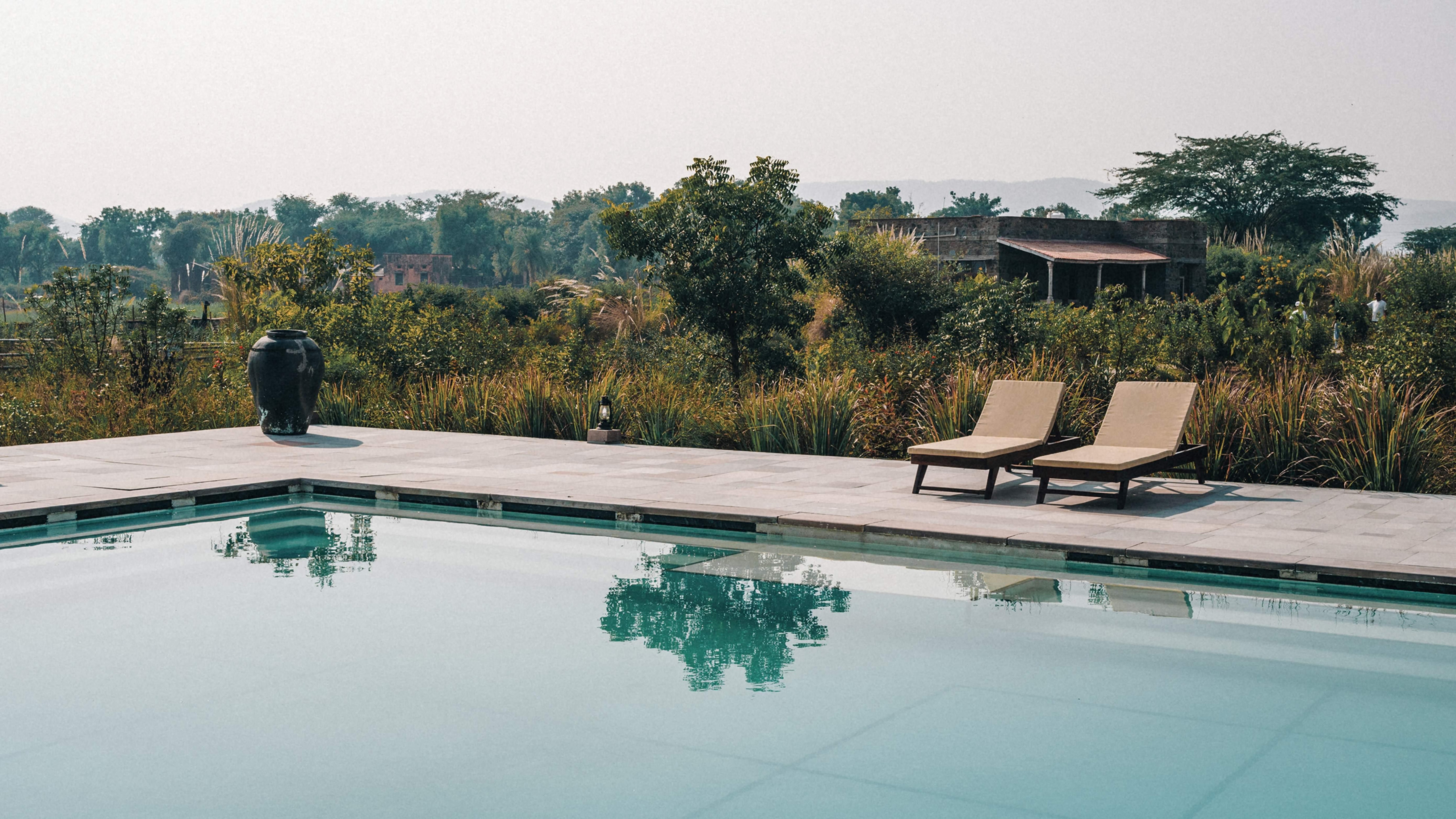
Perched on the edge of the Sariska Tiger Reserve and embraced by the Aravalli Hills, Sariska Lodge spans 15 acres of forested land. Thoughtfully developed over two and a half years, it offers uninterrupted views of the wilderness and consciously curated activities, serving as a tranquil gateway into the region’s rich biodiversity and heritage. The lodge is rooted in a powerful conservation journey, including the successful reintroduction of tigers into the region. Merging sustainable slow living with distinctive hospitality, the lodge offers thoughtful design, perceptive service, seasonal cuisine, and engaging experiences around nature, wildlife, history, wellness, and beyond.
2. voco Jim Corbett
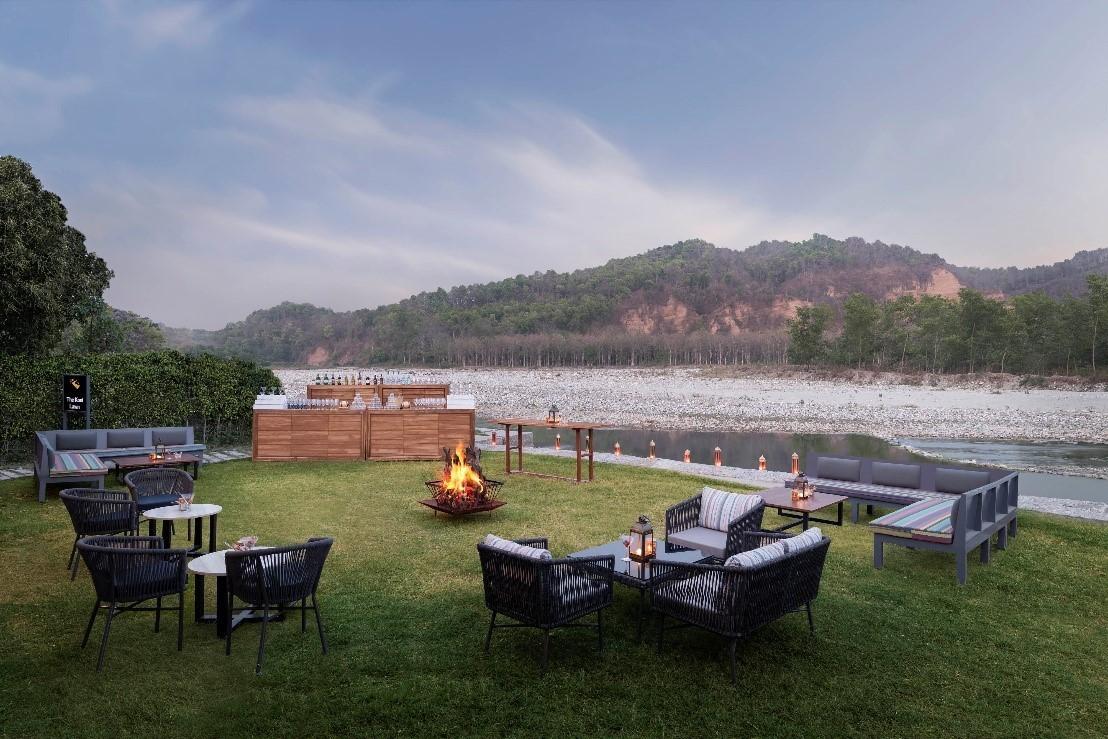
voco Jim Corbett, part of IHG Hotels & Resorts, brings a contemporary approach to sustainability through its everyday operations. In food and beverage, the hotel replaces plastic with compostable, plant-based packaging solutions like NatureFlex and PLA films, while filtered drinking water is served in reusable glassware to eliminate waste and reduce environmental impact. In-room, guests experience comfort with conscience thanks to Smartdown bedding made from recycled plastic bottles and large-format bathroom amenities from eco-conscious brands such as Antipodes and Apotheke. These small yet impactful changes come together to create a stay that is both indulgent and responsible.
3. Six Senses Fort Barwara, Rajasthan
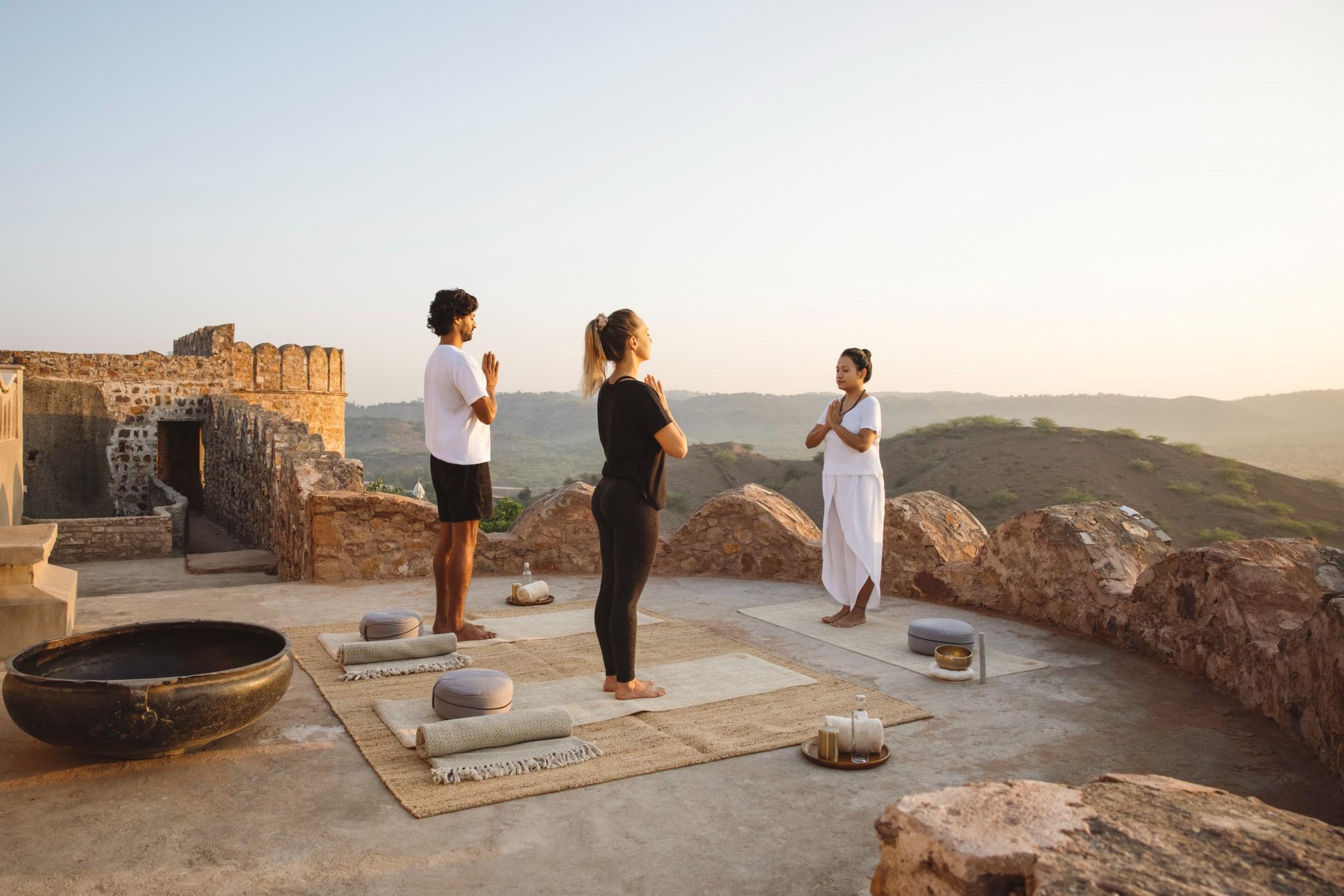
At Six Senses Fort Barwara, sustainability is deeply rooted in both philosophy and practice. Set within a 700-year-old palace, the resort has been carefully restored using traditional Rajasthani building techniques, seamlessly integrating modern eco-conscious design elements such as rainwater harvesting systems and solar energy. The property’s rewilding initiatives focus on restoring native ecosystems, while the Earth Lab invites guests to actively engage with sustainability through hands-on learning and innovation. From the Alchemy Bar where guests craft natural wellness products using garden-grown ingredients to the in-house water bottling plant that eliminates plastic use, every touchpoint reflects a commitment to mindful luxury. Organic gardens further enrich the experience, bringing the “Eat with Six Senses” philosophy to life through fresh, seasonal, and locally sourced cuisine.
4. SaffronStays Amodhini Farmstay, Hosur, Tamil Nadu

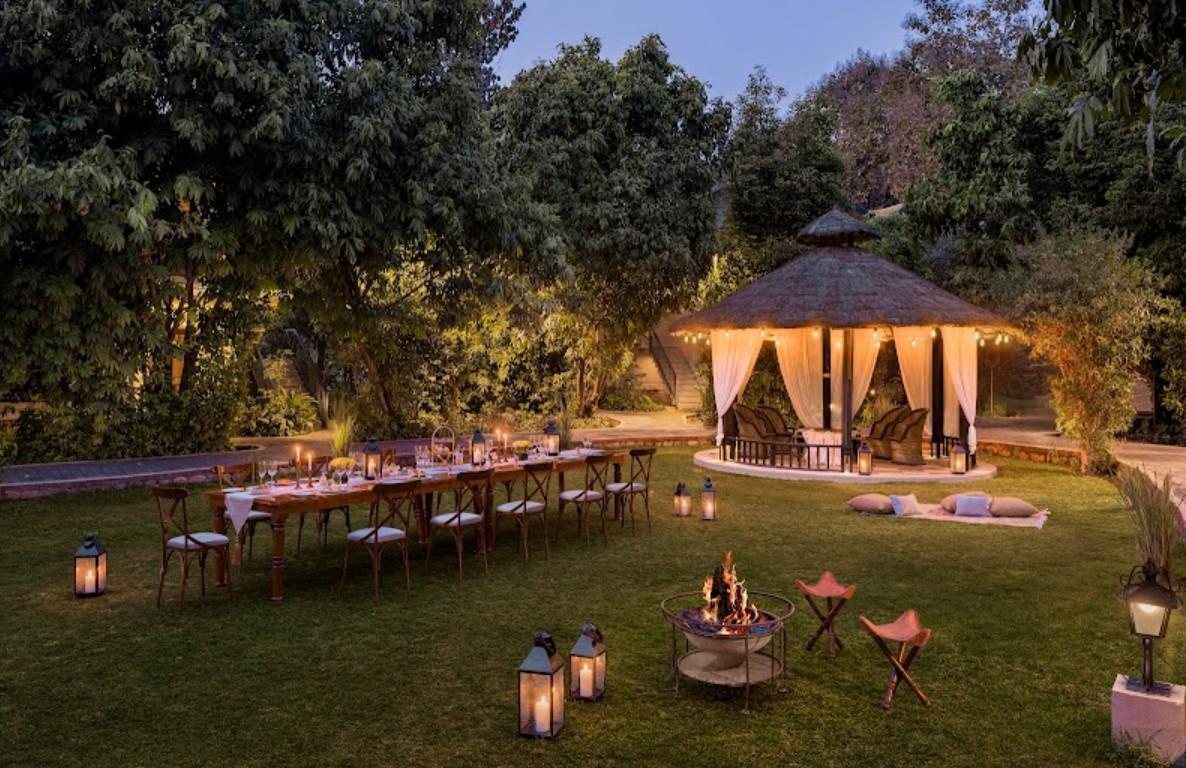
Amodhini Farmstay embraces sustainable living through its harmonious integration with nature across a sprawling 32-acre traditional estate. The use of vibrant polyhouses supports eco-friendly agriculture, promoting local flower cultivation with minimal environmental impact. Open green spaces and natural outdoor settings encourage low-impact recreation, while communal areas like the gazebo and bonfire promote mindful gatherings that connect guests with the environment. Nearby natural attractions further highlight the farmstay’s commitment to preserving and celebrating the region’s rich ecological and cultural heritage.
5. Aahana Resort & Spa, Jim Corbett
Aahana Resort & Spa, Jim Corbett is a boutique luxury retreat set across 13.5 acres of restored forest landscape, adjoining the Bijrani Zone of Jim Corbett National Park. Built on once barren land, the resort has been thoughtfully regenerated over the years into a thriving ecosystem, home to over 200 species of birds and diverse flora and fauna. Rooted in a philosophy of nature-led living, Aahana brings together conscious luxury, wellness, and warm, intuitive hospitality. The resort offers a range of accommodations, including private pool villas designed for space, privacy, and a seamless connection to the outdoors. Experiences at Aahana are shaped by its surroundings, from farm-to-fork dining using produce grown in its in-house organic gardens to immersive wellness practices, forest walks, and nature-led activities.
6. Tipai by Wildlife Luxuries, Maharashtra
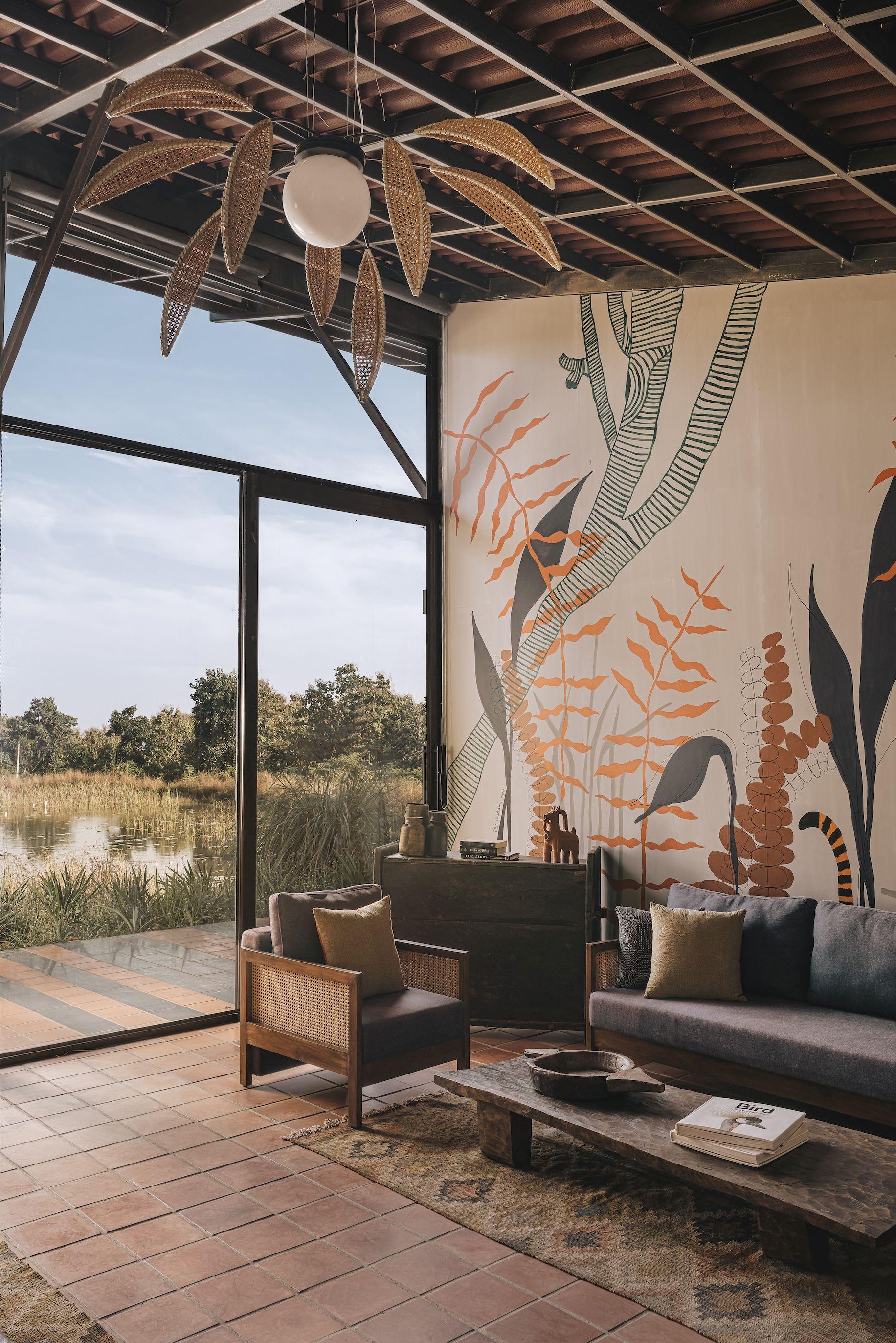
Tipai by Wildlife Luxuries is a 15-key boutique forest retreat located on the fringes of Tipeshwar Wildlife Sanctuary. Built using rammed earth, the retreat reflects a deep commitment to localisation, with every aspect, from materials and construction techniques to the people involved, intrinsically connected to its natural surroundings. At its core, Tipai’s philosophy of localisation, sustainability and personalisation shapes every aspect of the guest experience. The retreat offers an intimate, slow-paced escape, where each stay is thoughtfully tailored to individual preferences rather than fixed schedules. From its chemical-free bio pool to its regenerative landscape design, the property reflects a conscious approach to luxury that prioritises both guest wellbeing and environmental harmony.
7. The Sen, Uttarakhand
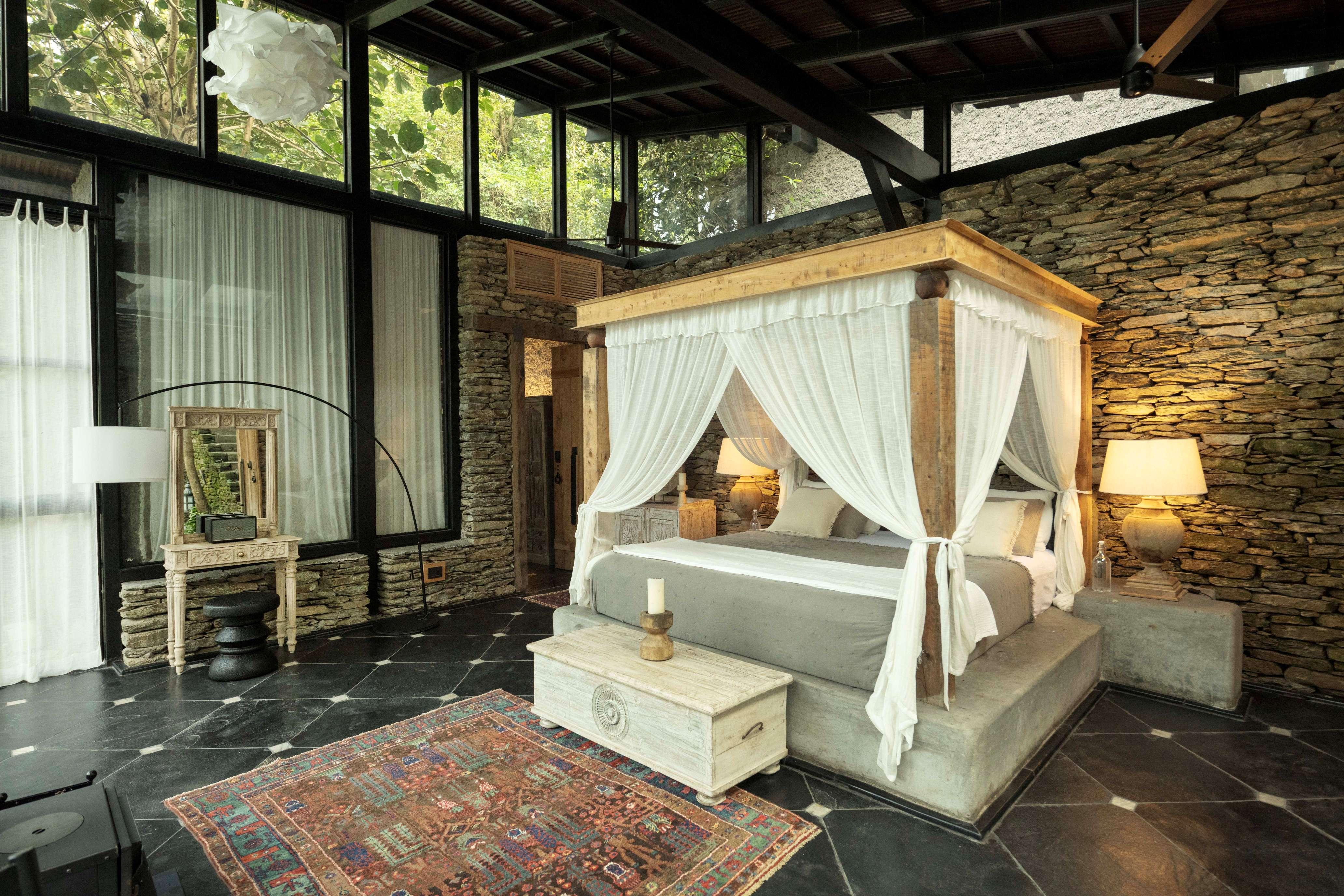
Nestled in the serene Garhwal region, The Sen is a design-forward boutique retreat that champions low-impact living through conscious architecture and minimal intervention with the landscape. Built using locally sourced materials and traditional techniques, the property reduces its carbon footprint while supporting regional craftsmanship. Its farm-to-table philosophy sources seasonal produce from nearby communities, ensuring both freshness and economic support for local farmers. With a strong focus on slow travel, The Sen encourages immersive experiences: nature walks, forest bathing, and cultural exchanges—that foster a deeper connection between guests and the fragile Himalayan ecosystem.
8. The Postcard on the Mandovi River, Goa
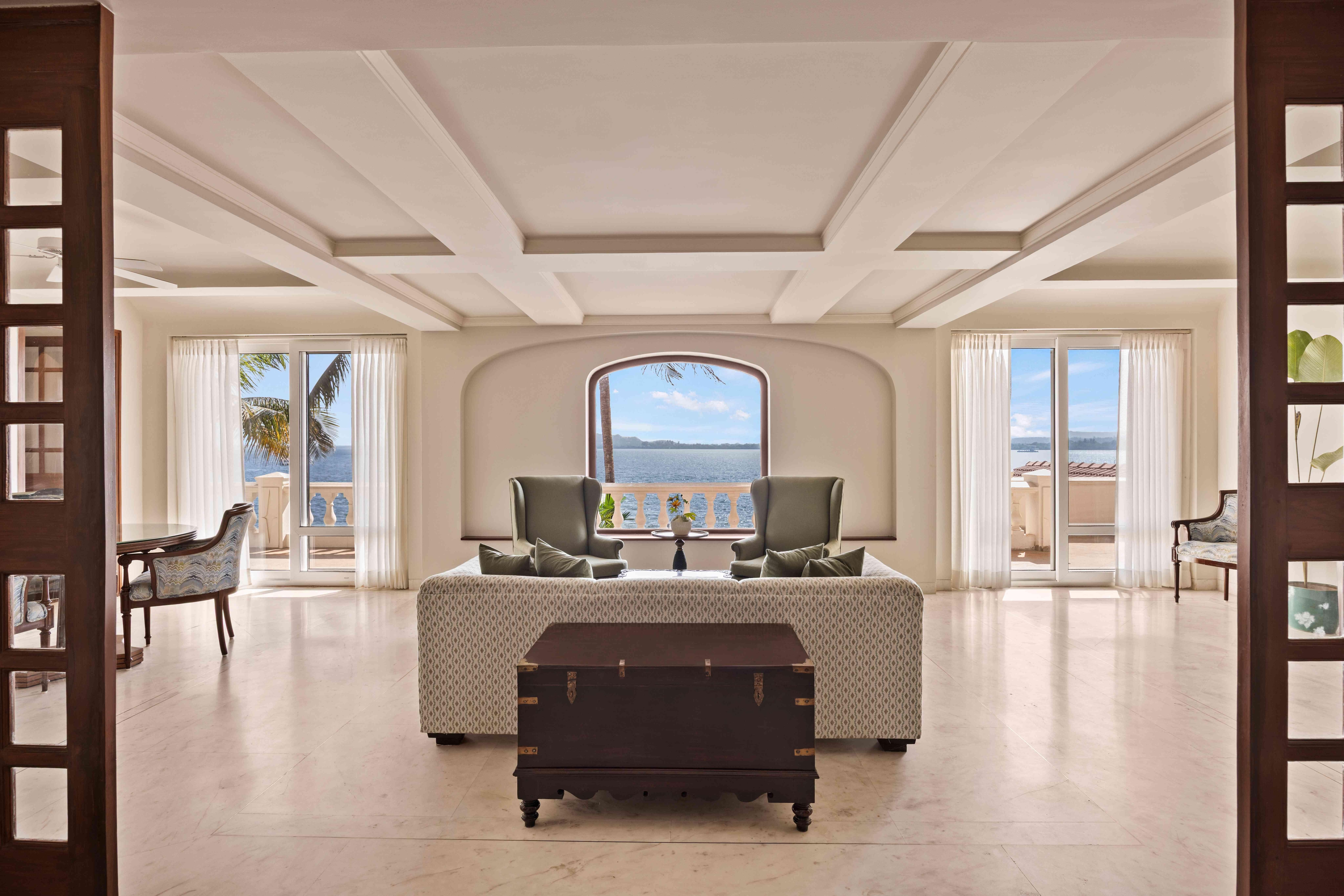
Set along the banks of the River Mandovi, The Postcard on the Mandovi River reimagines luxury through a lens of mindful hospitality. The property places strong emphasis on reducing waste and conserving resources, from eliminating single-use plastics to prioritising energy-efficient operations. Its culinary programme champions hyper-local sourcing, spotlighting Goan produce and traditional recipes while minimising food miles. By integrating its design with the surrounding landscape and offering unstructured, personalised experiences, the retreat promotes a slower, more intentional way of travelling that values authenticity, community, and environmental responsibility.
9. Anopura, Jaipur
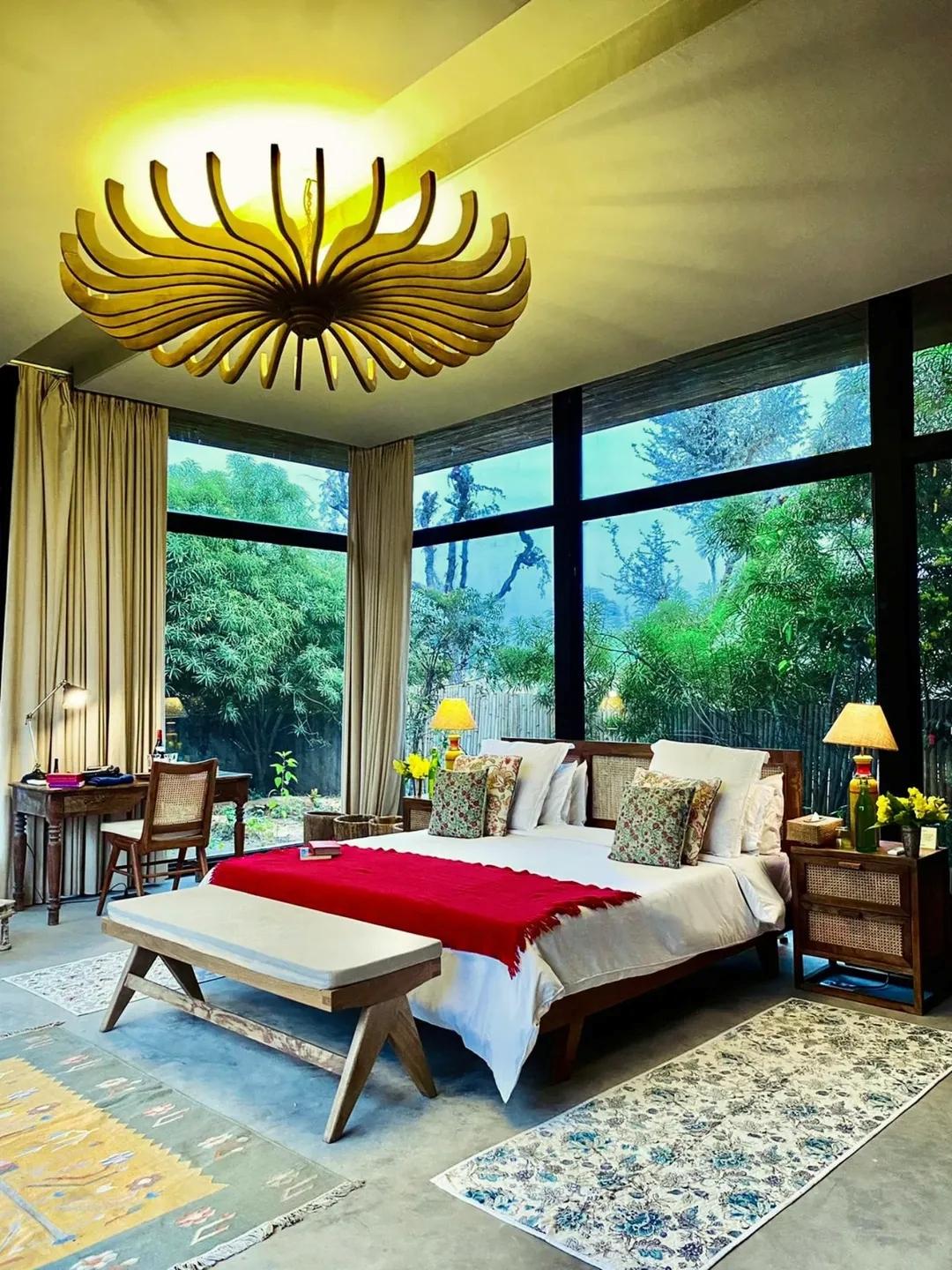
Located on the outskirts of Jaipur, Anopura is a regenerative farmstay that places sustainability at the heart of its ethos. Spread across acres of restored farmland, the property practices organic farming, rainwater harvesting, and soil regeneration techniques to nurture biodiversity and revive the land. Built using natural materials and vernacular design, Anopura minimises environmental impact while offering rustic yet refined accommodations. Its immersive experiences: from farm tours and artisanal workshops to community-led dining, celebrate local knowledge systems and encourage guests to engage with sustainability in a tangible, meaningful way.
10. Mary Budden Estate, Binsar, Uttarakhand
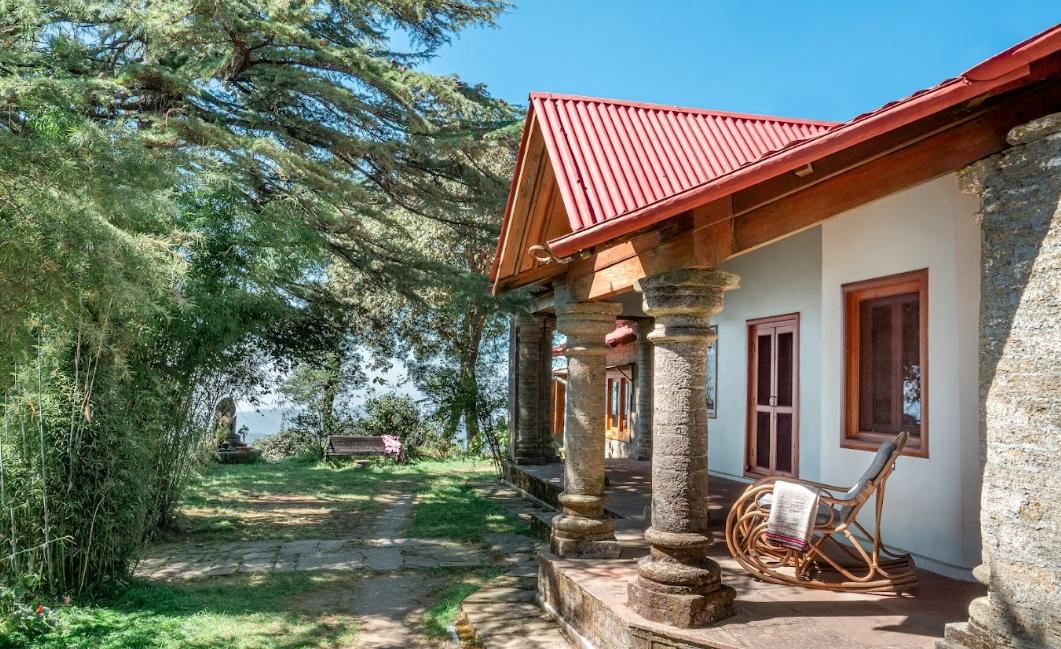
Tucked within the pristine forests of the Binsar Wildlife Sanctuary, Mary Budden Estate offers an intimate, conservation-led escape rooted in heritage and ecological sensitivity. The property champions restoration over reconstruction, preserving original structures while integrating sustainable practices. With limited keys to minimise environmental impact, the estate emphasises low-density tourism and immersive nature experiences—from guided forest walks to birdwatching within one of India’s richest biodiversity zones. Locally sourced ingredients shape its culinary philosophy, while its deep connection to the surrounding ecosystem fosters a mindful, slow-living retreat that prioritises preservation as much as indulgence.
All images courtesy of the brand or their respective PR agencies.
Continue Reading