
- Home
- Lifestyle
From ghosting anxiety to mixed signals, the hidden mental toll of modern dating
What might seem like a harmless dating ritual can become mentally draining when every interaction starts to feel like a test. Instead of enjoying a conversation, people can find themselves analysing it long after it has ended
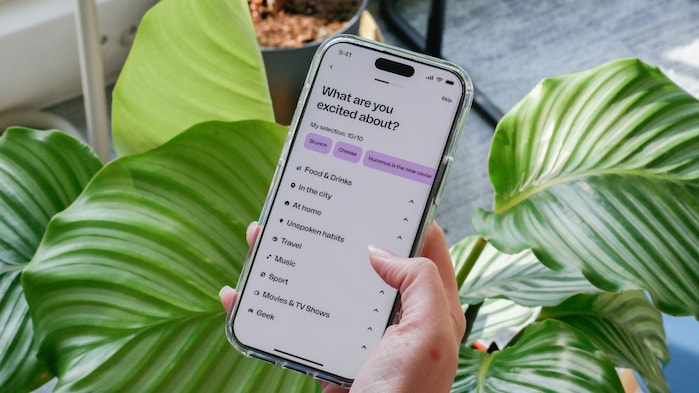

Dating today often involves as much mental negotiation as it does romance. Should you text first? Was that reply enthusiastic or simply polite? According to a survey of more than 1,000 Indian singles by dating app happn, 61% spend hours or even days replaying dating moments in their heads, while 52% feel mentally tired from interpreting romantic signals daily or multiple times a week.
(Also Read: Meaningful connection is priority for young Indians)
An exercise in second-guessing
For some, the overthinking begins before a message is even sent. Nearly half of the respondents, i.e. 47%, have deleted a message to a crush after second-guessing it. Others carefully calculate how long they should wait before replying, with nearly 40% saying they adjust their response time to match the other person's pace.
What might seem like a harmless dating ritual can become mentally draining when every interaction starts to feel like a test. A short reply, a delayed response or a change in tone can invite endless interpretation, particularly when there is little clarity about where a connection is headed. Instead of enjoying a conversation, people can find themselves analysing it long after it has ended.
The cost of clarity
Uncertainty can be particularly difficult when people are invested in a connection but do not know whether the feeling is mutual. Nearly half of those surveyed, i.e. 48%, say they frequently or constantly worry about being ghosted. For some, that fear shapes how they approach relationships even before anything has gone wrong.
Among respondents who adopt defensive behaviours because of ghosting concerns, 39% hold back genuine feelings or compliments, 33% text less or act distant, and 24% say the fear has led them to end a connection early. In trying to avoid rejection, people may end up withholding the very openness that helps relationships develop. This can create an emotional loop: uncertainty leads to anxiety, anxiety encourages guarded behaviour, and guarded behaviour makes it harder to understand what the other person really feels.
Around one-third of Indian singles said they sometimes share screenshots of chats or profiles with friends for advice. For some, the group chat becomes an informal panel of experts, examining every word, emoji and punctuation mark. Seeking reassurance from trusted friends can be helpful, especially when someone needs a perspective beyond their own. But repeatedly analysing the same interaction can sometimes keep uncertainty alive rather than resolve it. A friend can offer an interpretation, but they cannot know what another person intended unless that person communicates it.
(Also Read: Simple ways to live more intentionally)
Taking a break without giving up on connection
The mental strain appears to be significant enough for some people to reconsider their approach to dating. Nearly 59% of respondents said they had either taken a break from dating to reduce mental fatigue or considered doing so. That might mean spending less time checking for replies, resisting the urge to interpret every online interaction, or being more intentional about the people and situations one invests in. It can also mean recognising when dating has begun to overshadow other parts of life, from friendships and hobbies to rest and personal goals.
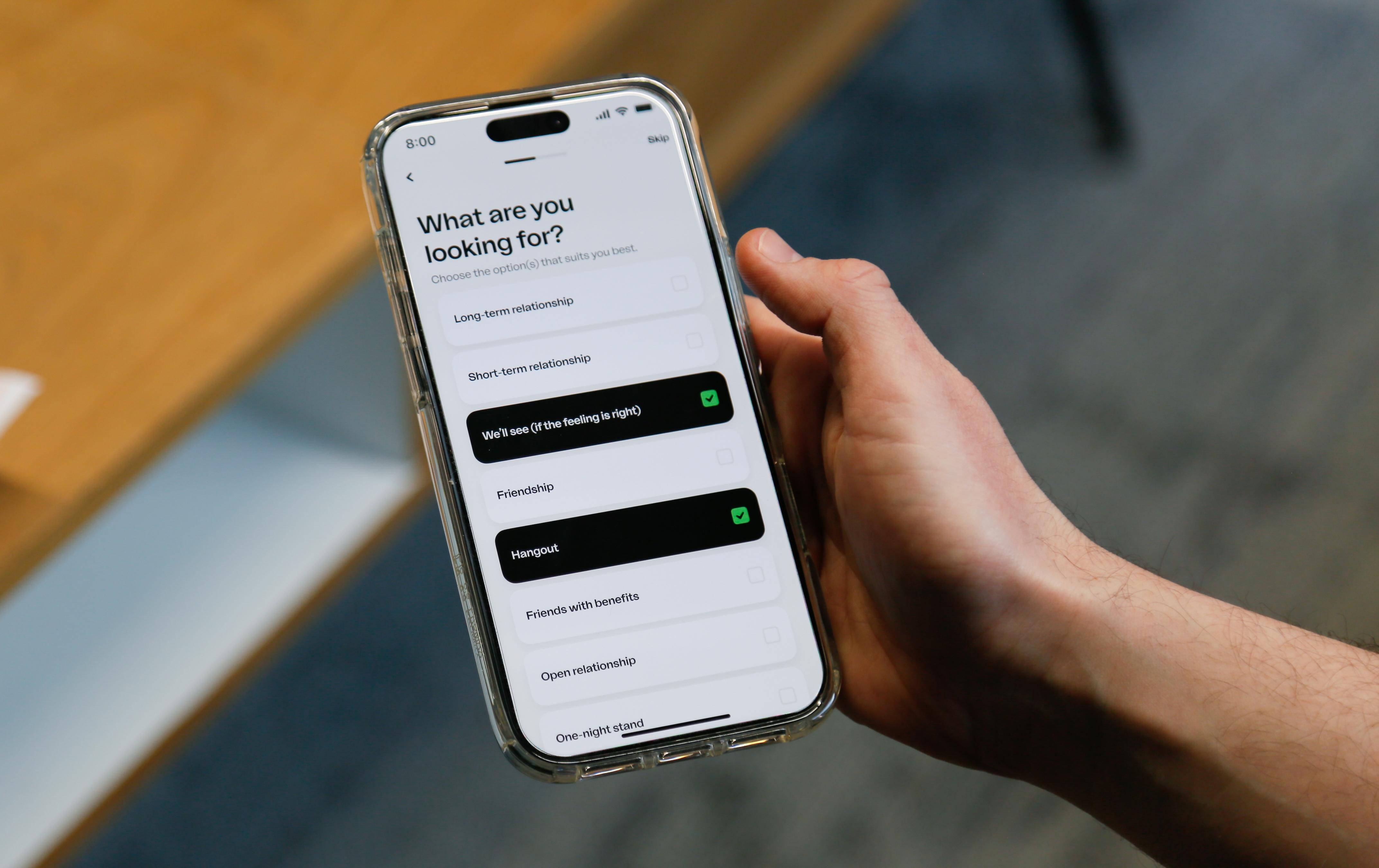
When asked what would make dating feel easier, 36% of Indian singles said they wanted more direct and transparent communication, while 31% wanted clearer intentions on dating profiles. Another 17% felt that slower responses should be normalised without automatically being interpreted as disinterest. These preferences point towards a simple shift: making room for honesty rather than relying on unspoken rules. Asking what someone is looking for, expressing interest without treating it as a game, and communicating when expectations differ can help reduce the pressure to decode every interaction. It cannot eliminate rejection or uncertainty, both of which are part of relationships, but it can make the process more straightforward.
Ultimately, healthy dating is not about never feeling anxious or analysing a conversation after a promising date. It is about recognising when reflection turns into rumination, and when the pursuit of certainty begins to take away from the experience itself.
(Also Read: Gen Z slang defining internet culture in 2026 so far)
Other topics
Continue Reading