- Home
- Lifestyle
HELLO! India Exclusive: How immersive experiences are rewriting the code of luxury
The product is no longer the end — it’s the beginning of an experience that stays with you long after you leave a store, observe an exhibit, or complete a meal. Tastemakers from across industries share how discerning consumers are revisiting the concept of luxury
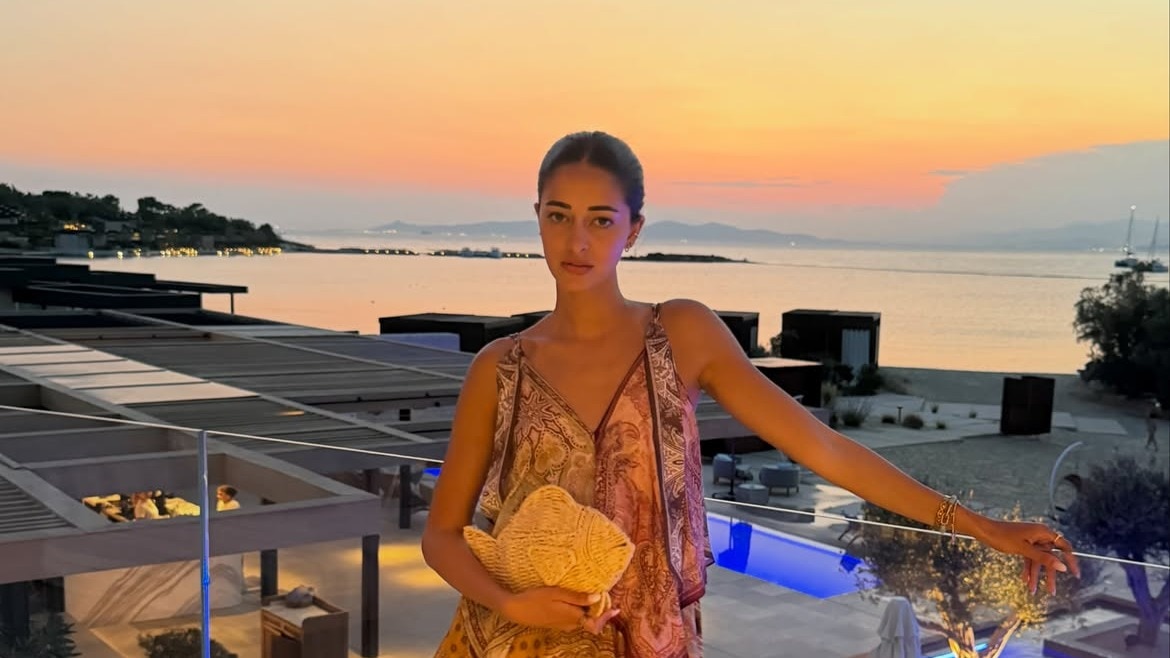
Actor Ishaan Khatter had once shared in an interview with HELLO!: “A rainy hill station, a meaningful conversation over filter coffee, peace of mind, great food, nice people around, and wonderful experiences… These are the kind of luxuries I prefer to indulge in.”
With this, he summarised the quiet revolution underway in the world of luxury — one that isn’t dictated by a product or currency but by experiences. Today, high-end brands are tapping into this shift, where emotion is the recalibrated engine behind the luxury economy, establishing voices that resonate, and products equated with discerning taste. The numbers reflect this change. A recent survey has found that two in five high-net-worth individuals (39 per cent) say a better in-store environment or elevated service would encourage them to spend more on luxury fashion brands. This overhaul doesn’t dismiss product value. Rather, it signals a growing appetite for how the product is packaged to sell — a transition that’s made inroads beyond fashion, into the worlds of hospitality, retail, F&B, and wellness.
Take, for instance, a restaurant in the Himalayas, where the brand architecture is built around evoking a sense of awe and the currency of luxury is “time, silence, and access to rare ingredients.” A retail space that draws customers in through the neuroscience of scent. And a craft chocolate house that’s transforming consumption into a “sensory, emotional, and intellectual” journey...
BUILDING A NEW WORLD
Renowned architect and spatial designer Raseel Gujral Ansal rejects the idea of “product-led luxury” altogether. For her, the experience has always come first. Hence was born Arzaani Atelier in Delhi, her brand store that eschews the idea of a transactional platform for an extension of the universe it seeks to create. “Everything here tells the story together,” she says, describing how fragrance, sound, lighting, the colours of the walls, and spatial rhythm change with each exhibition. “A product could once be sold in a minimal environment, but today, it requires a lot more packaging around it to make it compelling.”
Raseel conceives every exhibition as a distinct world. For Gujarat Within — a personal showcase honouring her father, artist Satish Gujral, during his centenary — the space was layered with dry leather notes, recordings of his voice interspersed with the sound of a heartbeat, and dramatic lighting. “A lot of people who know my father said they could almost feel like he was in the other room,” she recalls.
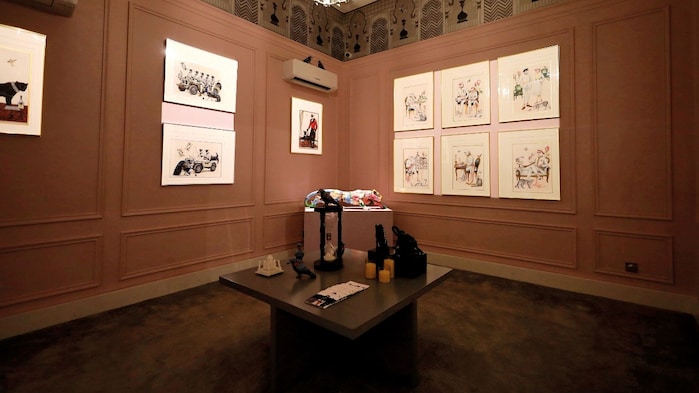
In contrast, for Dakshin | Dilli: A Sacred Dialogue — inspired by Tanjore art, glass paintings, and traditional craft — pale terracotta walls replaced darker tones, the scent of sandalwood permeated the air, and a contemporised Vedic chant underscored the mood.
SELLING CULTURE, CREATING COMMUNITY
Defying the idea of enabling a purchase alone, what if a store was built around the inherent culture of the product? Gully Labs, co-founded by Arjun Singh and Animesh Mishra, has built its flagship in Delhi around exactly that idea. While the shoes anchor heritage, a storyline, and a creatively packaged marketing concept, the store offers a lot more.
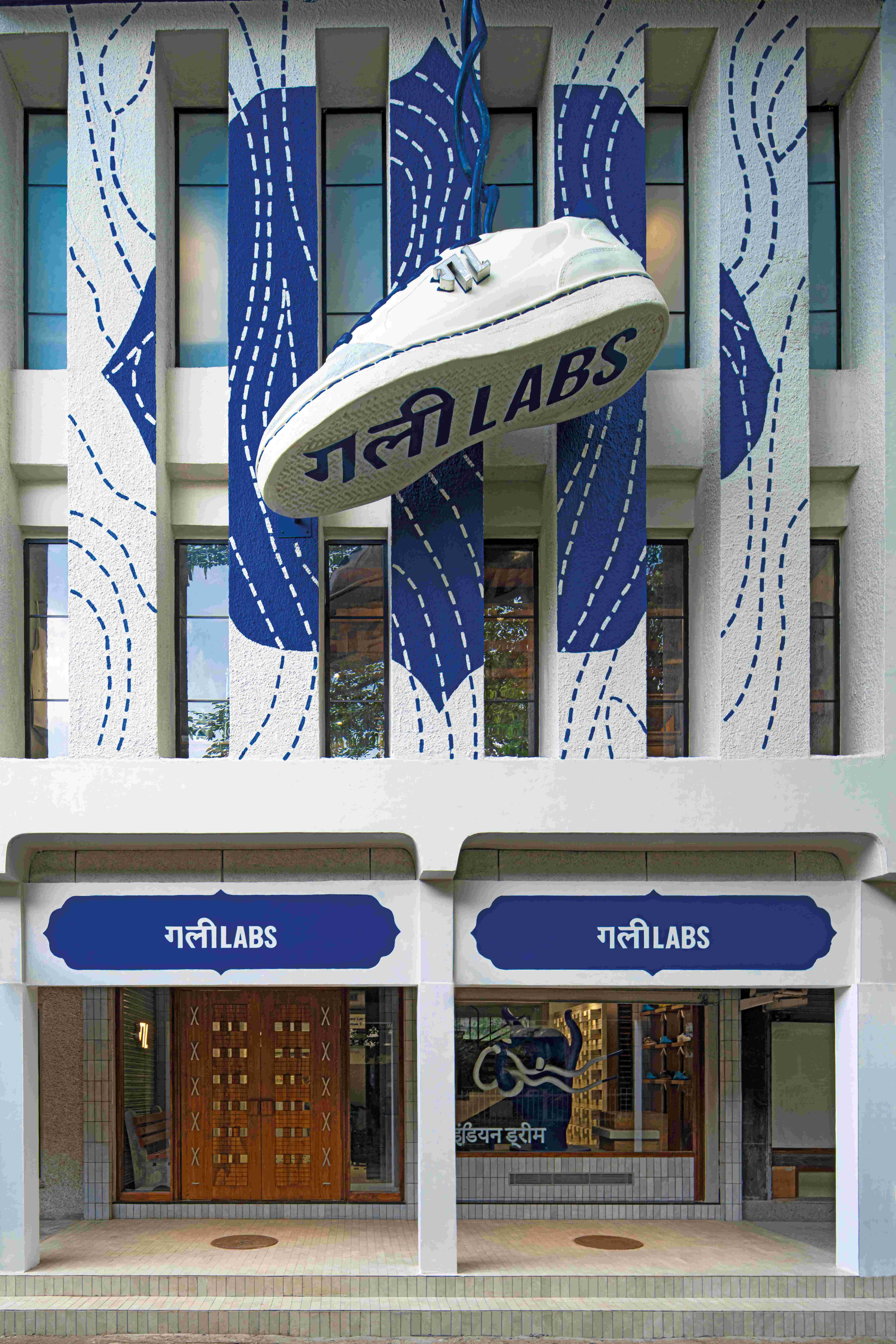
Curated as a third space — somewhere between home and work — the store provides a platform for various subcultures to exist within. Comprising a Karigar’s Lab, a customisation zone, an experiential mini café corner with Subko, and a Baithak that hosts people for concerts, screenings, open mics, and other exercises that spark creativity, a purchase at Gully Labs is often the byproduct of the overall experience.
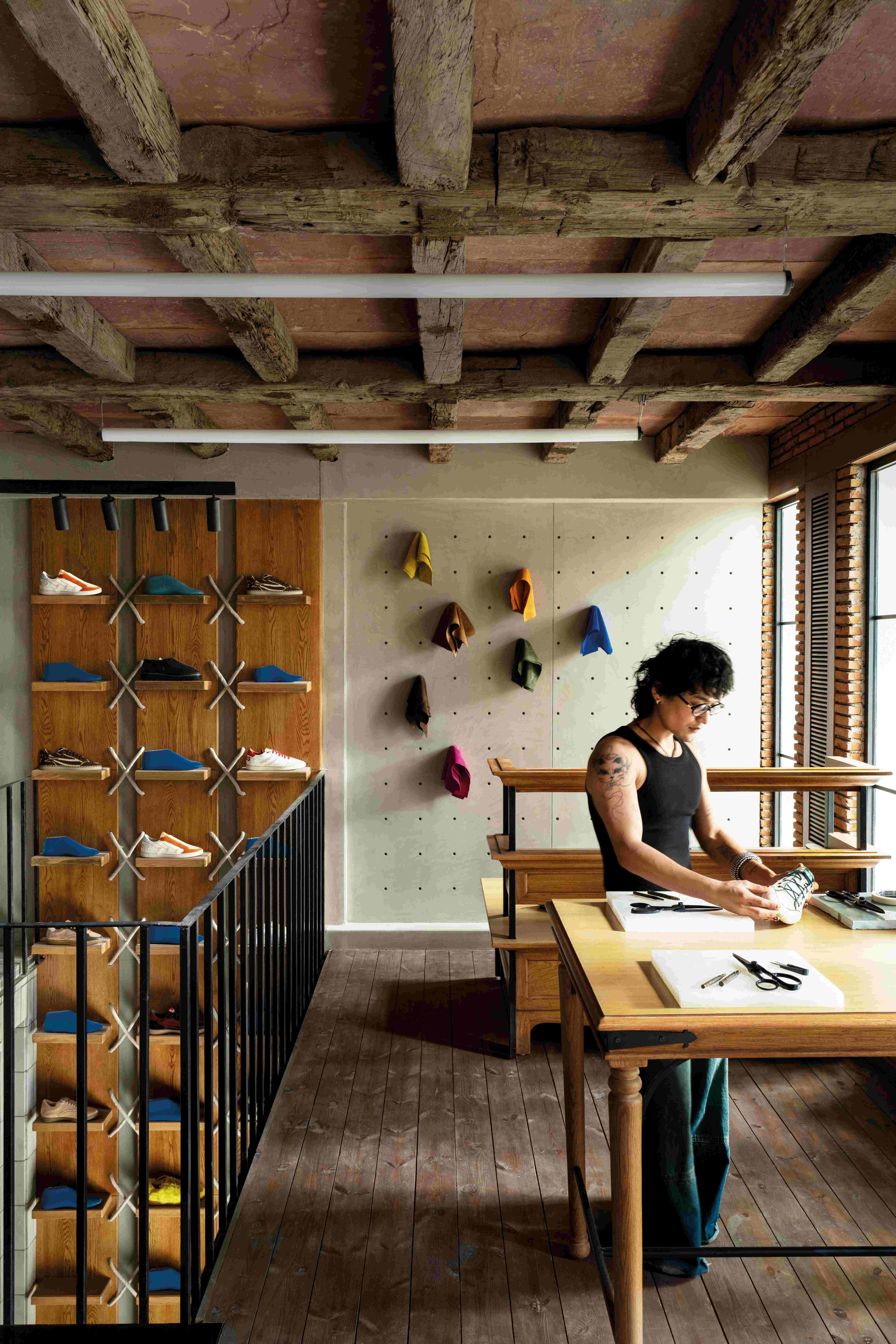
Since they opened in September 2025, the brand has hosted a mix of events, including collaborations with various desi hip-hop artistes — for both performances and collaborative shoe launches — and other artistes like singer-songwriter Raman Negi. The space has been attracting discerning audiences who actively interact with the larger ideologies they foster.
EMOTIONAL ARCHITECTURE
Couturier Sabyasachi Mukherjee’s stores — be it his South Mumbai boutique or New York address — were conceptualised with a similar philosophy of curating a living cultural universe. It’s less of a store and more of a “living museum,” layered with chandeliers, rare books, Tanjore paintings, Mughal miniatures, silk velvet drapes, aromas of rose and frankincense, and hidden lounges — his “sanctuaries of slow luxury” that invite customers to linger, wander, and feel things for themselves.
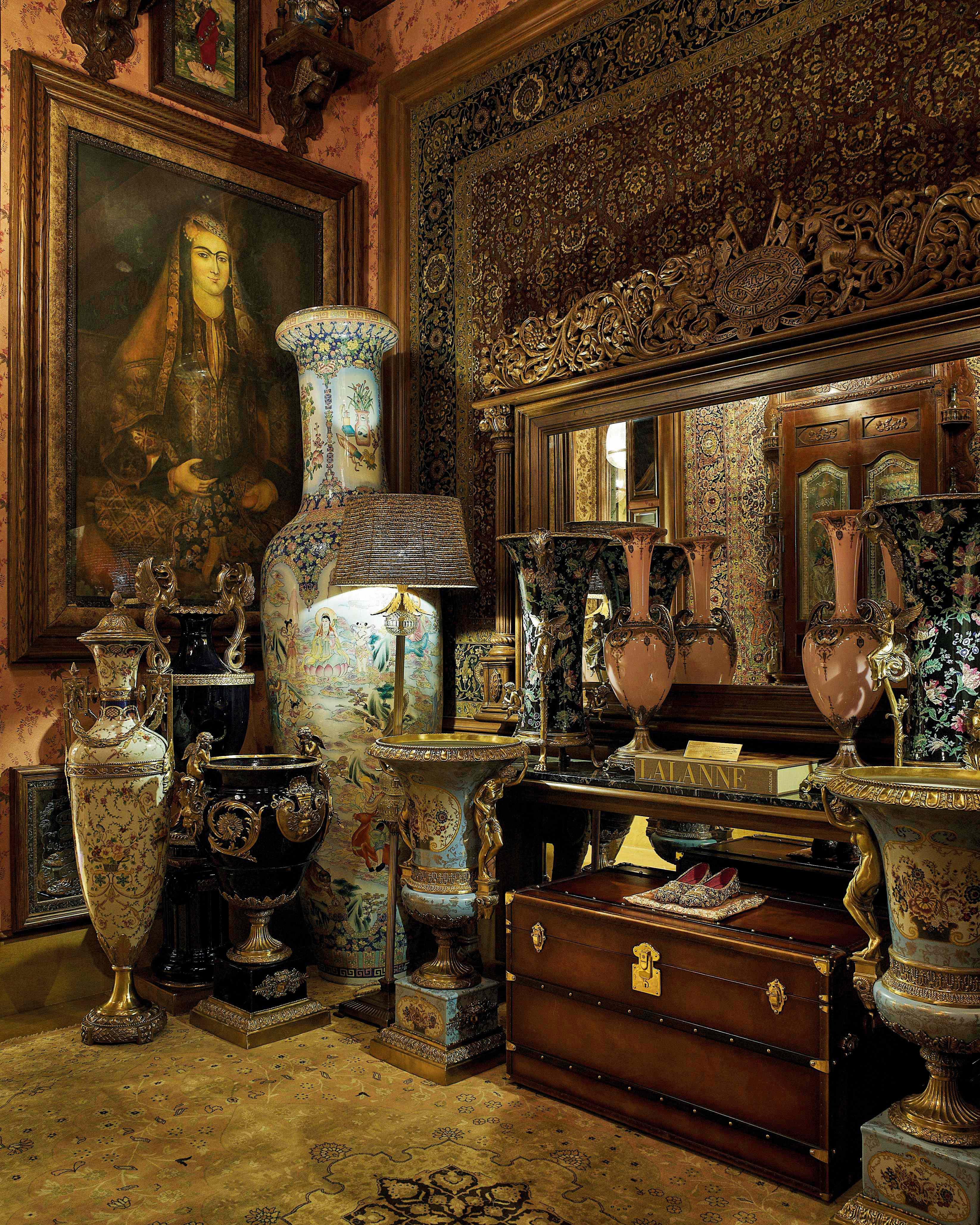
Unlike Raseel, who rebuilds her world with every project, Sabyasachi constructs ones that endure with his signature maximal touch. Yet, both cultivate the idea of a space that’s inseparable from the idea of the brand.
THE ORIGIN STORY
When it comes to hospitality, the modern consumer hopes to feel like an active participant in the brand’s world. For this, it’s not merely the name they’re drawn to, but the overarching process, people, and craft involved. In this new ecosystem, knowledge itself is a form of aspiration, while curiosity is the core attraction. This approach finds strong expression at Manam Chocolate’s outposts in Delhi, Hyderabad, and Mumbai, where Founder and CEO Chaitanya Muppala has replaced chocolate from merely “an indulgence to an active, multi-sensory craft experience.” From guided tastings and live chocolate-making sessions to QR-code-enabled traceability that allows customers to delve into the origin of each bar, Manam offers an array of touchpoints that allow people to see, touch, taste, and engage with their hero product, cacao.
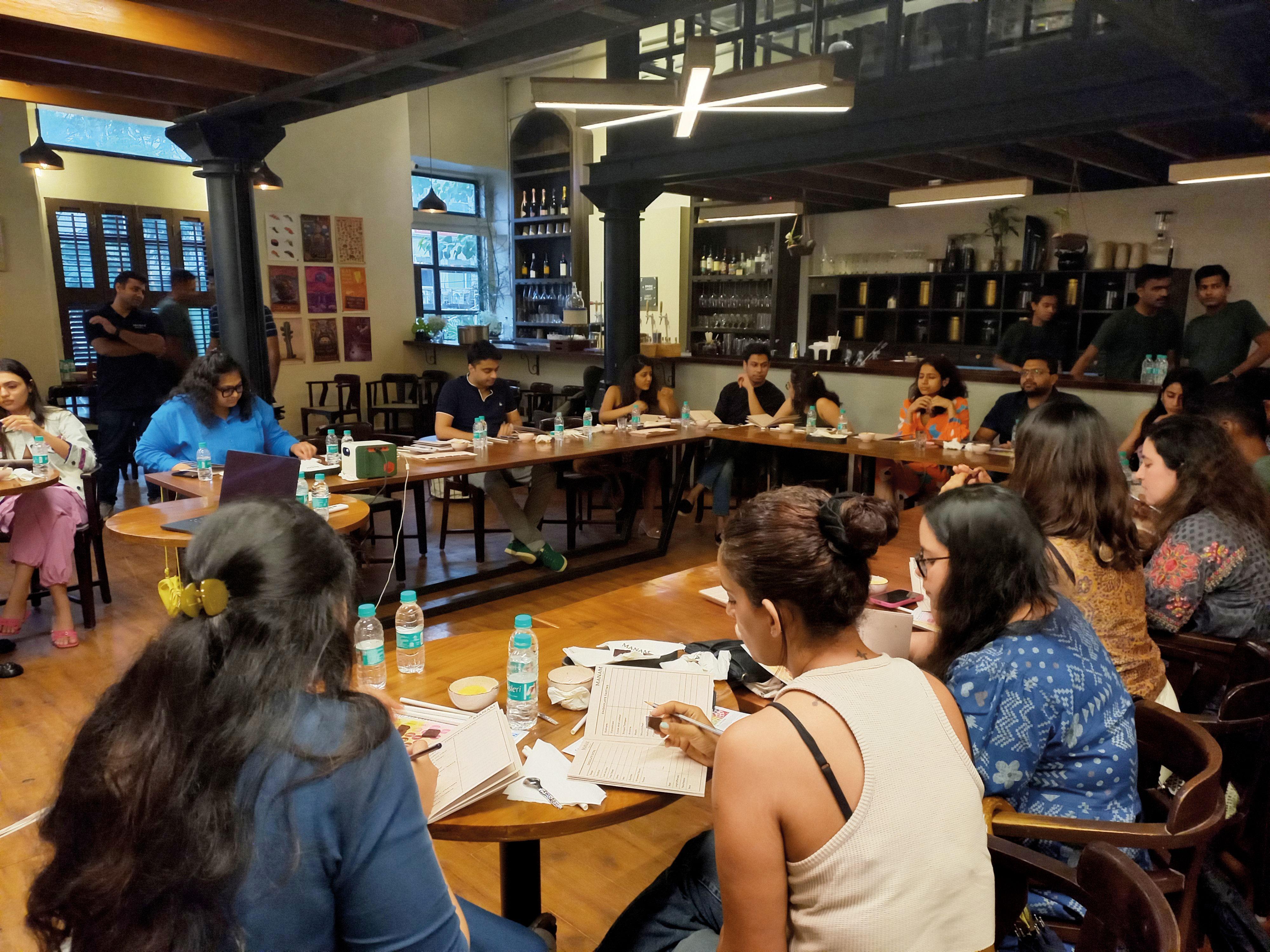
Evidently, luxury isn’t just about premiumisation to them, but the rarity of experience, depth of knowledge, and emotional connection. “Before the bean and beyond the bar” is their driving motto, helping them build a larger ecosystem around terroir, craftsmanship, and science by “working directly with cacao farmers and shaping flavour at the source” — aspects of the Manam experience the consumer perceives as experiential luxury.
WHERE THE TABLE IS THE DESTINATION
Breaking the traditional codes of luxury that sold convenience and immediacy, destination-led experiences are changing the game. Enter Naar — award-winning chef Prateek Sadhu’s brainchild in Darwa, near Kasauli in Himachal Pradesh.
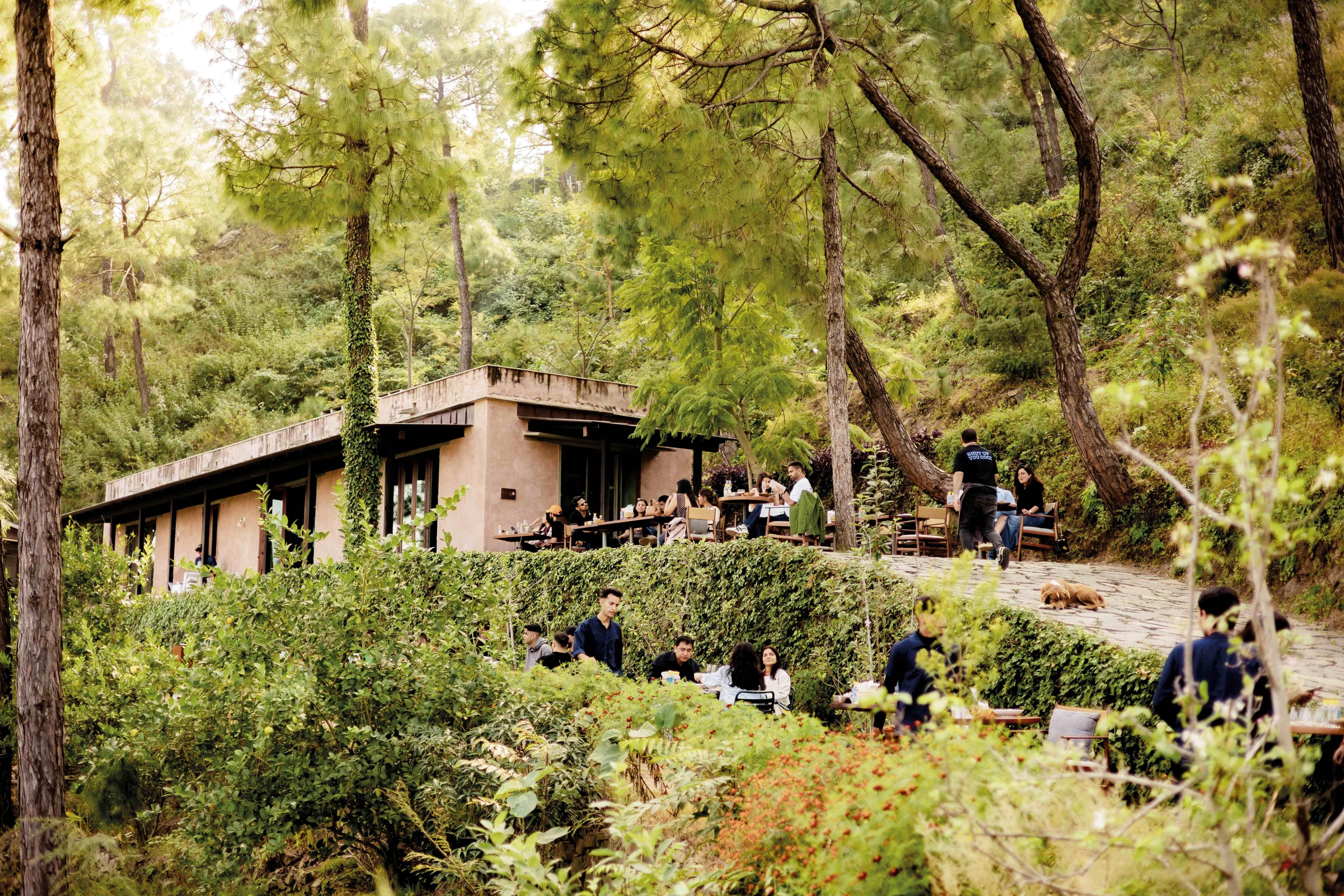
Accessible only through scenic, winding mountain roads — an experience in itself — this 16-seater is one of India’s first destination dining concepts that packages luxury through seasonality. For Prateek, it was a conscious decision to distance his restaurant from the urban crowd he attracted at his earlier post at Masque, Mumbai. One can’t stumble upon Naar; enjoying the experience needs to be their deliberate choice. “People today don’t simply want to consume; they want to feel where they are,” Prateek stresses, describing what a truly immersive experience really is.
“It begins with the journey through the mountains, followed by the unhurried pace of the meal, the menu, the storytelling, and the service that quietly folds you into our world. By the time the meal ends, you haven’t just eaten; you’ve been somewhere.”
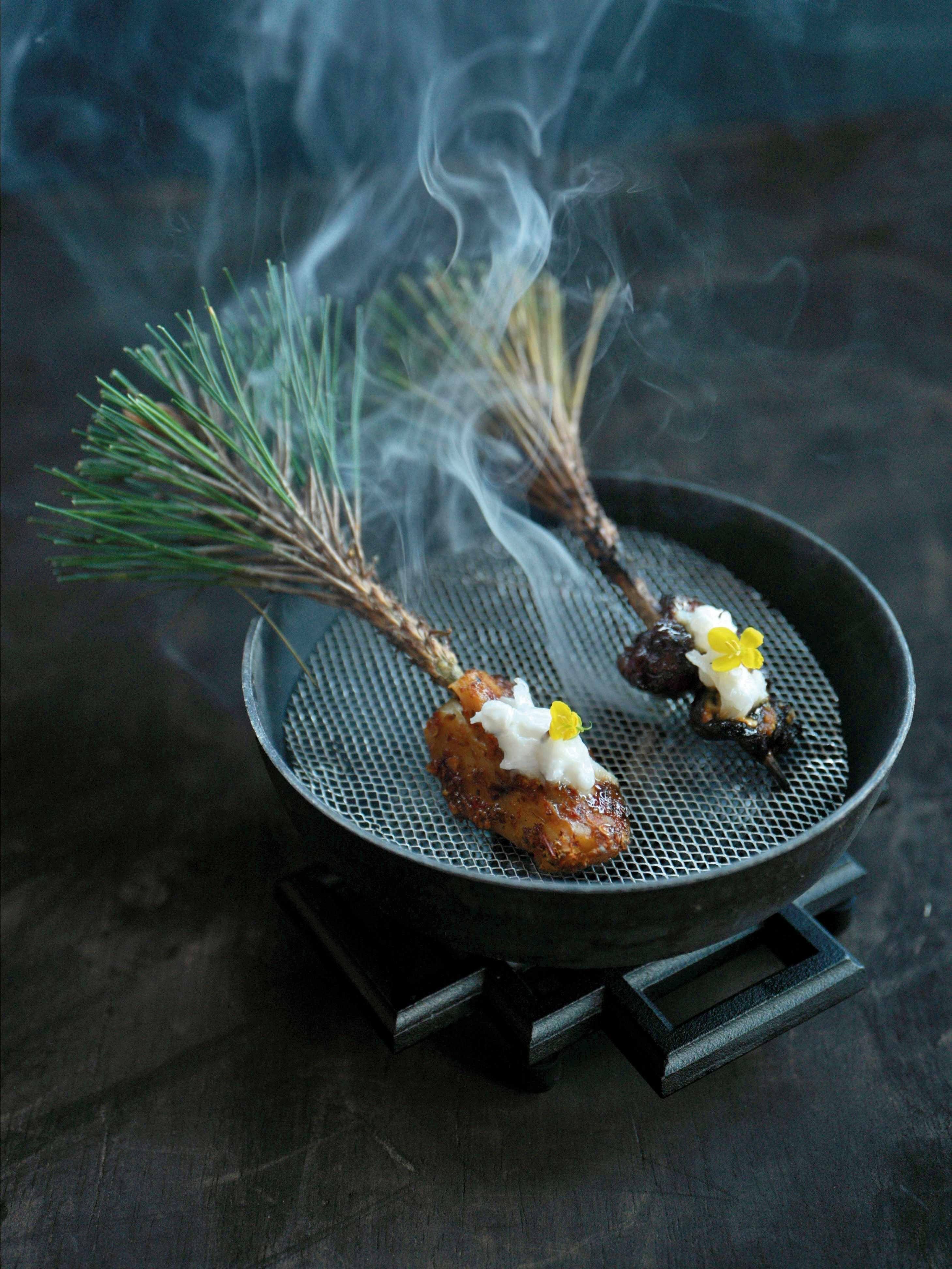
The menu is planned around the six seasons of the Himalayan belt — spring, summer, monsoon, autumn, pre-winter, and winter — renewed every two months as the larder changes with the land. No two meals are identical, which means a patron can always be expected to return, driven by genuine discovery. “What we offer reflects what the mountains allow at that moment. It makes every visit slightly different, and that unpredictability is what keeps it alive… They return because of how the food made them feel. The philosophy earns curiosity; the product earns loyalty.”
In many ways, Naar stands parallel to Manam, and Arzaani to Sabyasachi. One makes provenance palpable, the other turns geography tangible. One creates a sensory experience with every exhibit, the other presents the luxuries of India in their truest forms. All in all, they underscore the changing perception of luxury today — that the product is only the beginning of an immersive, interesting journey, that India’s discerning clientele is relegating excess for experience.
Continue Reading