- Home
- Lifestyle
The latest Pirelli Calendar edition finds a soul that's made in India
For more than six decades, the Pirelli Calendar has defined the language of fashion photography. Today, it rewrites that language through an Indian lens.

Since its debut in 1964, the Pirelli Calendar, also known as The Cal, has transcended its origins as a corporate commission to become one of photography's most influential canvases—one that has hosted the visions of Richard Avedon, Annie Leibovitz, Peter Lindbergh, Herb Ritts and Steve McCurry. To be invited into its legacy is to become part of visual history.
Its 2027 edition marks a turning point unlike any before it.
For the first time, the calendar is shot entirely in India with an all-Indian cast, positioning the country not merely as an exotic backdrop but as the very heart of the narrative. At a time when global luxury is looking beyond token representation towards authentic storytelling, Pirelli's India-first edition feels less like a trend and more like a cultural correction.
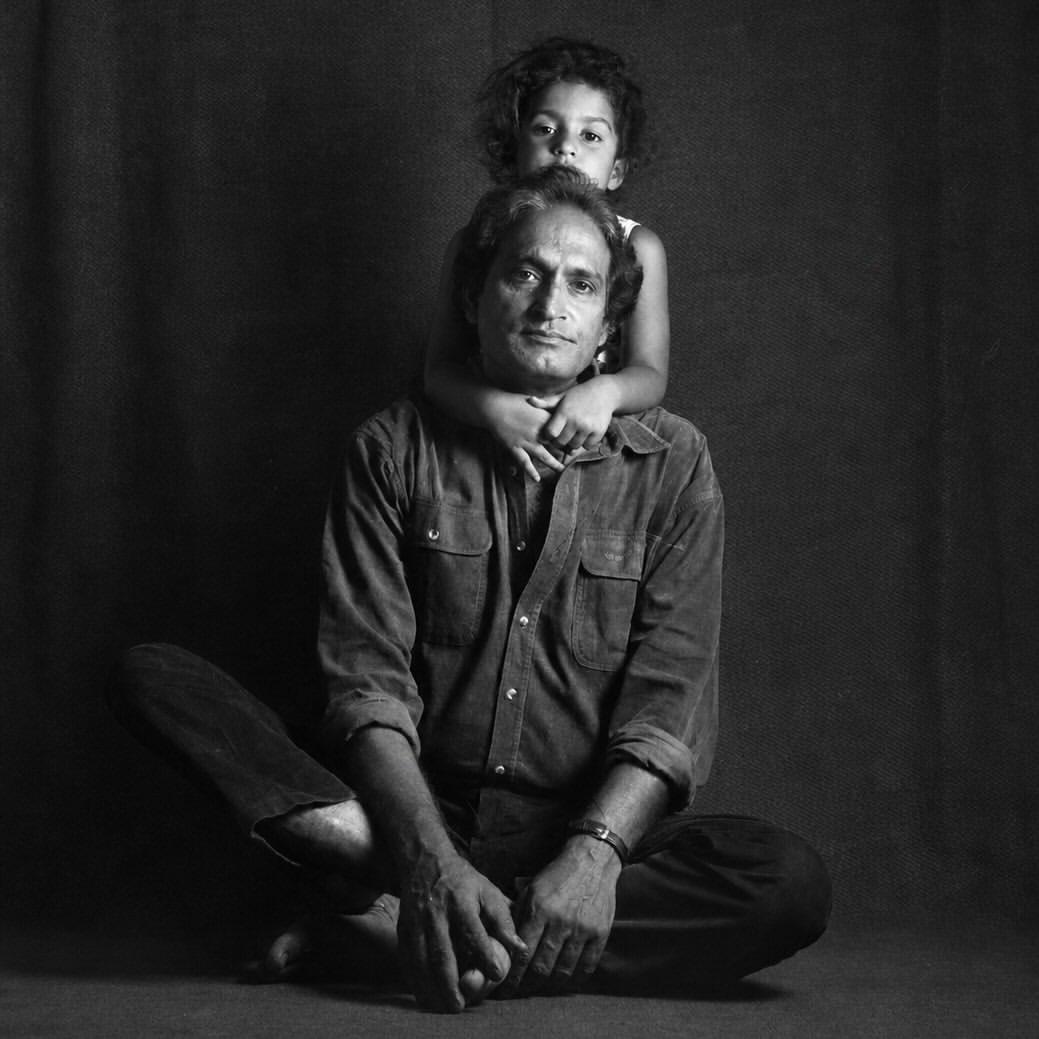
At the centre of this landmark edition is one of India's greatest visual storytellers: Raghu Rai.
For decades, Rai's photographs have shaped how the world understands India. His images have never chased spectacle; instead, they have revealed the country's contradictions—its spirituality and chaos, tenderness and resilience, grandeur and everyday poetry. Rather than presenting India through a singular narrative, Rai documented its many realities with rare empathy. That sensibility made him the natural choice for a project seeking to move beyond postcard imagery.
Originally envisioned as a collaboration between Rai and celebrated Norwegian fashion photographer Sølve Sundsbø, the calendar promised a dialogue between an insider's instinct and an outsider's curiosity. ]However, following Rai's passing in April 2026, the project took on an even deeper emotional resonance.
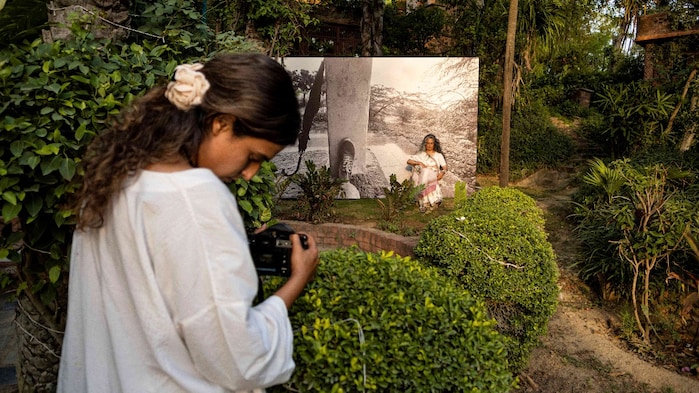
Stepping into that legacy was his daughter, Avani Rai.
Rather than attempting to imitate her father's iconic visual language, Avani approached the assignment as a continuation of his gaze through her own artistic voice. She has described completing the calendar as "stepping into his gaze"—a deeply personal act of remembrance while remaining true to her own photographic identity. The result is not simply a tribute, but an intergenerational conversation about seeing India: one shaped by memory, inheritance and a contemporary female perspective.
That layered vision is reflected in the women who inhabit the calendar's pages.
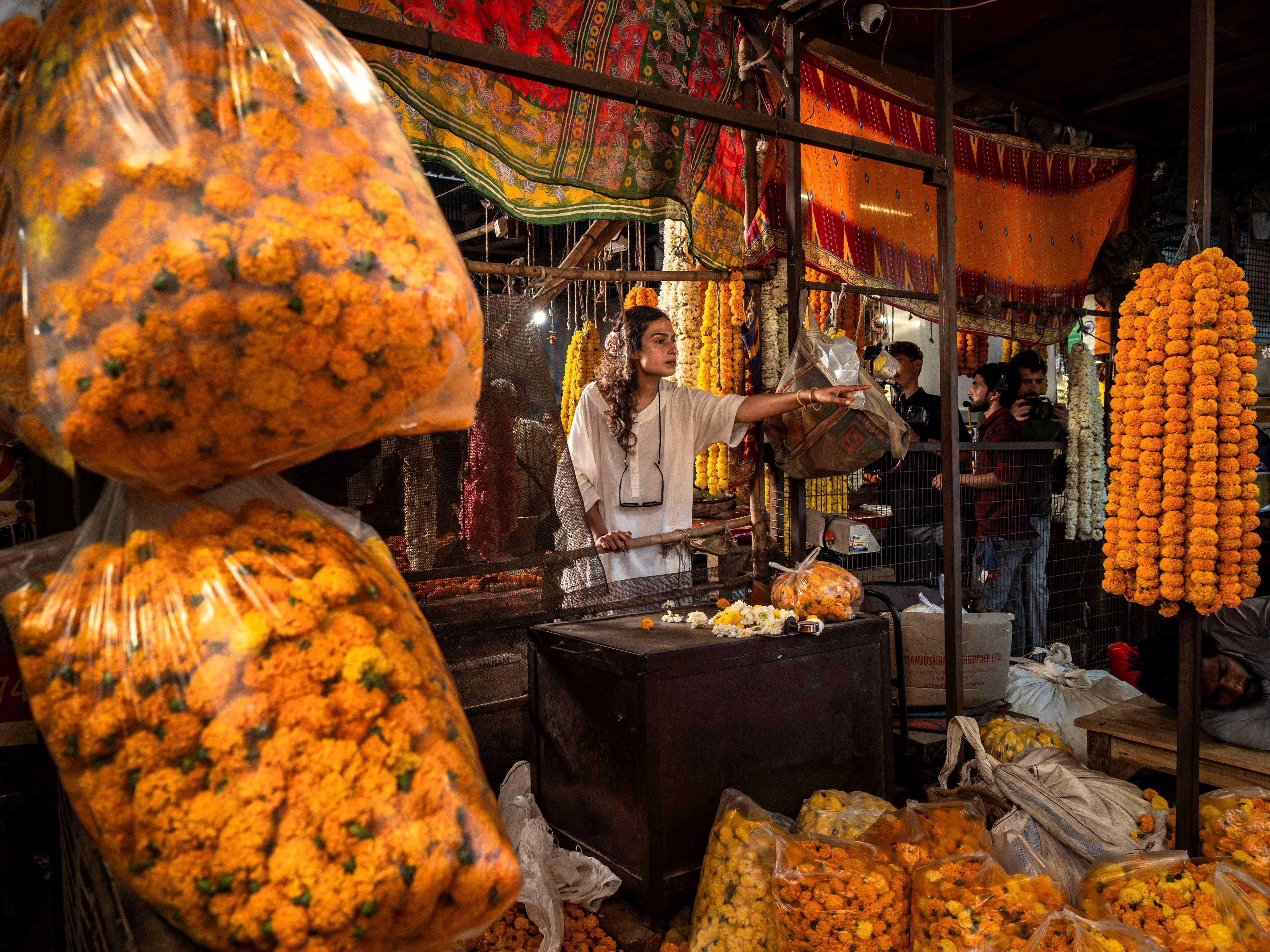
The cast brings together some of the most influential global voices of Indian origin, including actor Freida Pinto, author Rupi Kaur, musician Anoushka Shankar, author and television personality Padma Lakshmi, alongside breakthrough model Bhavitha Mandava, whose meteoric rise on the international fashion circuit has made her one of the industry's most exciting new faces. Together, they represent multiple generations, professions and interpretations of Indian womanhood—far removed from monolithic stereotypes.
The imagery itself embraces India in all its textures. Ancient forts, bustling flower markets, quiet lakes, historic cinemas and everyday streets become as important as the women photographed within them. Instead of relying on theatrical glamour, the calendar leans into natural light, lived-in spaces and emotional authenticity, allowing India to emerge as a character rather than a setting.
Its significance extends well beyond fashion.
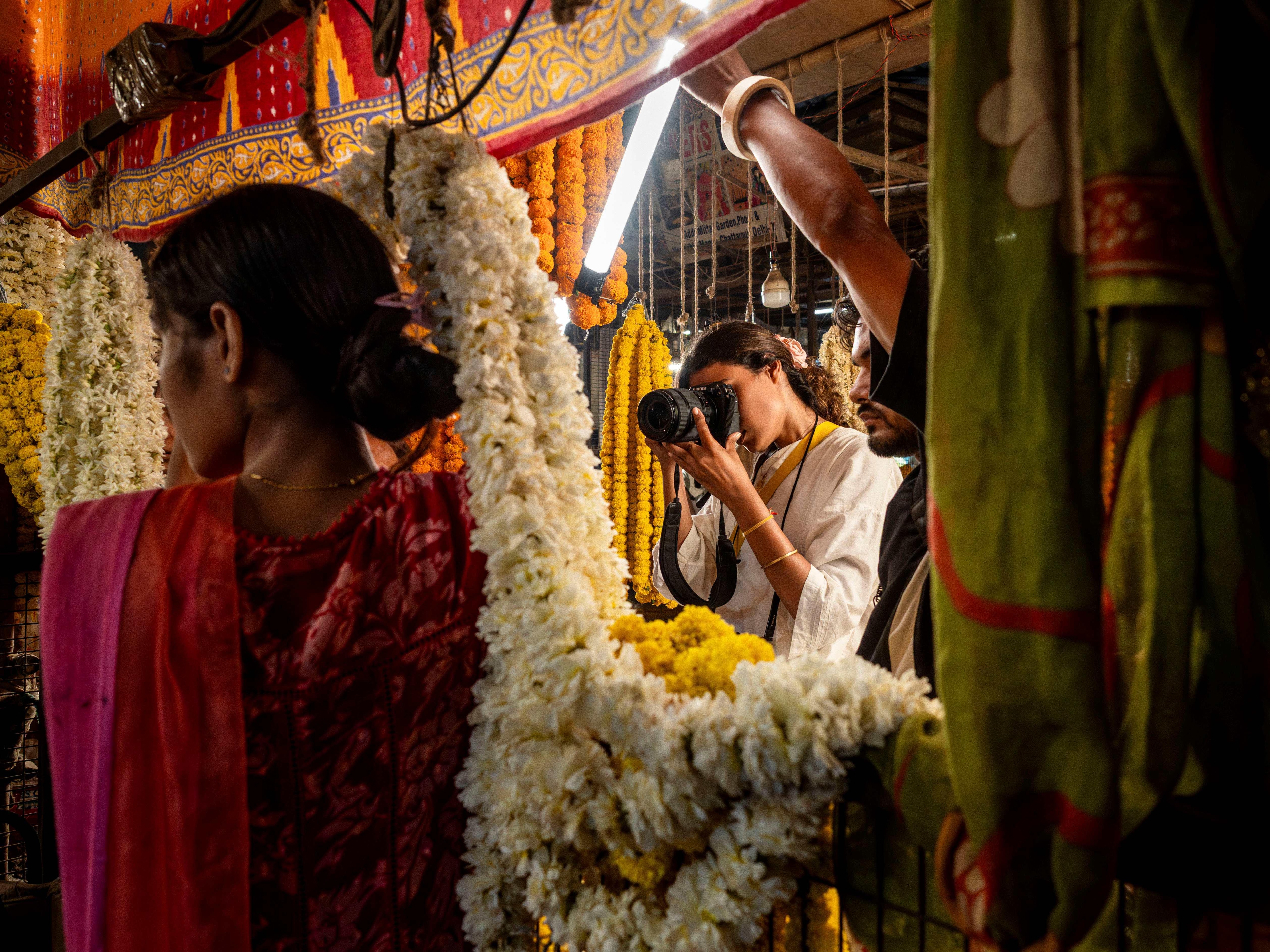
The Pirelli Calendar has always mirrored shifts in global culture. In recent years, it has evolved from celebrating idealised beauty to exploring identity, diversity and lived experience. Choosing India for this pivotal chapter acknowledges the country's growing influence across fashion, cinema, literature, music and contemporary art—not as an emerging market, but as a creative force shaping global conversations.
For India, the moment is symbolic. It is recognition that Indian aesthetics no longer require translation or validation for international audiences. The country's stories, faces and creative voices can command one of fashion's most prestigious platforms on their own terms.
It is not simply that India has finally entered this sphere. It is that India arrives not as inspiration borrowed from afar, but as the author of its own visual narrative—a story first imagined through Raghu Rai's timeless eye, and carried forward with grace by Avani Rai for a new generation.
All pictures from the backstage of the Pirelli Calendar 2027 by Sølve Sundsbø and Raghu Rai with Avani Rai, including the article cover image, picture by Alessandro Scotti.
Continue Reading