- Home
- Royalty
Why Saif Ali Khan is Bollywood's most unconventional royal
Saif Ali Khan has never rejected his legacy. He simply refused to let it do the work for him
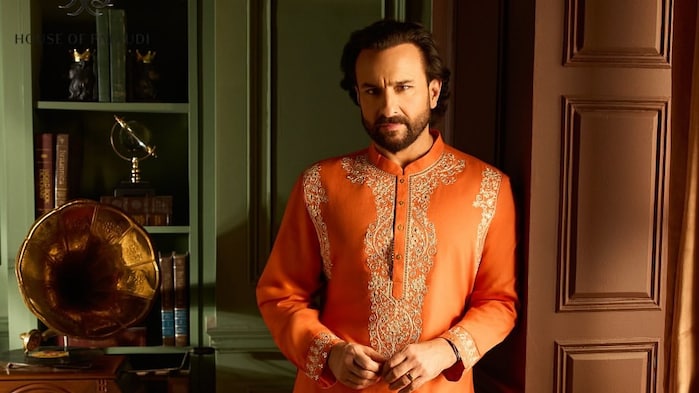

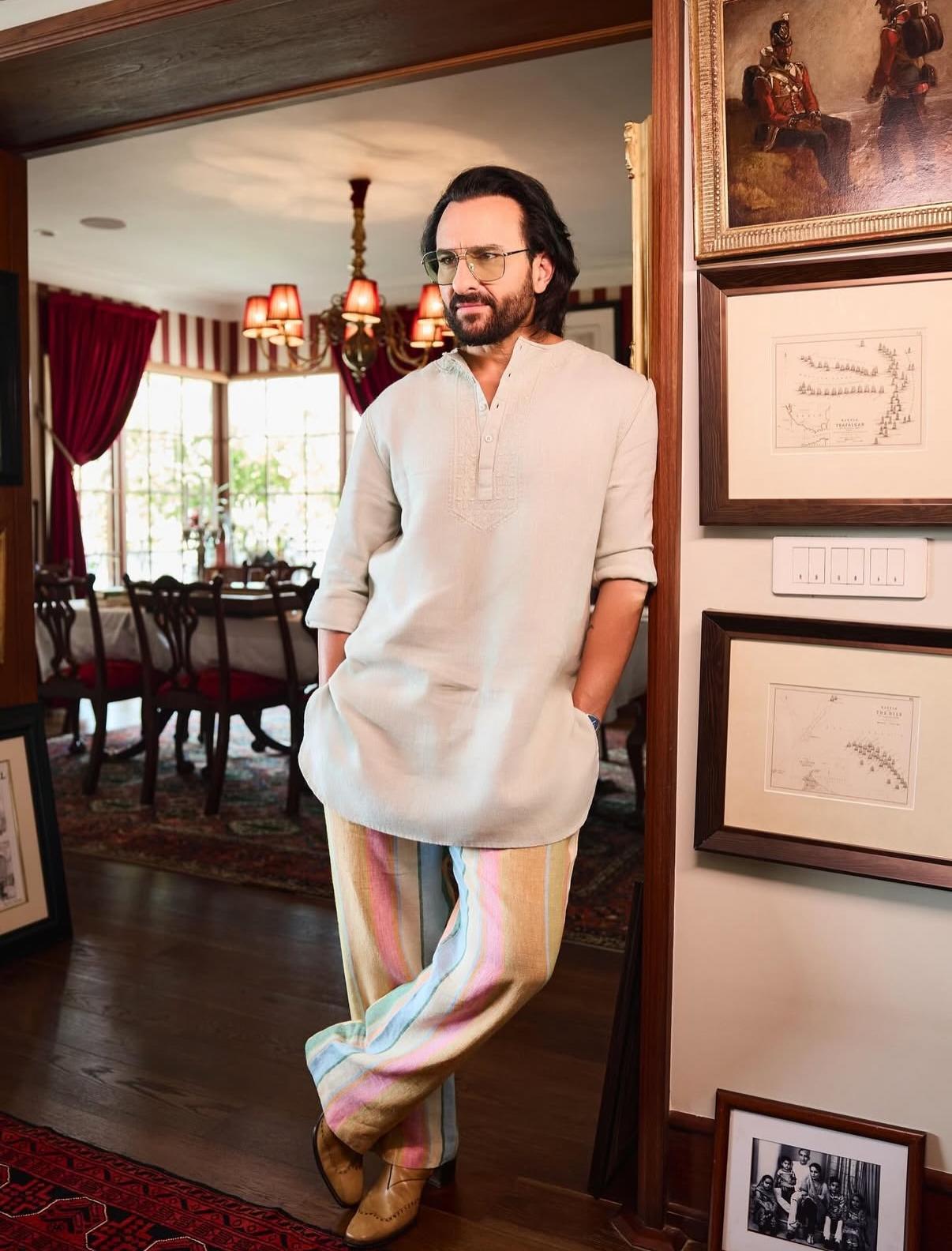
Ask Saif Ali Khan to play a king on screen and he'll do it without blinking. Ask him to play one off screen, and he tends to shrug the crown off entirely. One look at the nawab tag and people expect something regal; what they get instead is a man who seems mildly baffled by the fascination. Grandson of a nawab, son of a cricketing legend and a screen icon, and heir to a name that still makes headlines whenever he's spotted anywhere near a palace, Saif has somehow spent more than three decades quietly declining to play the part.
(Also Read: Princess Gauravi and Sawai Padmanabh Singh's Met debut)
It helps to know where the name actually comes from. His grandfather, Iftikhar Ali Khan, was the last Nawab to genuinely rule Pataudi and also captained India's cricket team back when the country still had princely states on the map. His father, Mansoor Ali Khan Pataudi, inherited the title as a boy after his father's sudden death, went on to captain India himself, and later married Sharmila Tagore, bringing Bollywood into the family story a generation before Saif ever stepped onto a film set. By the time the title passed to Saif, it had already travelled from the battlefield to the cricket pitch and eventually to the silver screen, acquiring a different meaning at every stage.
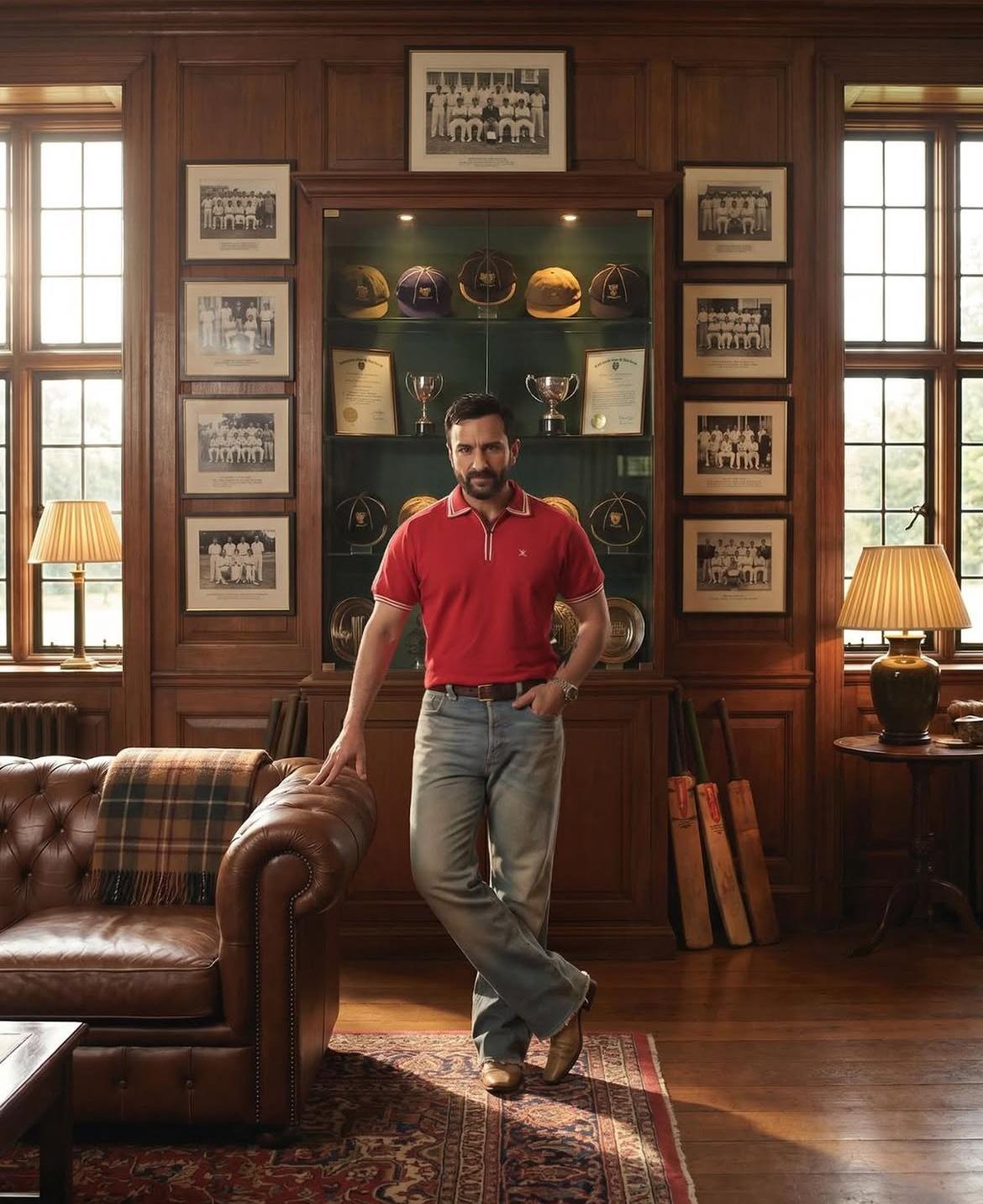
Here's the part that's often lost in translation: when Saif inherited the Pataudi title in 2011, he inherited a name, not a kingdom. India stopped recognising princely titles decades before he was born, making nawab more of an heirloom than an honorific; family lore rather than an official designation. Saif seems to know exactly how amusing that is. When a video of him riding through Mumbai in a horse-drawn carriage went viral, the internet interpreted it as a royal display. It was, in fact, a biryani commercial shoot. Most heirs wouldn't let a joke like that land. Saif practically hands you the punchline. If there's a genuinely royal instinct in Saif, it isn't a taste for grandeur but a stubborn attachment to what's his. After Pataudi Palace was leased to a hotel group following his father's death, Saif quietly bought it back using his own film earnings rather than treating it as an entitlement.
That instinct extends beyond real estate. Earlier this year, the family secured a long-awaited legal victory in a decades-old dispute over ancestral property in Bhopal. In Saif's world, legacy isn't something you simply inherit; it's something you continue to fight for, in courtrooms rather than on a throne. Saif has never been shy about honouring Mansoor Ali Khan Pataudi's memory. He has often spoken of his father less as a titleholder and more as a quietly principled man who taught him that grace mattered more than grandeur, a lesson that seems to shape how he carries the family name today. Reclaiming Pataudi Palace was as much about preserving his father's home as it was a property decision, while the elder Pataudi's cricketing legacy continues to anchor a family story that Saif has chosen to honour rather than merely inherit.
(Also Read: HELLO! India Exclusive: The royal custodian of Alwar)
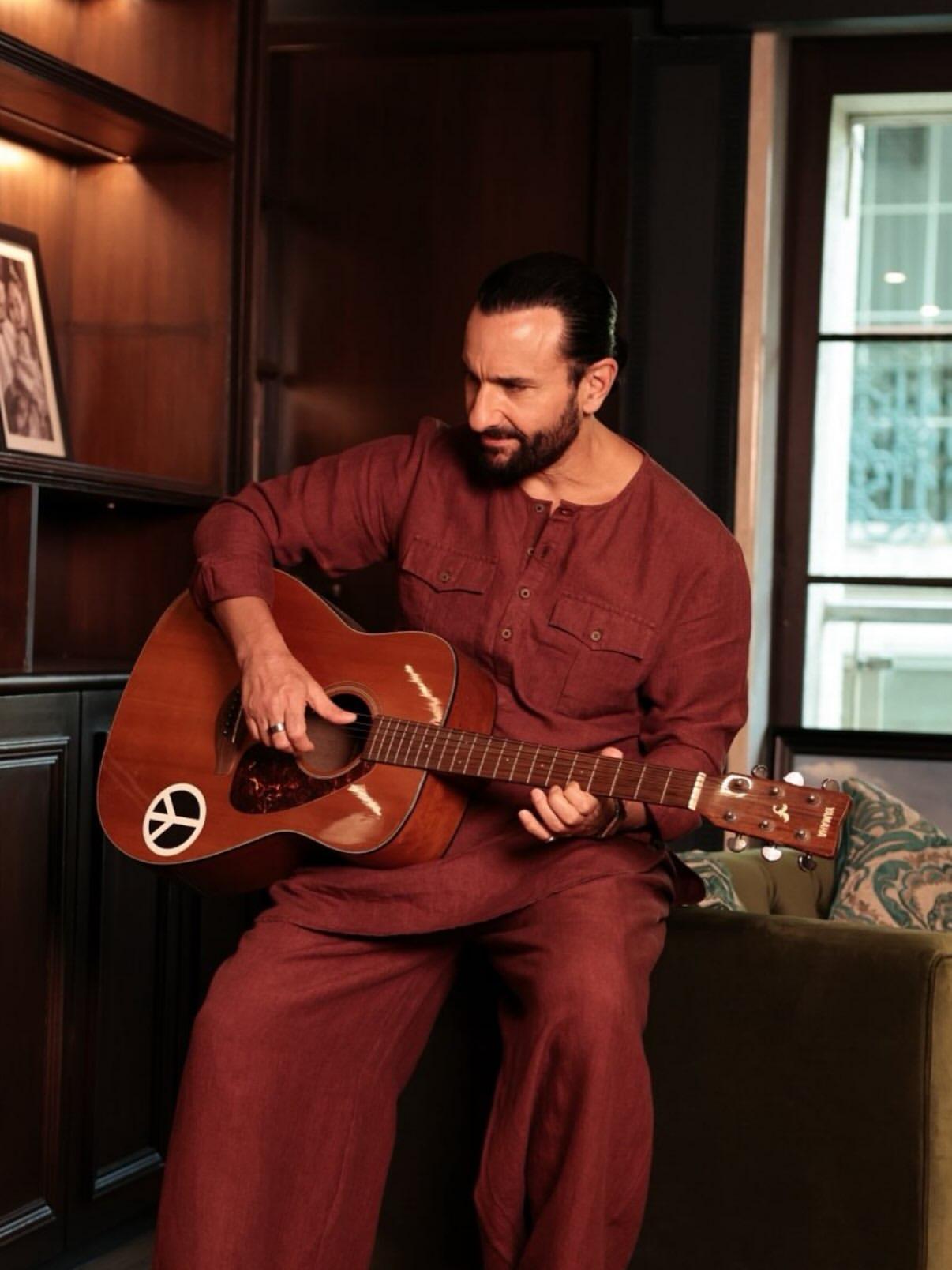
What keeps the Pataudi name culturally relevant isn't the palace or the title. It's the three decades Saif has spent actively building upon it. He's navigated Bollywood's changing eras with remarkable range, evolving from a 1990s romantic lead into an actor celebrated for his genre-defying work in the decades that followed, ensuring that the Pataudi name remains associated with reinvention rather than nostalgia. Three generations run through this story: a grandfather who built a palace, a father who captained a nation and carried a title into the modern era almost by accident, and Saif, who has spent his career quietly proving that none of it needed to define him. Add a fourth generation, with his children gradually stepping into the film industry themselves, and you have a lineage that continues to evolve.
Saif didn't reject his legacy. He simply refused to let it do the work for him.
Text by Judah Abujam
Edited by Dayle Pereira-Alemao
(Also Read: 5 businesses by royals that go beyond the palace)
Other topics
Continue Reading