- Home
- Health & Fitness
Everything you need to know about egg freezing, according to a fertility specialist
Today, the demographic entering fertility clinics is shifting dramatically. While many are career-focused or waiting for the right partner, many are addressing conditions like endometriosis. Egg freezing is no longer viewed through a lens of anxiety but rather as a sophisticated tool for reproductive self-determination
offline
Share this:
When actress Kriti Sanon candidly shared that she had frozen her eggs before filming Mimi, she thrust a private, deeply personal conversation into the public eye. Her decision struck a chord with thousands of women because it was rooted in a universal desire: the freedom to make life-altering choices based on emotional readiness rather than societal timelines.
Today, the demographic entering fertility clinics is shifting dramatically. While many are career-focused or waiting for the right partner, an increasing number are proactive individuals addressing conditions like endometriosis, low ovarian reserve, or preparing for medical treatments like chemotherapy. Ultimately, egg freezing is no longer viewed through a lens of anxiety but rather as a sophisticated tool for reproductive self-determination.
(Also Read: The hidden stress cycle affecting women’s health today)
Egg freezing: An overview
As a fertility specialist, these are the questions I hear almost every day: Am I too young to freeze my eggs? Is 35 too late? Will the process affect my future fertility? How many eggs do I actually need? Is it painful? These are no longer niche concerns. The common thread is that women want to make informed choices about their reproductive health rather than feel rushed into major life decisions.
Egg freezing, medically known as oocyte cryopreservation, is one of the most effective fertility preservation options available today. Simply put, it allows a woman to preserve her eggs while they are younger and healthier so they may be used at a later stage if she chooses to start a family.
Simplifying the process
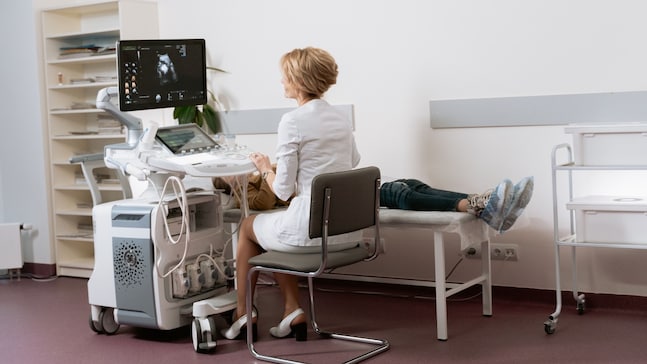
The process begins with hormone injections over 10 to 12 days to stimulate the ovaries so that multiple eggs mature in a single cycle instead of the one egg the body naturally releases every month. Throughout this period, doctors closely monitor progress through blood tests and ultrasound scans to ensure the ovaries are responding well to treatment. Once the eggs have matured, they are collected through a short day-care procedure performed under light anaesthesia and then frozen using a rapid cooling technique called vitrification, which helps preserve their quality for future use.
(Also Read: The rise of longevity-focused wellness)
Concerns, misconceptions, limitations and benefits
One of the biggest concerns women have is whether the process is physically or emotionally overwhelming. While the treatment itself is relatively straightforward, it can feel unfamiliar, especially for someone navigating fertility care for the first time. This is where the quality of care becomes just as important as the medical procedure itself. At Luma Fertility, for example, every patient is supported by a dedicated Care Navigator who helps explain each stage of the journey, coordinates appointments, and ensures that no question goes unanswered. Fertility treatment should never feel transactional. Women deserve to feel informed, reassured, and supported throughout the process.
One of the biggest misconceptions about egg freezing is that it guarantees a future baby. It doesn't. Egg freezing is best understood as a way to preserve the possibility of having a biological child later in life, not as an insurance policy. While advances in vitrification have significantly improved the survival of frozen eggs, the eventual chance of pregnancy still depends on several factors, including the age at which the eggs were frozen, the number and quality of eggs retrieved, sperm quality, embryo development, and overall reproductive health when the eggs are eventually used.
Like every medical procedure, egg freezing comes with both advantages and limitations. The biggest advantage is that it preserves younger eggs, giving women greater reproductive flexibility in the future. It can also provide reassurance for women who are not yet ready to start a family or those facing medical treatments that may compromise fertility. However, it is equally important to understand what egg freezing cannot do. It does not stop the biological ageing process, delay menopause, or guarantee a future pregnancy. Having realistic expectations is therefore just as important as understanding the science behind the procedure.
This is also why timing matters. Women are born with all the eggs they will ever have, and both the number and quality of these eggs naturally decline with age. Fertility begins to reduce gradually in the early thirties, with a more significant decline after the age of 35. While there is no perfect age that applies to every woman, the best outcomes are generally seen when eggs are frozen before the age of 35. That said, age alone should never determine the decision. Every woman has a unique fertility profile, which is why a consultation with a fertility specialist, along with tests such as an AMH blood test and an ultrasound scan, is essential before deciding whether egg freezing is the right option.
Is is right for you?
Just as important as deciding when to freeze your eggs is deciding where to do it. The process often comes with uncertainty, anxiety, and an endless stream of questions, making emotional support just as important as medical expertise. This is why patient-care-centric fertility centres are reimagining the experience by combining compassionate care with technology that simplifies treatment. Innovations such as the Luma Fertility app, which has an inbuilt Luma AI, help patients understand every stage of their fertility journey, access personalised information, keep track of appointments and reports, and find answers to common questions, all from a single platform. The result is a more transparent, accessible, and less overwhelming experience. When choosing a clinic, look beyond just success rates. Consider whether it offers the guidance, communication, and support that can make a deeply personal journey feel more manageable.
The growing conversation around egg freezing is ultimately a positive one because it encourages women to learn about their fertility before they are faced with difficult decisions. Whether or not egg freezing is the right choice is deeply personal, and there is no single answer that applies to everyone. The goal should never be to create pressure or fear around the biological clock. Instead, it should be to empower women with accurate information, compassionate guidance, and the confidence to make decisions that align with their own lives and aspirations. Because when it comes to fertility, the most powerful choice a woman can make is an informed one.
Dr. Radhika Sheth is a fertility and reproductive medicine specialist with over 18 years of experience across Germany, Italy and the UK, where she is recognised for her expertise in IVF, PCOS, and recurrent pregnancy loss
(Also Read: Bhumi Pednekkar's guide to holistic wellness)
Advertisement