- Home
- Lifestyle
The viral Gen Z slang that's defining internet culture in 2026 so far
From “bed rotting” to “unc”, Gen Z has turned ordinary habits, observations and inside jokes into a constantly evolving vocabulary, which HELLO! India gives you the latest update on from the year so far
offline
Share this:
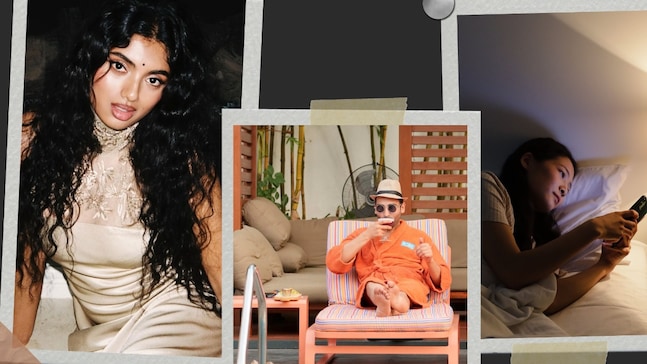
The internet isn’t just changing pop culture; it’s changing the language we use to make sense of everyday life. From “bed rotting” and “looksmaxing”, the current generation has turned ordinary habits and inside jokes into a constantly evolving vocabulary. What starts as a viral phrase can quickly become part of the cultural lexicon, giving names to experiences we didn’t know needed one. HELLO! India rounds up the latest internet terms shaping the way the digital sphere talks, lives and scrolls in the year 2026, so far.
(Also Read: From Dua Lipa to Emma Roberts, all the cool girls tarot now)
1. Bed rotting
Remember when spending an entire day in bed was simply called being lazy? The internet has given it a complete rebrand, which many have happily adopted. Bed rotting is exactly what it sounds like: lying in bed and doing everything from binge-watching and doomscrolling to snacking and staring at the ceiling. The phrase also reflects on how we're becoming increasingly comfortable with slowing down and reframing inactivity as self-care rather than laziness.
2. 6-7
What started as a phrase associated with a song quickly evolved into an internet meme, which was even humourously adopted by Pope Leo. People began using '6-7' in conversations despite the fact that it doesn't carry a clear meaning. Its ambiguity is precisely what made it go viral.
3. Looksmaxing
What began as a niche internet trend has entered mainstream conversations around self-improvement, which has also veered into obsessive territory. Looksmaxing refers to the pursuit of enhancing one's appearance through grooming, skincare, fitness and styling. A segment of the internet has also taken the trend notches by undertaking plastic surgery and cosmetic procedures to fulfil their ideal of perfection as the idea goes beyond simply looking good to optimise every aspect of one's appearance.
(Also Read: Mahjong: From Chinese heritage to Western phenomenon)
4. Desi maximalism
Minimalism may have dominated trends for years, but desi culture has always embraced maximalism. Rich colours, intricate embroidery, statement jewellery and bold prints have long been woven into South Asian fashion traditions. Desi maximalism celebrates the idea that more is more. Layering jhumkas, stacking bangles and mixing prints are no longer considered excessive; they're a style statement.
5. Clock it
The phrase has become the internet's preferred way of saying you've spotted something that others may have missed. Whether it's identifying questionable behaviour, catching a hidden detail or seeing through a situation, 'clock it' has become this generation's verbal magnifying glass.
6. Micro-retirement
Instead of waiting until the end of a career to enjoy life, people are taking extended breaks throughout their working years. Whether it's a few months away from work or an intentional pause from routine, micro-retirement challenges the idea that leisure should be reserved for old age.
7. Unc
Not every older man is an uncle, but man young adults have already entered their 'unc' era. Short for 'uncle', the term is used playfully to describe someone whose behaviour feels distinctly uncle-like. Age isn't necessarily the deciding factor. Offering unsolicited advice, complaining about modern trends and sharing strong opinions are all classic signs of 'unc' energy.
(Also Read: 8 Hollywood psychological thrillers for rainy nights)
Advertisement