- Home
- Lifestyle
Mahjong's journey from Chinese heritage to Western phenomenon
Whether played around a family table in China or at a social club in New York, the enduring appeal of the game continues to bring people together
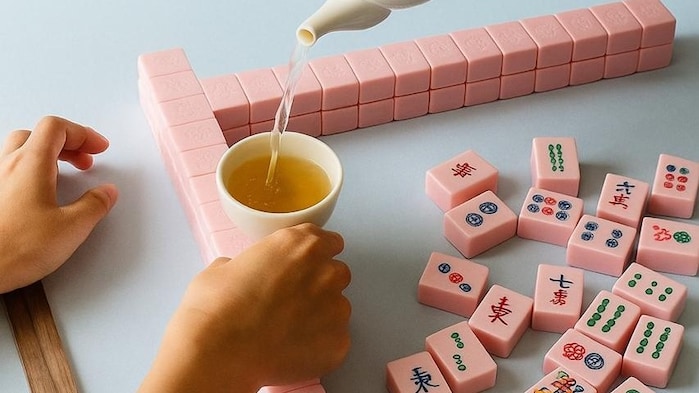

From grandmothers to Gen Z, nearly everybody has heard; if not played a round, of Mahjong. The tile-based game; which was once relegated to being a leisure activity for wealthy Chinese merchants is now a game-night staple. For the unbeknownst, the game involves 144 tiles, marked with Chinese characters and numbers, which are shuffled between four players. Much like poker and gin rummy, Mahjong relies on a combination of strategy, pattern recognition and luck. It challenges cognitive and reasoning skills, making it an engaging intellectual pastime. While the basics of the game can be learned in an afternoon, mastering it can take a lifetime.
(Also Read: From brunch spots to secret clubs, Mahjong is everywhere and cannot be stopped)
From China, with love
Developed in Southern China in the mid-1800s, Mahjong spread across the globe in the early 20th century. The game, which travelled across continents and generations, evolved into more than 40 different variations, including American, Japanese Riichi, Singaporean, Taiwanese and Vietnamese. Initially woven into Chinese heritage, Mahjong had come to represent community, connection and the preservation of tradition. Each Mahjong set carries its own stories, memories and generations of tips and tricks, often passed down as family heirlooms.
Mahjong's modern era resurgence
The recent resurgence of Mahjong as a cross-cultural connector has been driven by people's desire to unplug from their phones, connect organically and enjoy nostalgic activities. Pop culture, through films such as All's Fair in Love and Mahjong and Crazy Rich Asians, has introduced Mahjong to younger generations, drawing them to its strategic and intellectually-stimulating gameplay. At the same time, the rise of analogue hobbies and social media has made Mahjong feel aspirational. Many players also enjoy low-stakes cash games, where payouts can increase significantly depending on the rules and winning hands.
America's love affair with Mahjong
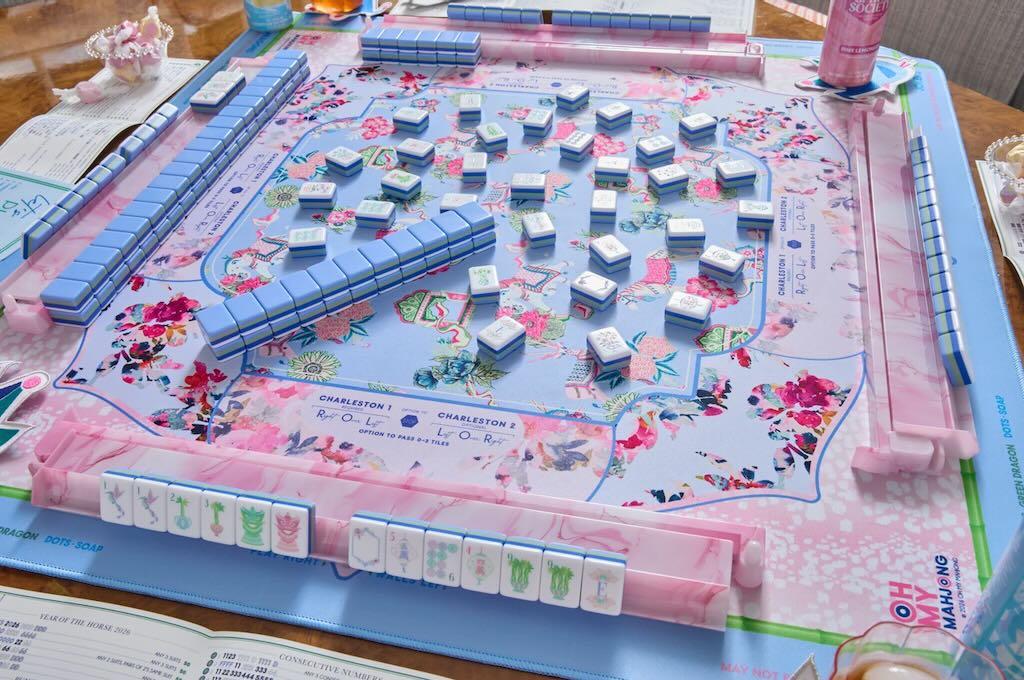
Mahjong arrived in America almost exactly 100 years ago and became especially popular among Jewish women in New York—who went on to found the National Mah Jongg League in 1937. The League introduced its own rules and winning hands, creating a distinctly American version of the game.
Ironically, American Mahjong gained widespread popularity at a time when Chinese immigrants faced strict exclusionary immigration policies, making the game a celebrated symbol of a culture that was often excluded. The Americanisation of Mahjong remains controversial, raising questions around cultural appropriation and commercialisation. What was once cherished as a Chinese tradition is now available across the United States as a lifestyle trend—complete with designer tile sets worth hundreds of dollars, premium beginner classes, curated Mahjong gatherings, boutique retreats and ticketed community events. Players often arrive with designer Mahjong attachés to carry their tile sets, while clubs such as Mahjong Mistress in Los Angeles and Green Tile Social Club in New York have transformed the game into a social experience with DJs and themed nights.
Despite its reinvention, Mahjong remains more than a passing trend. Whether played around a family table in China or at a social club in New York, the game continues to bring people together. The enduring appeal of this centuries-old game continues to captivate players across generations, proving that some traditions only grow stronger with time.
Text by Tamanna Jain
Edited by Dayle Pereira-Alemao
(Also Read: HELLO! India Exclusive: Mahjong mania taking over Mumbai)
Other topics
Continue Reading