
- Home
- Beauty
The new science of skin: How emotions, stress and skincare intersect
As research into the brain-skin connection continues to grow, it’s becoming clear that skincare is evolving beyond surface-level beauty
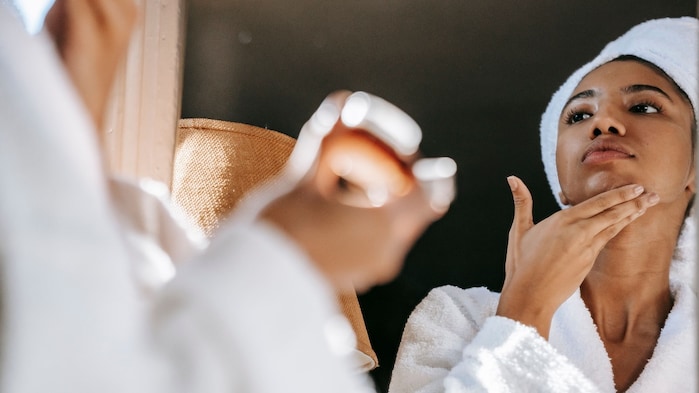

Have you ever noticed your skin looking dull after a stressful week, or waking up with unexpected breakouts before an important event? It’s a familiar experience for many of us. Our skin doesn’t just respond to products or the weather; it also reflects what’s happening inside our minds and bodies. This is exactly what the emerging field of neurocosmetics seeks to understand: the fascinating relationship between the brain, emotions and skin. Rather than viewing skin as an isolated organ, neurocosmetics explores how stress, mood and sensory experiences can influence skin comfort, hydration and overall wellbeing.
(Also Read: Pratibha Ranta shares her skincare philosophy)
The brain-skin connection
The connection is more natural than it sounds. The skin and the nervous system develop from the same embryonic layer, which is why they continue to communicate throughout our lives. When we experience stress, the body releases cortisol, often called the stress hormone. In small bursts, it’s a healthy survival response. But when stress becomes constant, the skin can begin to feel the effects, appearing drier, more sensitive and less resilient.
Sleep plays an equally important role. While we rest, our skin shifts into recovery mode, repairing its barrier and replenishing moisture. Consistently poor or irregular sleep interrupts this natural renewal process, often leaving skin looking tired, dehydrated and lacking its usual glow.
Modern life makes this cycle even harder to escape. Endless notifications, demanding work schedules, pollution, travel and very little downtime create a constant background of low-level stress. Individually, these may seem manageable, but together they can gradually influence how our skin behaves and recovers.
(Also Read: The science behind microcurrent facials)
How emotions influence skin and habits
Emotions also shape our habits in subtle ways. During stressful periods, we may skip our skincare routine, sleep less, eat differently or unconsciously touch our face more often. These everyday behaviours can amplify existing skin concerns, making emotional wellbeing an important part of the overall picture.
At the same time, it’s important not to blame every skin issue on stress alone. Acne, pigmentation, sensitivity and premature ageing are influenced by many factors, including genetics, hormones, environment and lifestyle. Stress is one piece of a much larger puzzle, not the entire story.
What makes neurocosmetics particularly exciting is its holistic perspective. Instead of focusing only on correcting visible imperfections, it considers the skin’s interaction with neurological signals and the sensory experience of skincare itself. Texture, touch and moments of mindful self-care may not eliminate stress, but they can contribute to feelings of comfort and support the skin’s natural barrier function.
The future of skincare and wellbeing
This shift also changes how we think about beauty rituals. A skincare routine isn’t simply about appearance; it can become a small daily pause in an otherwise busy life. Those few intentional minutes of cleansing, moisturising or massaging the skin can encourage consistency, relaxation and a greater sense of wellbeing alongside healthy skin habits.
Ultimately, healthy skin is less about achieving perfection and more about building resilience. Our skin will inevitably respond to changing seasons, hectic schedules and emotional highs and lows. Supporting its ability to recover, stay hydrated and maintain a strong barrier is often more meaningful than chasing flawless results.
As research into the brain-skin connection continues to grow, it’s becoming clear that skincare is evolving beyond surface-level beauty. The future of skin health lies in understanding the powerful relationship between biology, behaviour and emotions, recognising that caring for our skin also begins with caring for ourselves.
Shubham Godara is the co-founder of Scinq Neurocosmetics that combines neuroscience with cosmetics to address skin health and emotional well-being
(Also Read: How J-Beauty is revolutionising the beauty game in India)
Other topics