- Home
- Fashion
Remembering the emperor of elegance, Valentino Garavani
Five leading couturiers reflect on the Italian designer’s lasting influence on fashion, through the lens of his signature hue, the ‘Valentino red’
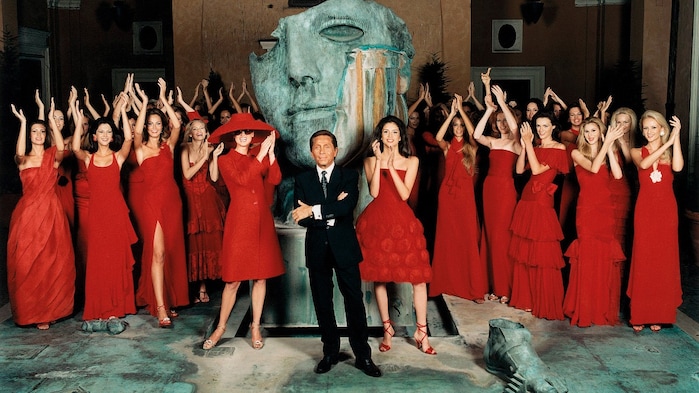

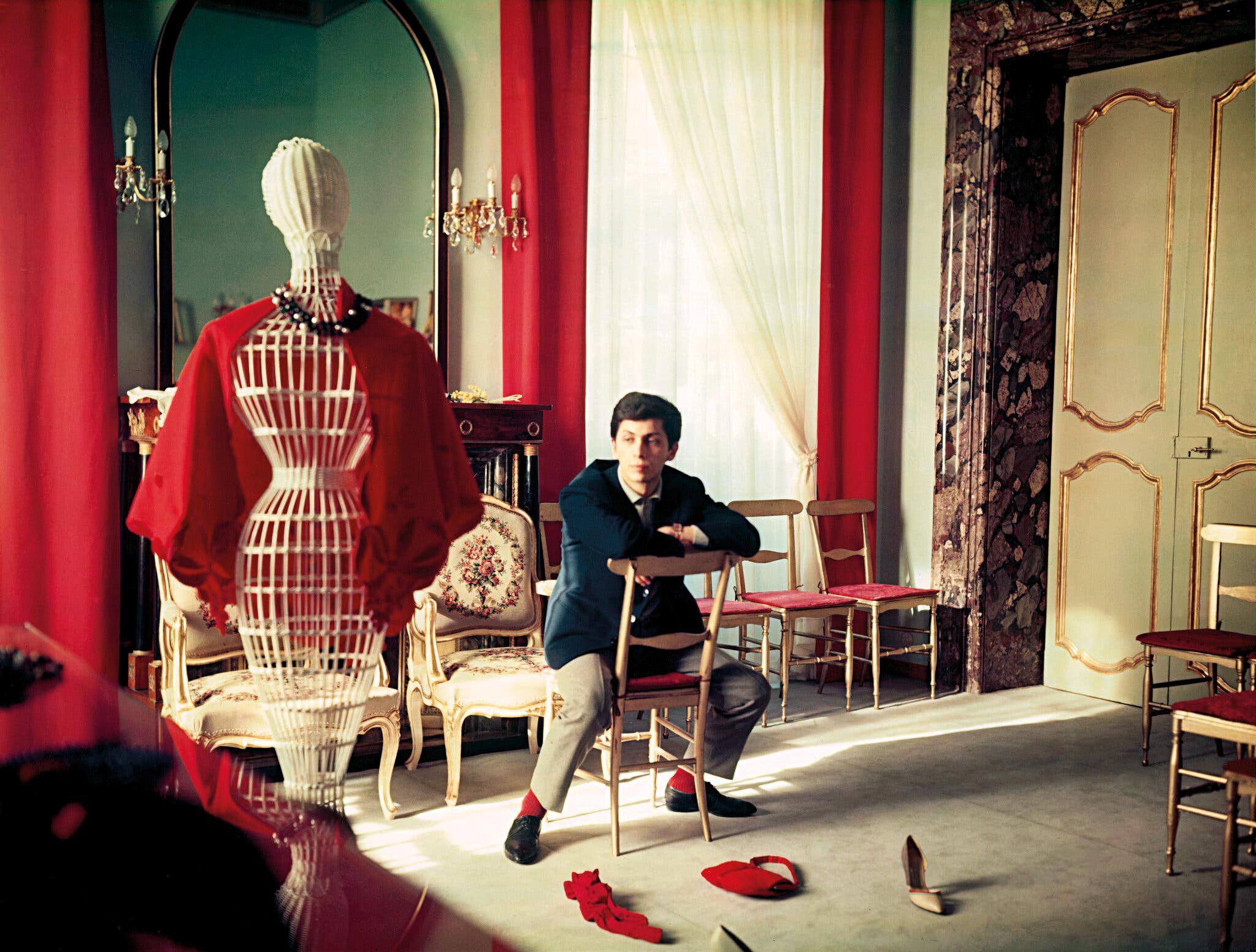
The world of fashion lost its “Emperor of Elegance” this January. Widely regarded as the last of the great 20th-century couturiers, Valentino Garavani defined the image of royalty in a republican age, dressing princesses as well as Hollywood and society figures. He founded his namesake house in 1959, and was dubbed “the last emperor” in the 2008 eponymous documentary. Over the next half-century, Valentino became inseparable from a world of grandees — and a signature shade of red. He built one of the most recognisable maisons by doing something unfashionable: staying put.
Across decades of changing taste, ownership shifts and aesthetic revolutions, he returned to the same ideas often enough that they became identifiable without explanation. Those ideas were not theoretical. They were visible in the clothes. Dresses that looked complete. Construction that held their exacting shape. Finishing, gleaming with plush insouciance, that transformed the garment into second skin.
Valentino believed in discipline. He believed that elegance could be designed, not improvised, and that refinement was the result of control rather than excess. His work rarely aimed to surprise. Instead, it aimed to reassure. That approach was evident whether he was working in couture or ready-to-wear. Bodices were shaped but never aggressive. Skirts fell with weight and intention. Seams landed exactly where the body expected them to. Lace, bows and embroidery — elements often dismissed as decorative — were treated as structural tools, used sparingly and with razor-sharp precision.
THE LEGACY THAT WAS
Amit Aggarwal recalls encountering Valentino’s work in 2004, when a small group of garments arrived in India ahead of a show. “I remember pausing and just looking at them longer than necessary,” he says. “There was a stillness to the clothes. The fall of the fabric felt assured. The lines were clean, almost inevitable. Nothing felt overworked. Everything felt decided.” That sense of decision-making defined Valentino’s career. He was not interested in ambiguity. He designed with the confidence of someone who knew exactly what he wanted women to look like: composed, assured and visibly comfortable in their clothes. “I try to make my girls look sensational,” he once said.
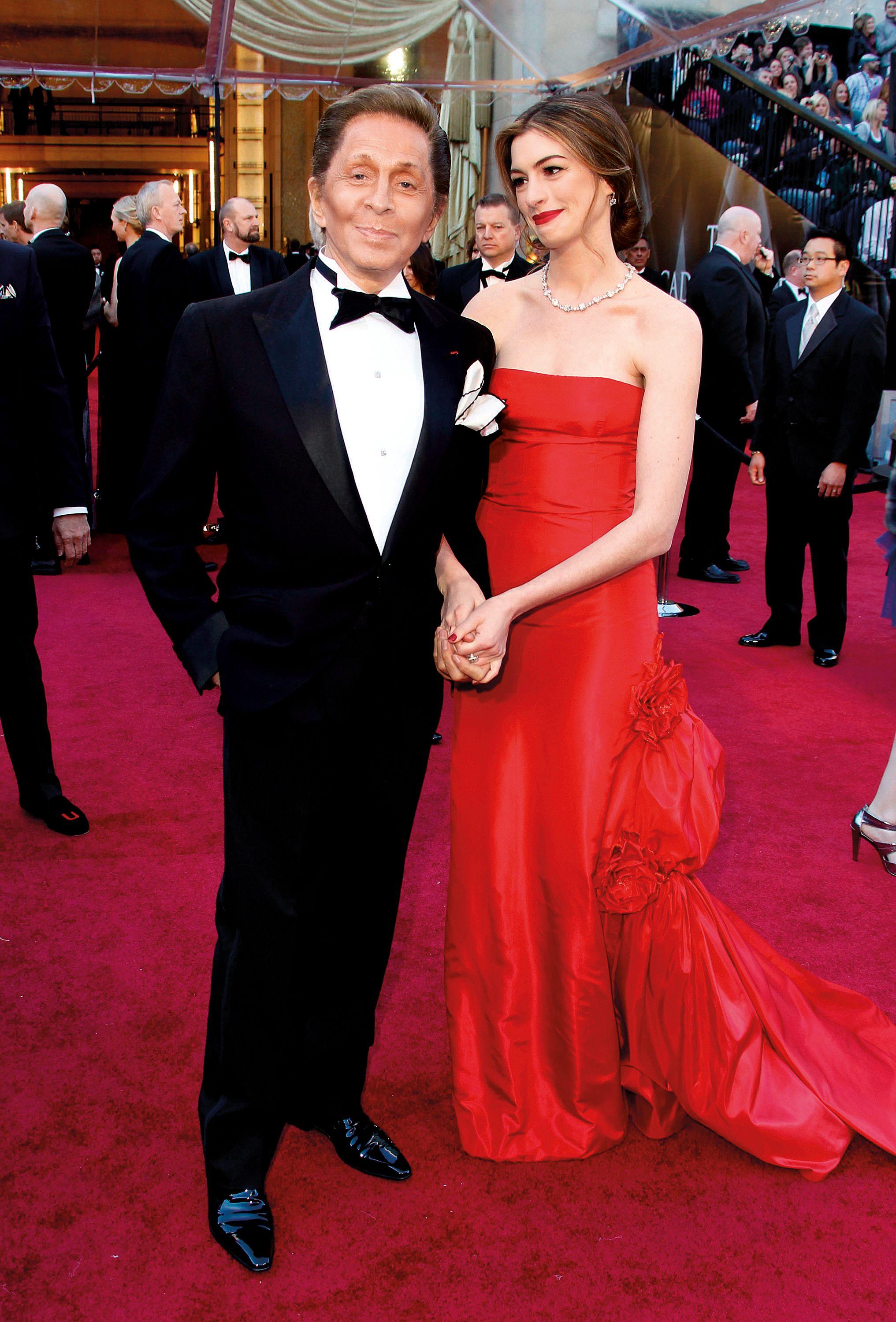
This clarity of purpose made him a natural choice for women who understood clothing as a form of public language. Jacqueline Kennedy, Elizabeth Taylor and Audrey Hepburn wore him for all of their public appearances. Later, Julia Roberts, Cate Blanchett and Gwyneth Paltrow turned to Valentino for various moments — and, eventually, became his most-treasured muses.
The black-and-white gown Julia wore to the 2001 Academy Awards remains one of the most referenced red-carpet looks of its era. It was not radical. It was precise. Cate’s yellow cady silk Valentino at the 2005 Oscars achieved something similar: recognisable, memorable and grounded in its construction. “Utterly iconic and synonymous with Italian haute couture” is how Abu Jani and Sandeep Khosla describe Valentino.
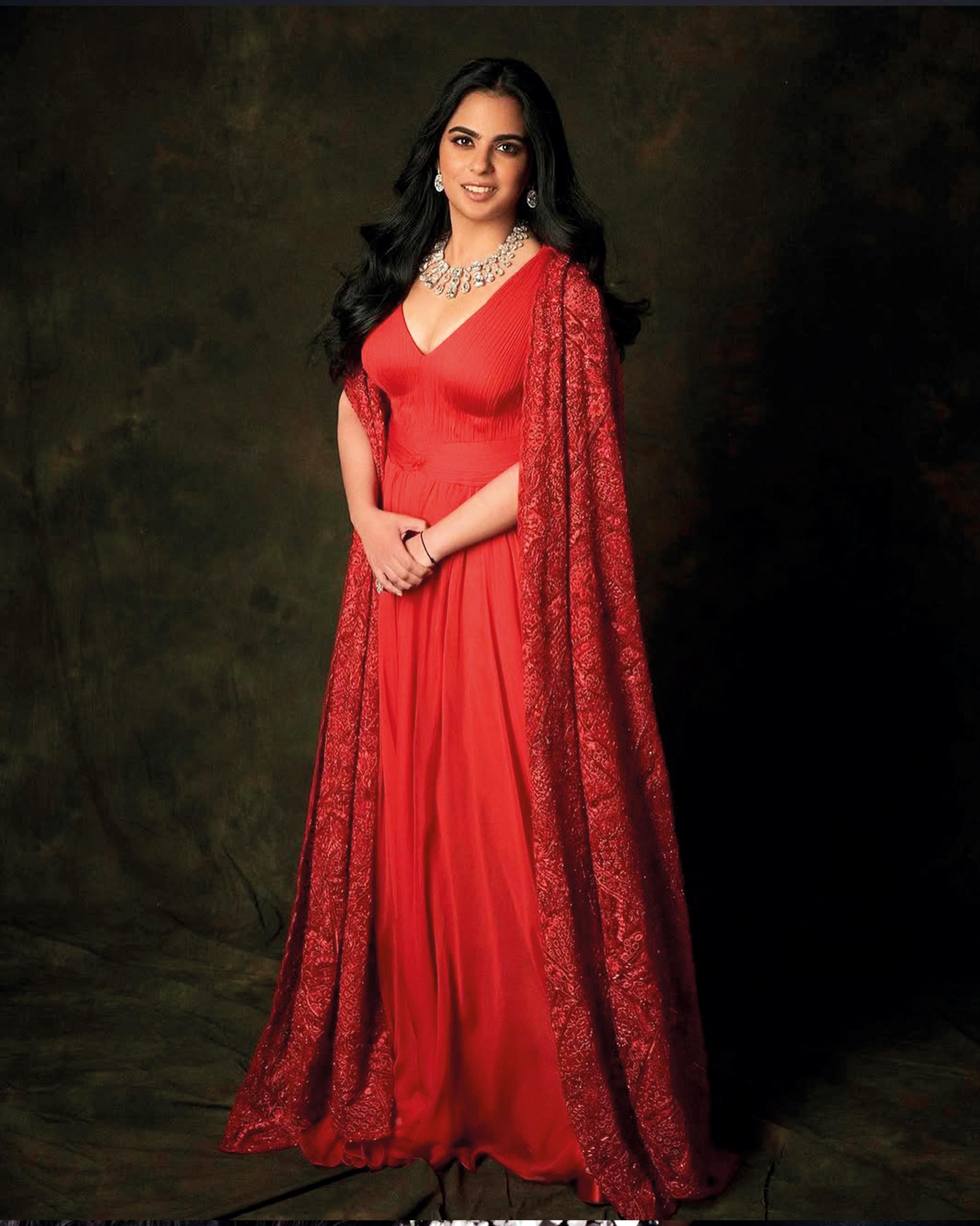
They also recall their collaboration with the house in 2023, when they dressed Nita Mukesh Ambani and Isha Ambani Piramal at the inaugural NMACC Gala in 2023, pairing custom couture capes with Valentino gowns. The collaboration, they say, reflected a shared commitment to embroidery, lace and finish — values central to Valentino’s work.
THE VIVACIOUS VALENTINO RED
At the centre of Valentino’s visual identity was colour. Beginning early in his career, he returned repeatedly to a specific shade of red — a vermilion that was clear, saturated and unmistakable — that came to be known simply as “Valentino red.” Inspired, he said, by watching women in red stand out at the opera in Barcelona, the colour became his signature. “It was not dramatic,” Amit notes. “It was certain.”
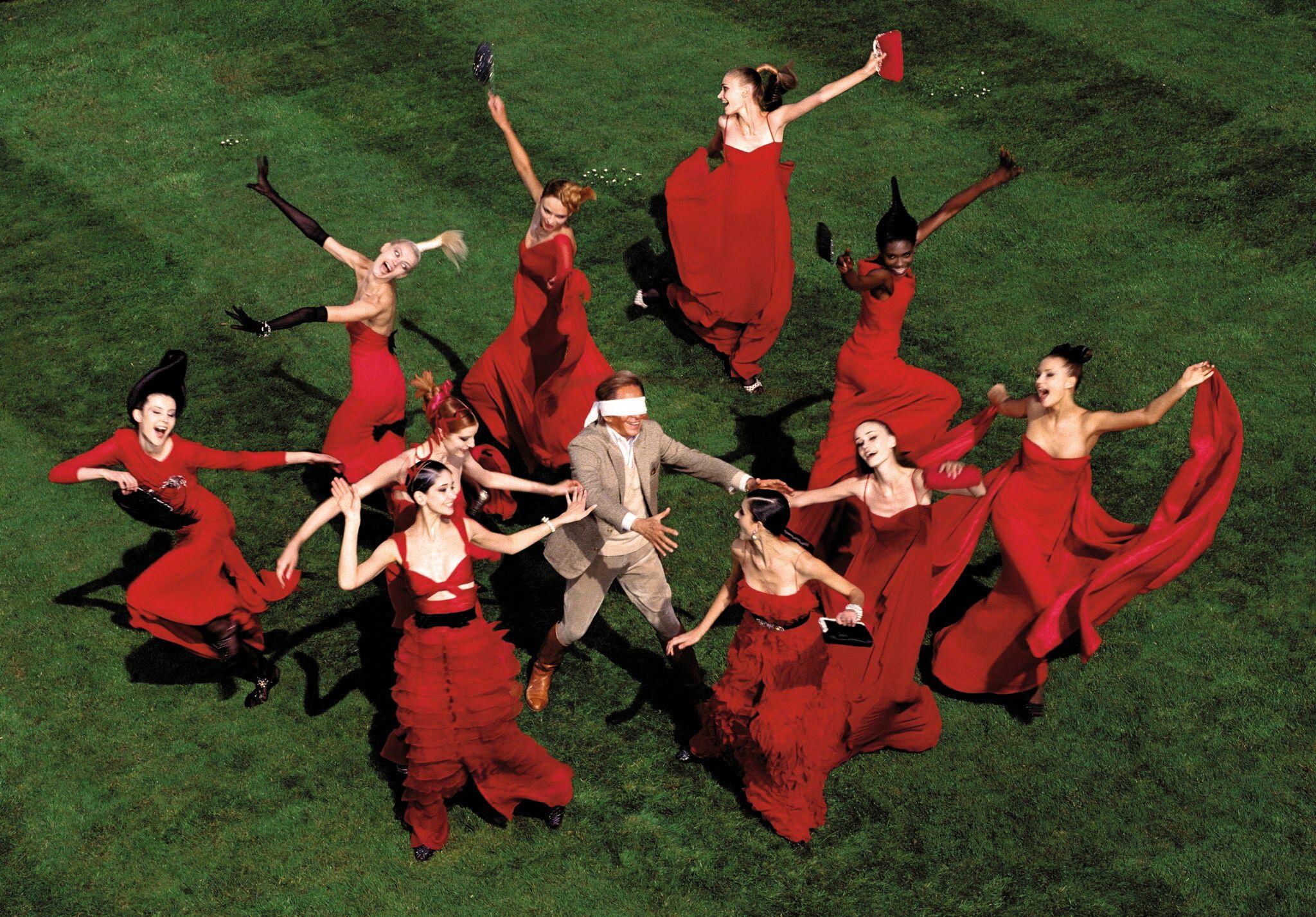
Over time, the red functioned less as an accent than as a marker. It often closed a couture show, anchored a collection, or gave coherence to an otherwise restrained silhouette. Repetition, rather than novelty, gave it meaning. Fashion designer Suneet Varma remembers encountering the shade while working backstage at a Valentino presentation during his student years in London. “When someone says ‘Valentino red’, you immediately know exactly which red they mean,” he says. “That’s an extraordinary achievement — to define a colour so completely.”
CONSISTENT RESTRAINT
Couturier and costume designer Manish Malhotra sees that consistency as central to Valentino’s influence. “His work stood for discipline, clarity and an uncompromising respect for craft,” he says. “There is a lesson there about conviction — about knowing one’s voice and standing by it.” That conviction also meant resisting many of the shifts that reshaped fashion from the 1990s onwards.
Valentino did not engage with grunge, deconstruction or irony. When fashion moved toward deliberate imperfection, he remained committed to refine his design aesthetic. “I cannot see women destroyed, uncombed or strange,” the designer had once said. Gaurav Gupta accurately describes this restraint as formative: “Valentino never needed excess to create impact. The confidence was in the construction, in how the fabric moved, and in how emotion was controlled.”
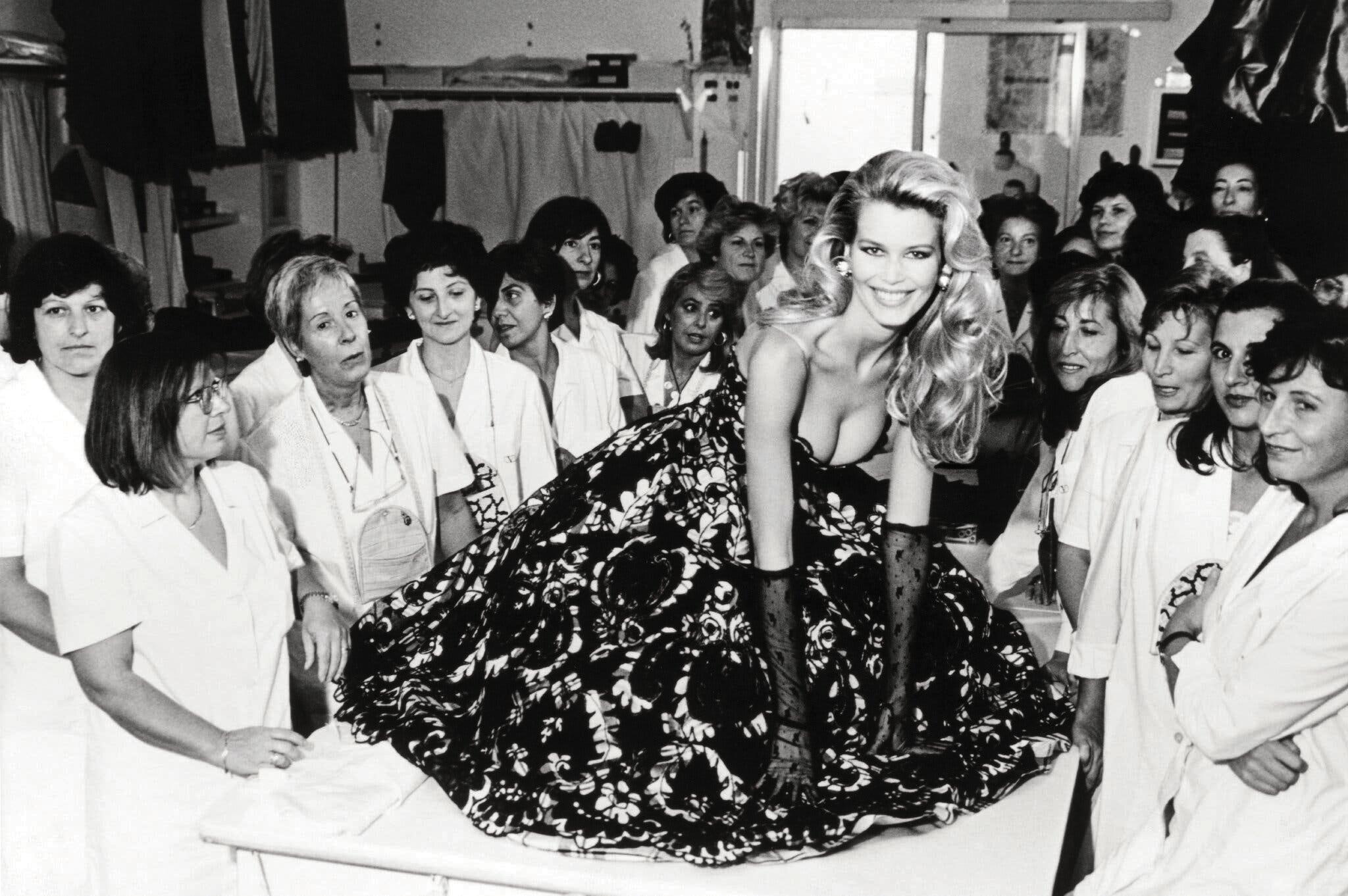
Behind the scenes, Valentino’s partnership with Italian businessman Giancarlo Giammetti ensured that his focus remained squarely on design. He showed little interest in the mechanics of business; Giammetti built the model that allowed him to work without distraction. The house changed hands in 1998, but Valentino remained creatively in control until his retirement. He staged his final couture show in Paris in January 2008.
When he stepped away, he did so deliberately, uninterested in a fashion system increasingly driven by speed and scale. In the end, Valentino’s legacy is less measured by celebrity photographs or archive milestones, and more by what he made fashion understand. He underscored that a designer could remain relevant without reacting to every change in fashion. He refined the same ideas until they became unmistakable — visible in cut, proportion and finish, and most clearly in red, which became inseparable from his name.
Continue Reading