- Home
- Fashion
Craft, consciousness and contemporary glamour defined the Lakmē Fashion Week x FDCI
Across the final days of Lakmē Fashion Week x FDCI, designers presented a rich tapestry of ideas—where heritage met innovation and storytelling shaped every silhouette where the week concluded as a powerful ode to craft, consciousness and contemporary design.
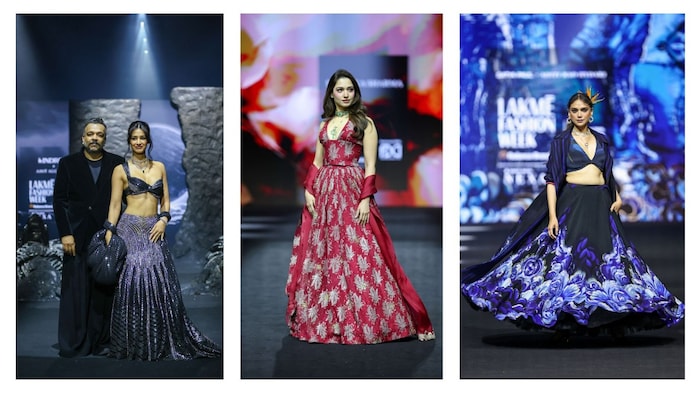

As Lakmē Fashion Week x FDCI drew to a close in Mumbai, the final two days unfolded as a powerful celebration of Indian fashion’s evolving identity—where heritage met innovation, craft intersected with technology, and storytelling took centre stage. From emerging voices to established couturiers, the runway became a canvas for ideas that felt both deeply rooted and future-facing.
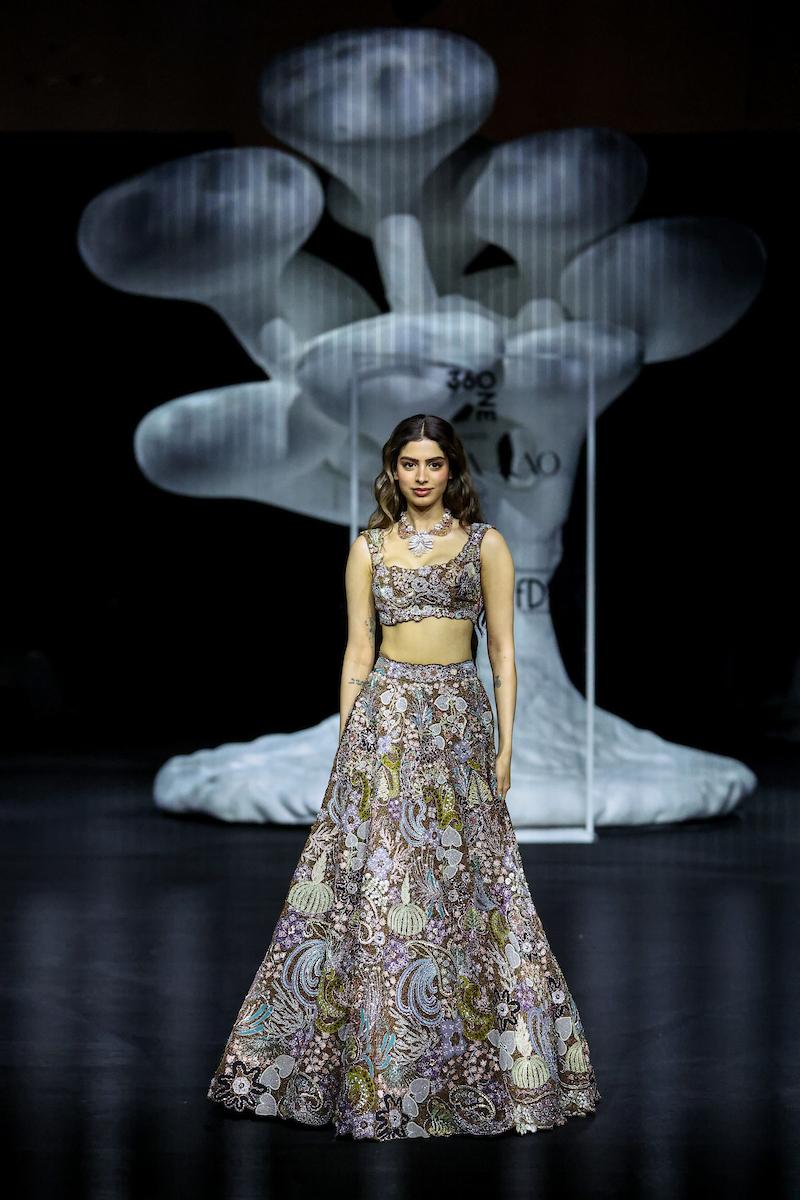
Designer Aisha Rao’s Spring/Summer 2026 collection, Inter-Hana, set the tone with a poetic interplay of cultures. Drawing from Japanese artist Fumi Imamura’s abstract floral language, Rao translated botanical forms into layered appliqués, engineered textiles and fluid silhouettes. The collection explored the beauty of “in-between” spaces, with Khushi Kapoor as a showstopper, in a lehenga embodying the in-house craft and textile innovation.
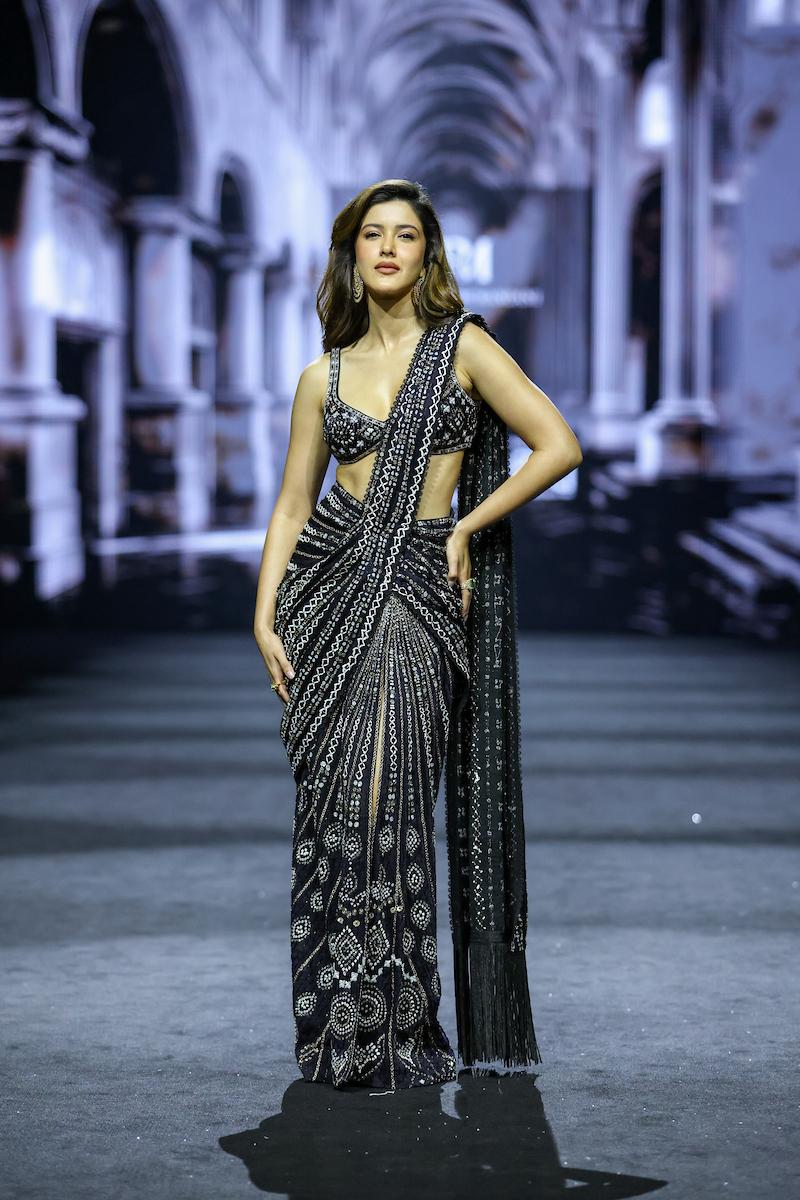
Designers Ritika Mirchandani and Bhumika Sharma offered distinct yet complementary interpretations of modern femininity. Mirchandani’s Confluence explored harmony through contrasts—florals and geometry, softness and structure—creating garments that felt fluid yet controlled. Shanaya Kapoor displayed that beautifully as the showstopper in a black and silver saree, carrying Ritika Mirchandani's signature aesthetic.
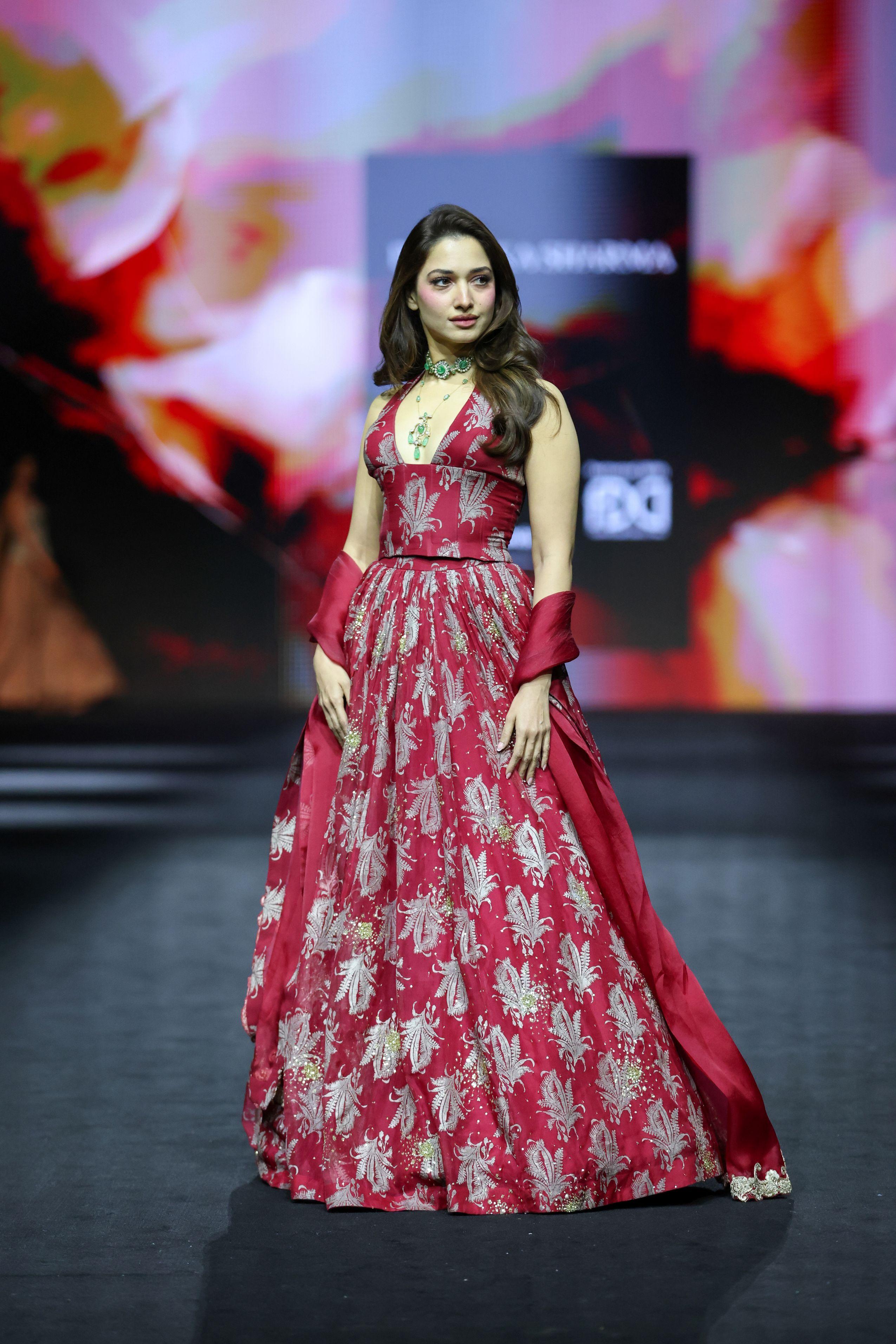
Meanwhile, Bhumika Sharma’s Afterglow leaned into romance and texture, with metallic embroideries, 3D florals and statement silhouettes designed for a new generation that embraces both tradition and individuality. Tamannaah Bhatia, in a deep red lehenga with a corset blouse, closed the show.
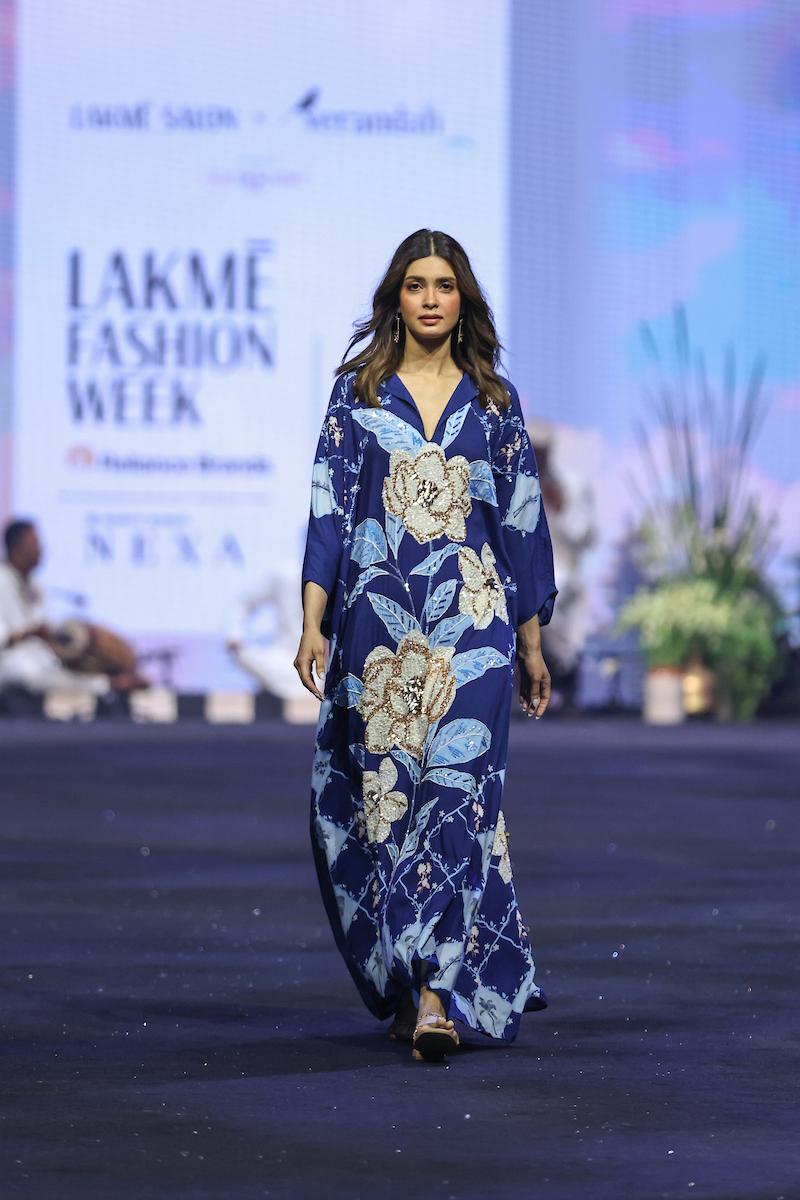
One of the most immersive showcases came from Lakmē Salon in collaboration with Verandah by Anjali Patel Mehta. Indigene merged hair artistry with fashion, presenting a nuanced take on modern Indian beauty—sun-warmed, textured and effortlessly radiant, that perfectly complemented the free-spirited collection of the designer.
(Also Read: Lakmé Fashion Week x FDCI 2026 opens with a dialogue between craft, concept and culture)
Verandah’s collections, Ammama and Bejewelled, drew from personal memory and the heirloom aesthetics of her grandmother, whose garden evoked a place of wonder for the designer growing up. Models walked in flowing silhouettes and breezy separates featuring botanical motifs inspired by magnolia blossoms, Nilgiri flora and traditional rangoli patterns, crafted in soft linens, silk-cottons and airy fabrics. Hand-illustrated prints in leaf greens, aqua blues, sunlit pastels and delicate florals brought alive the ease of tropical summers, capturing the romance of gardens, travel and slow living, elevated by live music and Diana Penty as the showstopper who walked the runway in a blue floral kaftan.
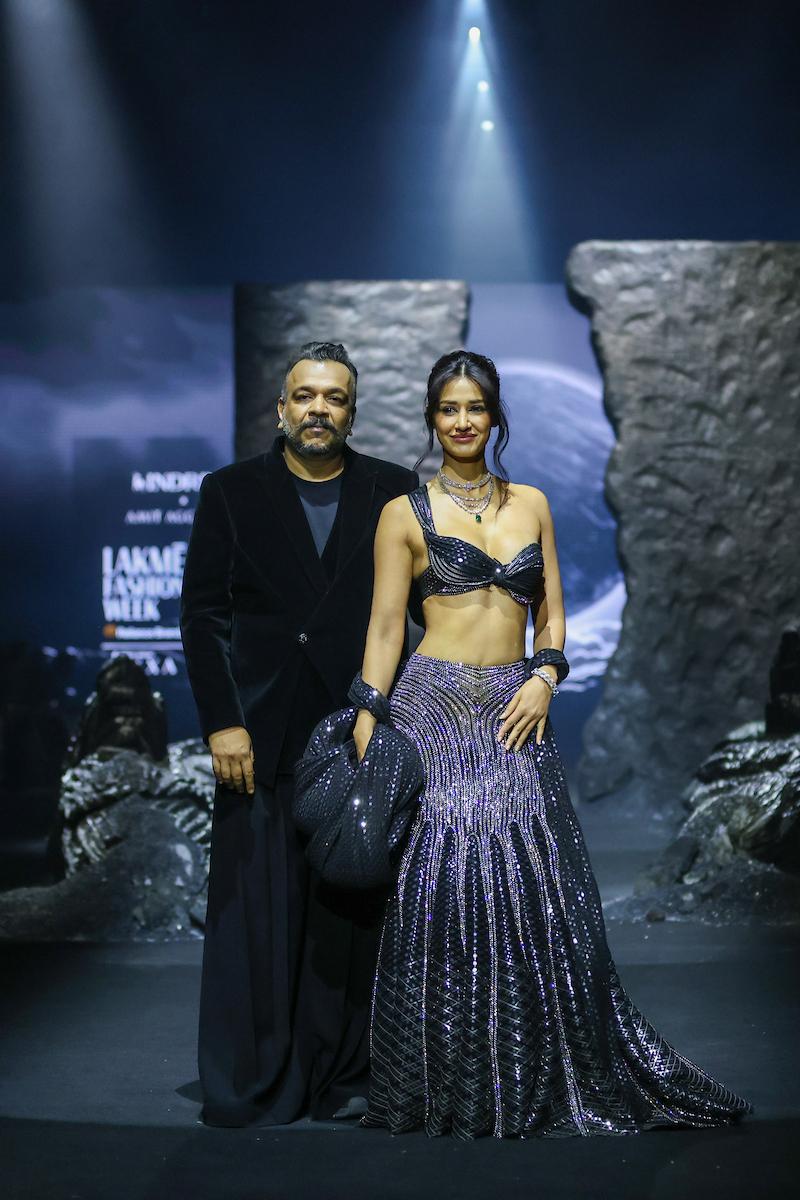
A strong thread across the week was the reinterpretation of Indian heritage through a modern lens. Indriya’s collaboration with Amit Aggarwal, Orizon, explored transformation through sculptural garments paired with reimagined Polki jewellery. By combining vintage Banarasi textiles, mirror work and innovative jewellery settings, the showcase positioned tradition not as nostalgia, but as a living, evolving force. Disha Patani, the showstopper, personified the modern-meets-traditional magic in a black lehenga.
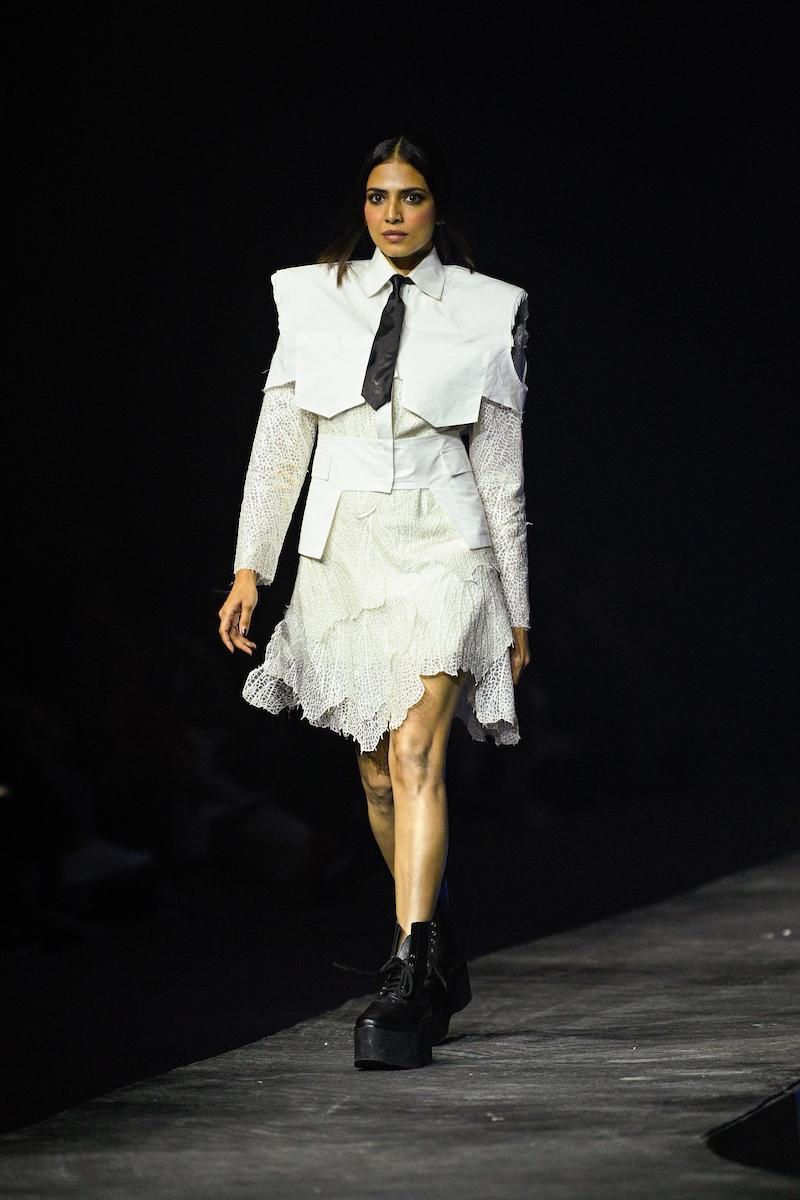
Cross-cultural narrative extended into other showcases on the final day as well. NEXA Spotlight winner Anurag Gupta presented The New Primitive, a collection that examined the coexistence of nature and technology with Malavika Mohanan as the showstopper. Inspired by Japanese artist Utagawa Kuniyoshi, Gupta’s work stood out for its material experimentation—plasma-treated textiles, engineered jacquards and architectonic silhouettes that reflected a future where sustainability and science evolve together.
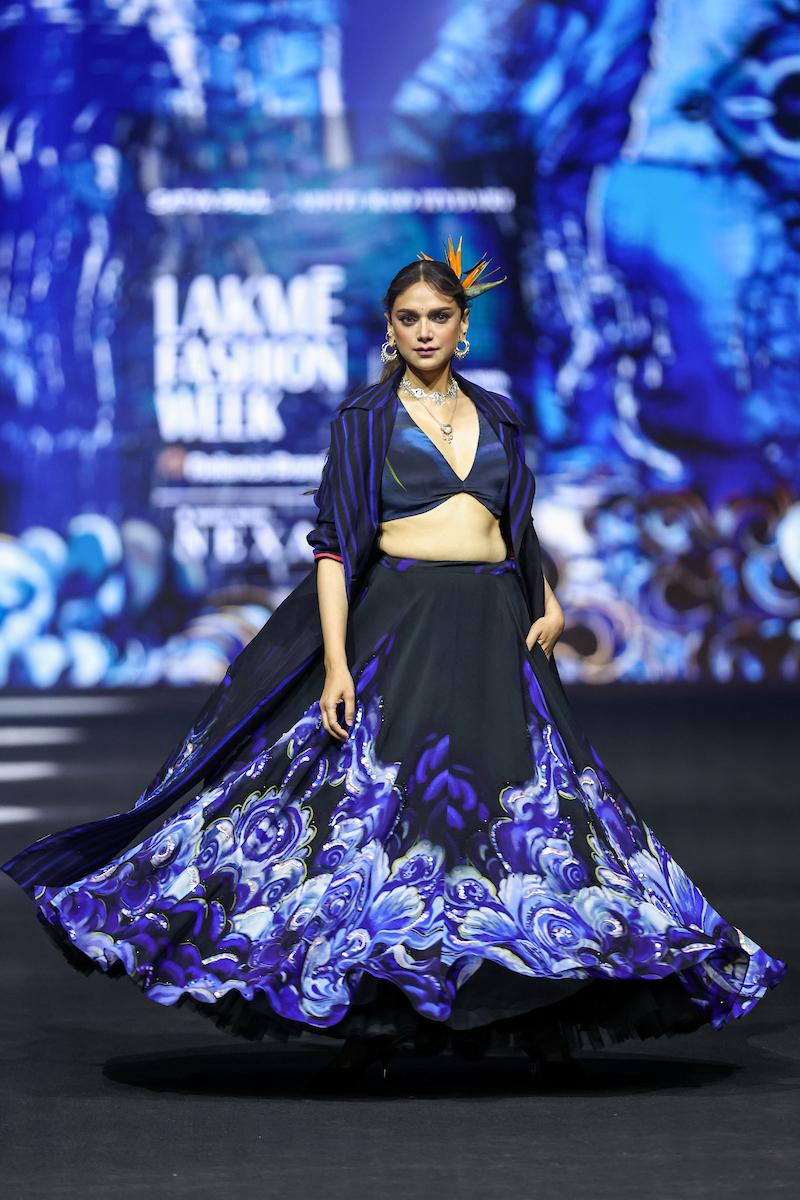
Similarly, Satya Paul’s collaboration with Aditi Rao Hydari brought a fresh perspective to the saree. Marking her debut as Co-Creative Director, Hydari infused the collection with fluid drapes, vibrant prints and contemporary layering, which balanced artistic storytelling with wearable versatility. Aditi Rao Hydari also walked the ramp as the showstopper in a black ensemble with large blue floral patterns in true, signature Satya Paul style.
Closing the week, the grand finale by Lakmē and péro brought the focus firmly onto the modern working woman. With Lakmē’s 9to5 Hya Beach Edit paired with péro’s Out of Office collection, the showcase explored the duality of ambition and escape office structure, meeting holiday ease in two-toned pieces immersed in song and movement. Minimal silhouettes, handcrafted textures and a narrative of fluid self-expression defined the presentation, with actor Aneet Padda, the brand ambassador of the beauty brand, embodying a generation that seamlessly moves between work and personal freedom.
Across the final days, Lakmē Fashion Week x FDCI presented a compelling vision of Indian fashion today, one that is conscious yet luxurious, experimental yet rooted, and deeply personal yet globally relevant. Whether through material innovation, cultural storytelling or evolving definitions of femininity, the runway reflected an industry in transition—confidently shaping a future where craft is not preserved, but continuously reimagined.
(Also Read: Best dressed at the HELLO! Hall of Fame Awards 2026)