- Home
- Fashion
The society of suitmakers gentlemen’s club
The parlance of men’s tailoring is rooted in proportion, construction, and craftsmanship. Five founders behind bespoke luxury menswear brands decode why the making of a precise suit begins with the connoisseur, long before it reaches the cloth
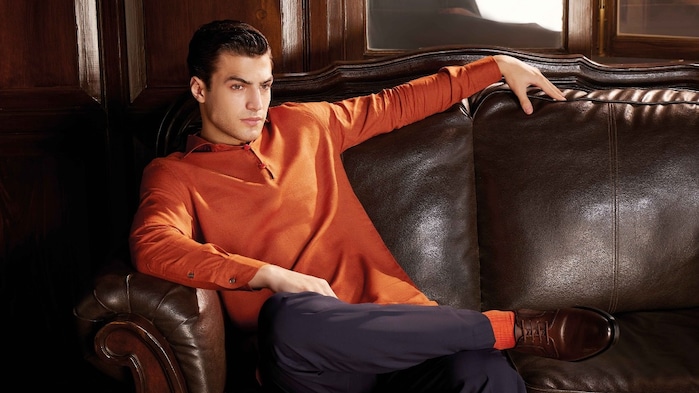
Remember the scene from PJ Hogan’s Confessions of a Shopaholic, in which finance editor Luke Brandon visits a high-end boutique with Becky Bloomswood to pick an outfit for a charity gala? Becky expects her thrifty, strait-laced boss to be clueless beyond the world of numbers, but Luke navigates the store like a seasoned pro, casually requesting a three-button size 48 regular tuxedo, a white dress shirt, a blue alternative, and size 10 black Venice shoes.
“You speak Prada?” fashion-obsessed Becky is flabbergasted by his effortless listing of tailoring specifications. Luke replies, “Occasionally. I’m aware of how good clothes make a strong impact.”
He couldn’t have been more apt. In an industry that traditionally kept the spotlight trained on silhouettes for women alone, the conversation on menswear has, finally, gathered momentum.
That brings us to London’s Savile Row, the Mecca for custom-made men’s suits and a training ground for cub designers.
With the British leaving behind an enduring legacy of fine men’s tailoring in India — Syed Bawkher & Co. in Chennai, Barkat Ali & Brothers in Kolkata, and Vaish at Rivoli in Delhi as their finest heirs — the esteemed space is now the playground of a new wave of first-generation entrepreneur-cum-tailors.
Five such sartorialists, who boast confident, cool, and subtly sharp craft, open their ateliers to HELLO!.
THE ACTOR’S OUTFITTER, OWAIS SHAIKH, OSBYOS
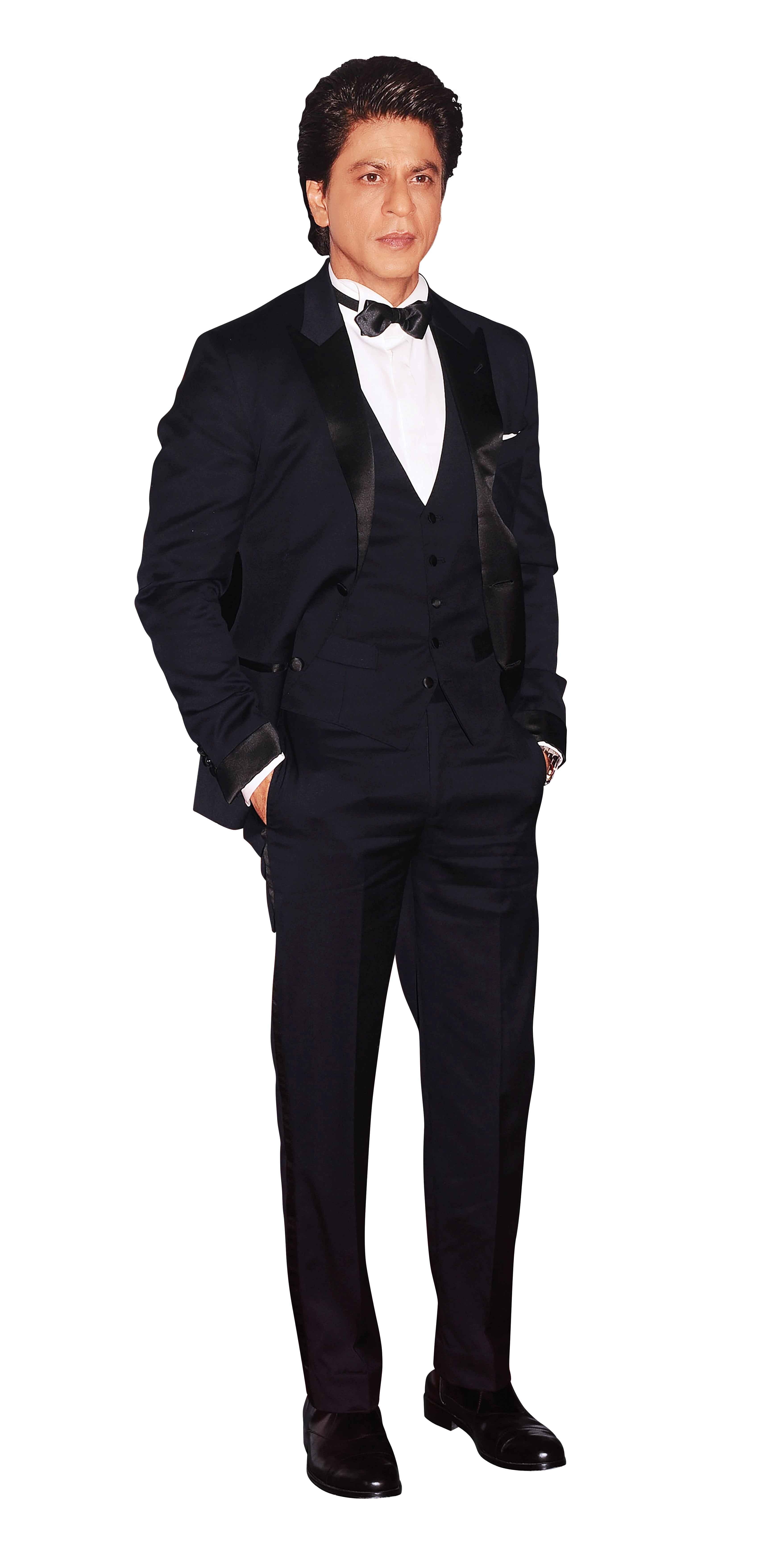
For someone whose bespoke creations regularly feature in the wardrobes of A-listers — from Shah Rukh Khan and Kartik Aryan to Vicky Kaushal, Virat Kohli, Ranbir Kapoor and Ayushmann Khurrana, to name a few — Owais Shaikh keeps a strangely low profile. He’d rather his dramatic tailoring at OSBYOS take centre stage.
“The drama can come through proportion, silhouette, fabric, texture, and attitude,” he says. “One of my biggest lessons at Ermenegildo Zegna, where I started my design career, was that the best tailoring should look effortless. You may see a beautifully cut jacket and think, ‘That looks simple.’ But behind it is an enormous amount of discipline, artistry, and technical expertise — the shoulder, balance of the jacket, roll of the lapel, placement of button... Every detail matters.”
His stints at Zegna and Tom Ford, taught him to craft precise and sharp silhouettes that also reinforce the importance of fabric in his mind.
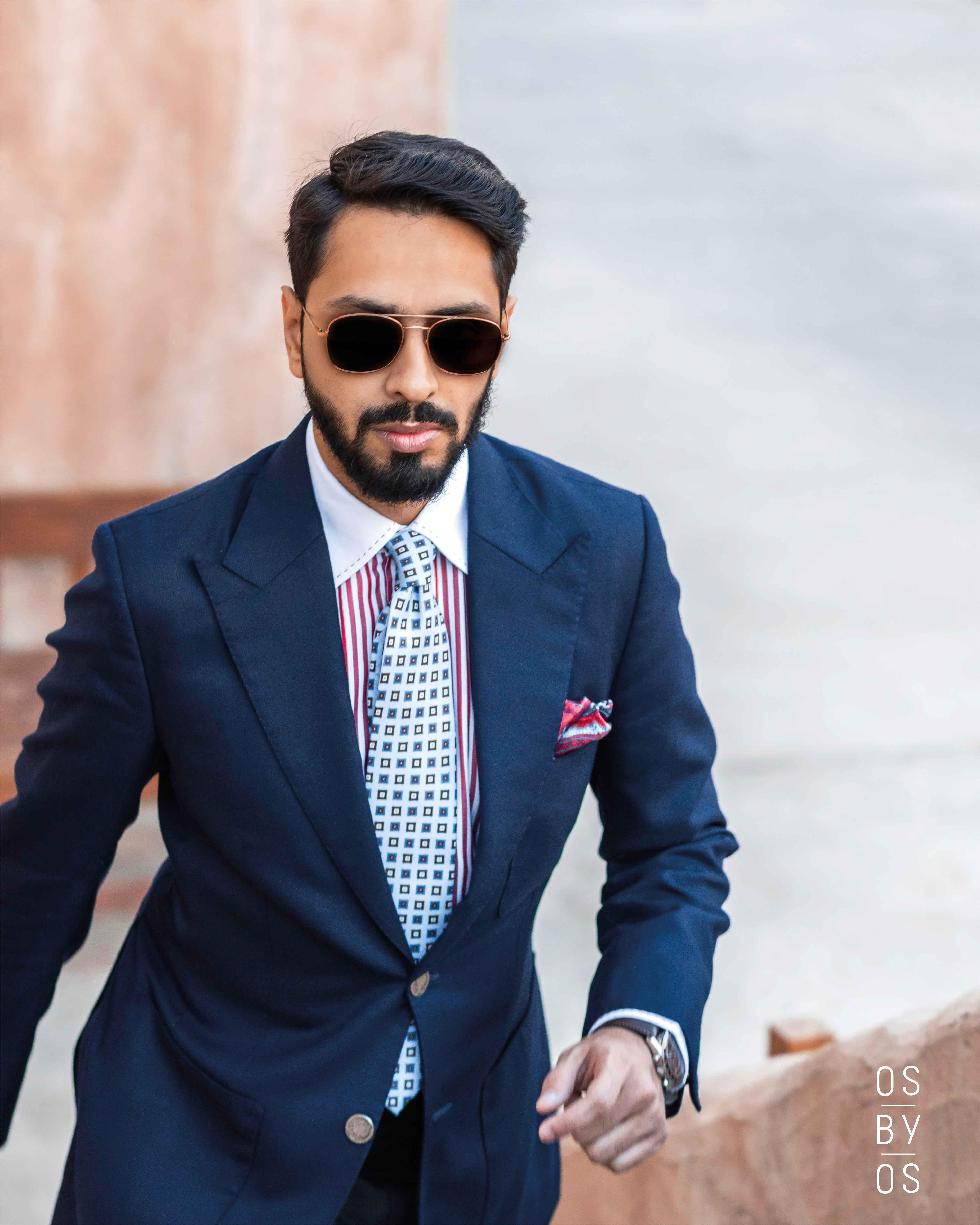
“I began looking at tailoring as a combination of architecture, craftsmanship, and personal expression, says the aesthete, who aspires to dress Lapo Elkann, Director of Ferrari. “He has worn every colour and combination in suits. So, it will be interesting to create something out-of-the-box for someone with such an amazing sense of style.”
Tailoring for movie stars has also taught Owais that dressing an actor isn’t just about putting him into a beautiful garment. He adds, “I learnt to pay attention to their needs. Before I started making suits for Shah Rukh Khan, I listened to him patiently. That conversation helped me understand how serious he is about clothes and fit.”
The conversation also moved from, “what is fashionable?” to “what suits me?” This helped him edit — a vital segment of luxury fashion — while retaining the classical elegance in his creations characterised by his signature balance of proportions and ergonomics.
MORE THAN ONE WORLD, ABHISHEK ADVANI, ADVANI LONDON
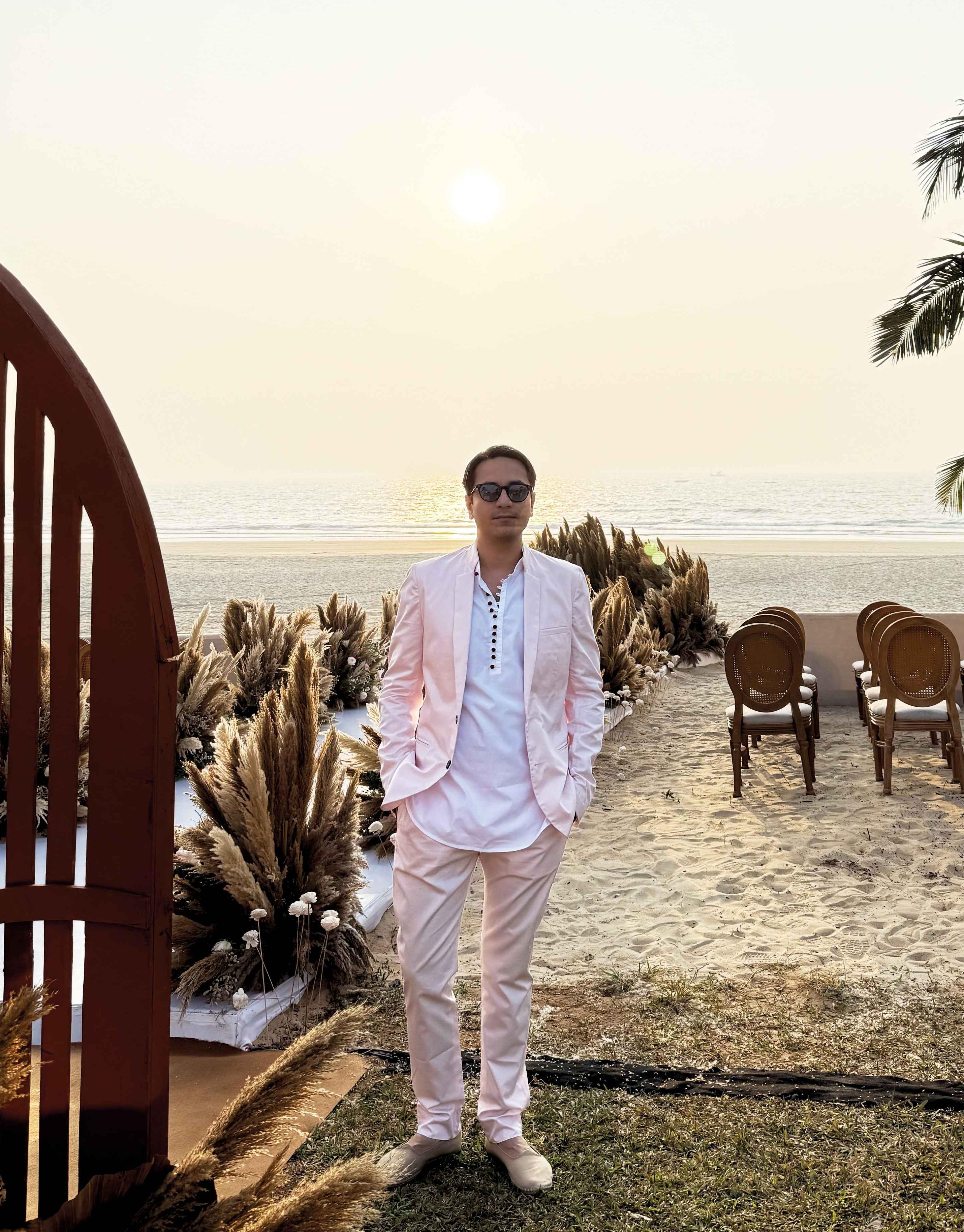
A young Abhishek Advani often visited Shanghai Tang, a Chinese-inspired boutique in Central London that had made an entire culture desirable to the rest of the world. He remembers thinking, “Where is India’s version of this?”
For the Founder of Advani London, menswear was the obvious place to start, partly because he had always been quietly obsessed with it, but primarily because tailoring is couture for men.
“If you want to prove you belong in this world, that [tailoring] is where you go first,” says Abhishek.
This philosophy shapes not just his atelier but also its signature piece — the Bombay Jacket, which Wall Street Journal described as the unmistakable marker of the confident rich that has been worn by the likes of Hollywood actors Pedro Pascal, Eddie Redmayne, and Jason Statham.
His aesthetic, the designer adds, combines the precision of English tailoring — sharp construction, distinctive silhouettes, and restraint — with the textile and craft legacies of India, marked by richness of colour, hand, and history.
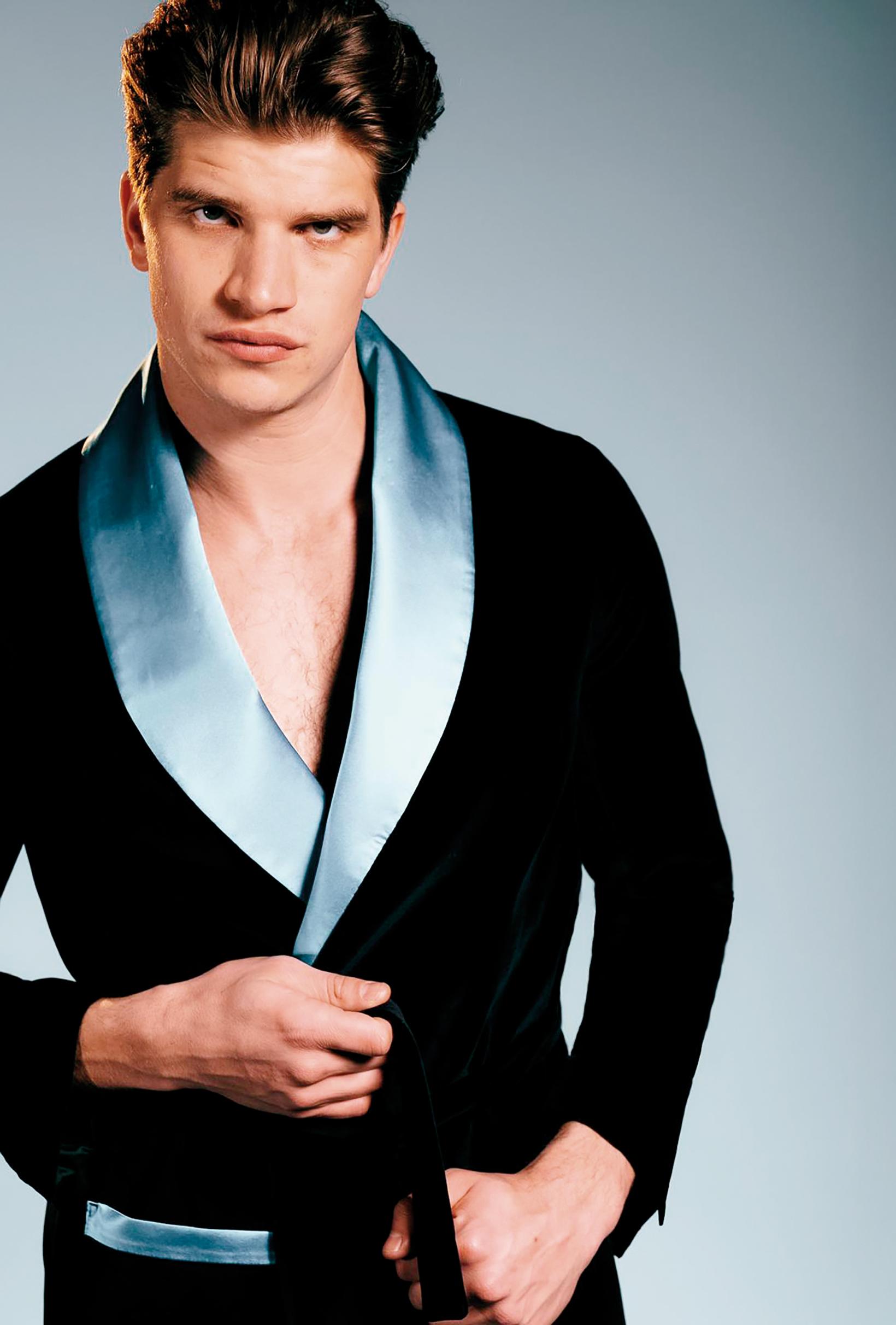
“Together, they produce something neither tradition could arrive at alone: a wardrobe as considered as it is confident, equally at ease in London and Mumbai because it never really chooses between the two of them.”
And then he surprises us with his academic background. “I trained as a lawyer, though it’s a more fitting transition than it sounds. Both disciplines run on precision and an obsessive eye for detail, just applied to different materials!” he laughs.
Speaking of the men whose dressing styles, Abhishek admires, he reveals, “Arvind Vijay Mohan and Amin Jaffer, both from the art world, are two people I find genuinely inspiring in their choice of dress. Ishaan Khatter and Vedang Raina always wear something worth a second look. And on the global red carpet, Timothée Chalamet and Jacob Elordi never fail to impress.”
That said, the sartor would love to dress Canadian model and actor Paul Anthony Kelly — it would mean getting to play with the aesthetic of John F. Kennedy Jr, who Abhishek believes is arguably one of the most effortlessly stylish men America has ever produced.
“That particular blend of Ivy League ease and quiet confidence is the kind of wardrobe I’d love to build on!”
RULE OF RESTRAINT, AKSHAY MARVEKAR, BOMBAY SHIRT COMPANY
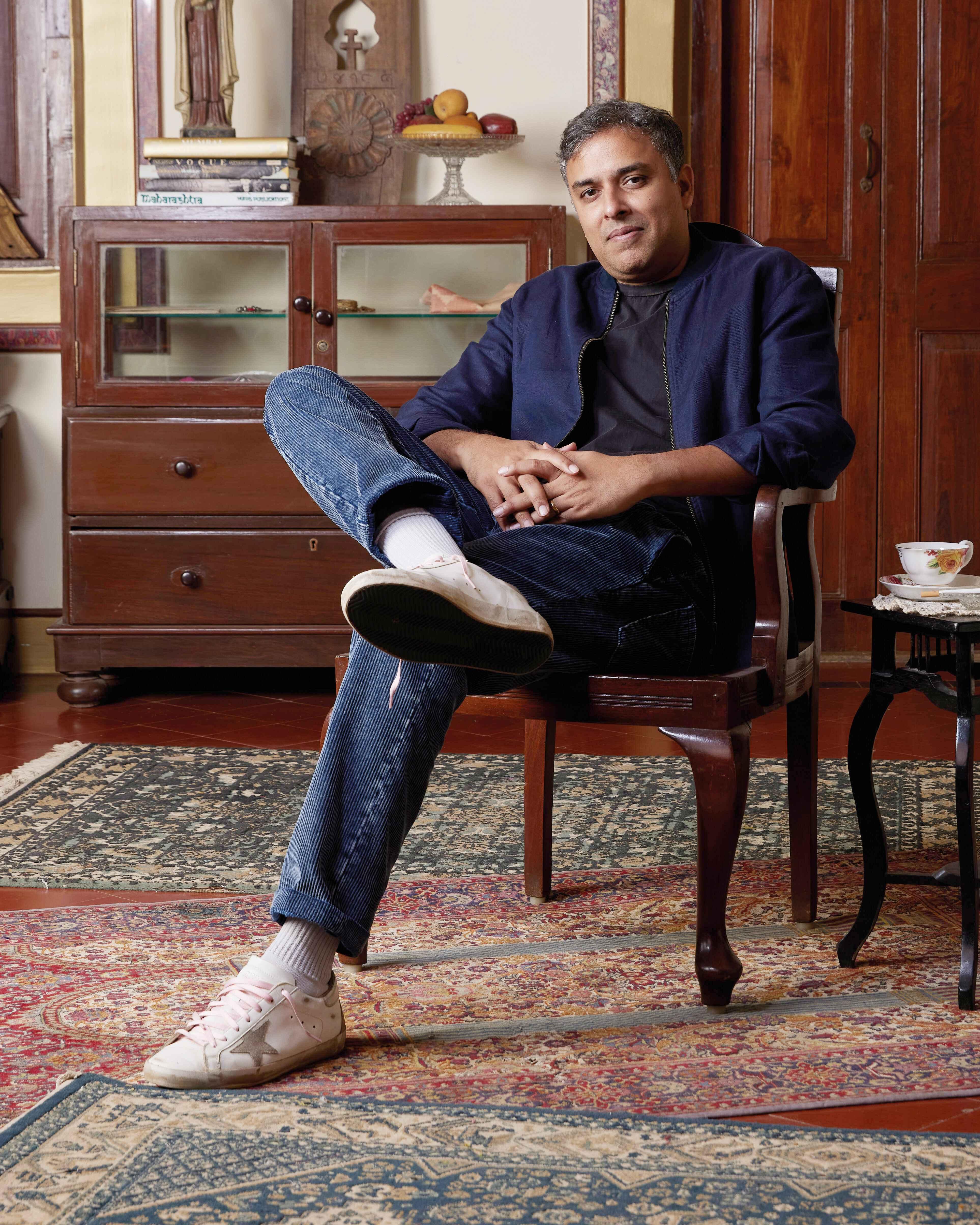
When Akshay Narvekar moved back to India, after working in the US apparel industry, he found himself getting his own shirts custom made because ready-to wear didn’t fit him particularly well.
“I’d visit fabric markets, choose the cloth, trims, collars, and cuffs, and then take everything to a tailor. I enjoyed designing, but the process was cumbersome. So, I pondered over an easier alternative.”
That became the starting point for Bombay Shirt Company. What really excited Akshay wasn’t tailoring for its own sake but the idea of giving people the ability to design something that felt personal to them, while making the experience simpler and more accessible.
“In India, we tend to use a very practical vocabulary around tailoring: fit, fabric, collar, cuff, cut, etc. The global bespoke world has a more specialised language around construction and craftsmanship.”
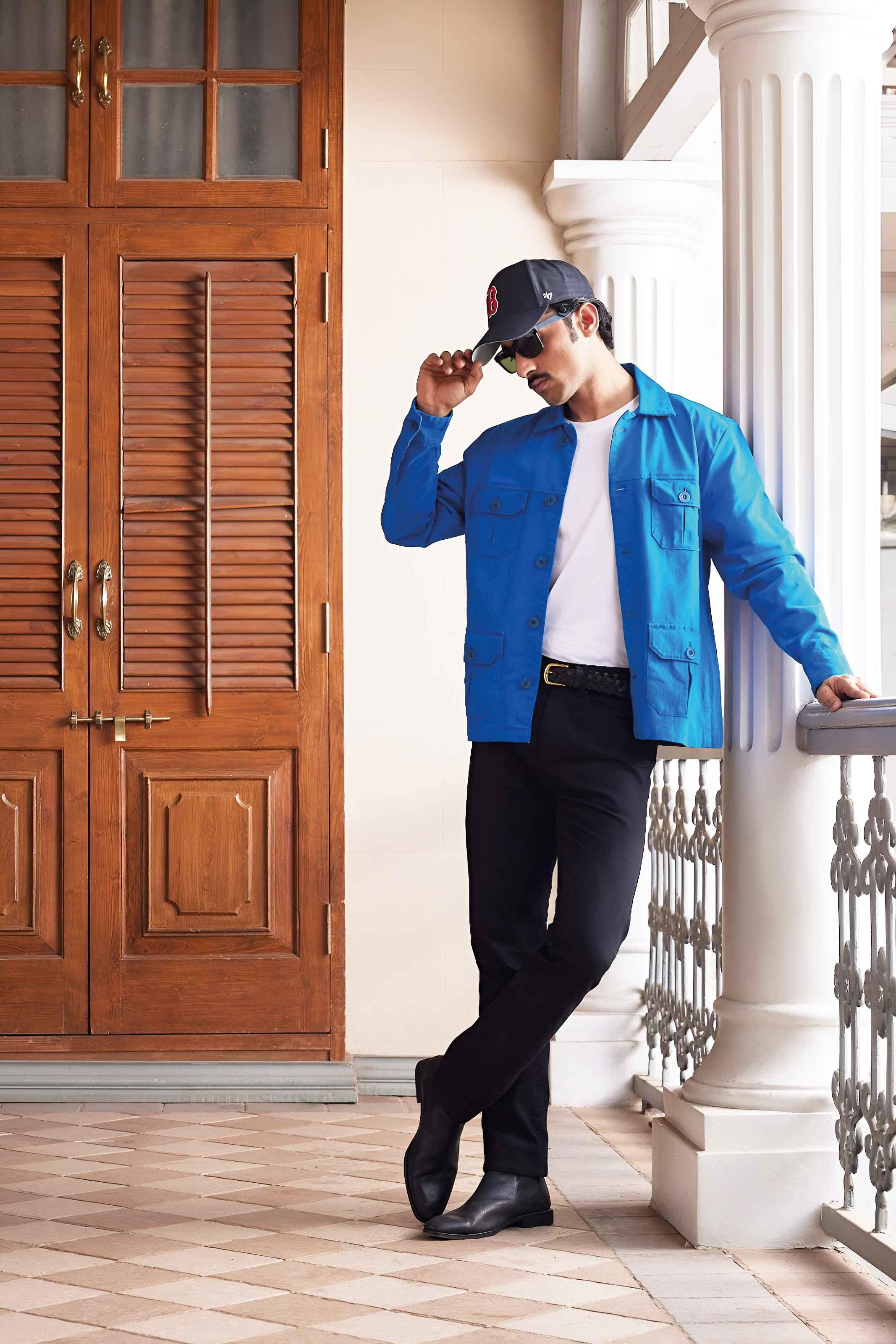
When you walk into Bombay Shirt Company in Mumbai or London, you can expect a considered menswear experience: great fabrics, strong attention to fit and detail, and the freedom to make choices based on your personality and lifestyle. Whether you’re looking for a great everyday shirt or a suit for an occasion, the idea is to ensure that you leave feeling like yourself, just better dressed.
“The smallest details — a beautiful fabric, a great fit or an unexpected colour — can make a man stand out without making him look like he’s trying too hard. That balance between individuality and restraint is what we believe in,” says the designer, who admires people for sporting different styles confidently.
“[Like] American musician and Louis Vuitton Men’s Creative Director Pharrell Williams, for how confidently he owns his aesthetic; actor Eddie Redmayne for his classic style with a modern edge; and Spanish football manager Pep Guardiola’s well-tailored, understated, monochrome approach, which I identify with the most.”
HOLOGRAM OF HEFT, ADITYA JAIN, INDIAN TAILORING COMPANY
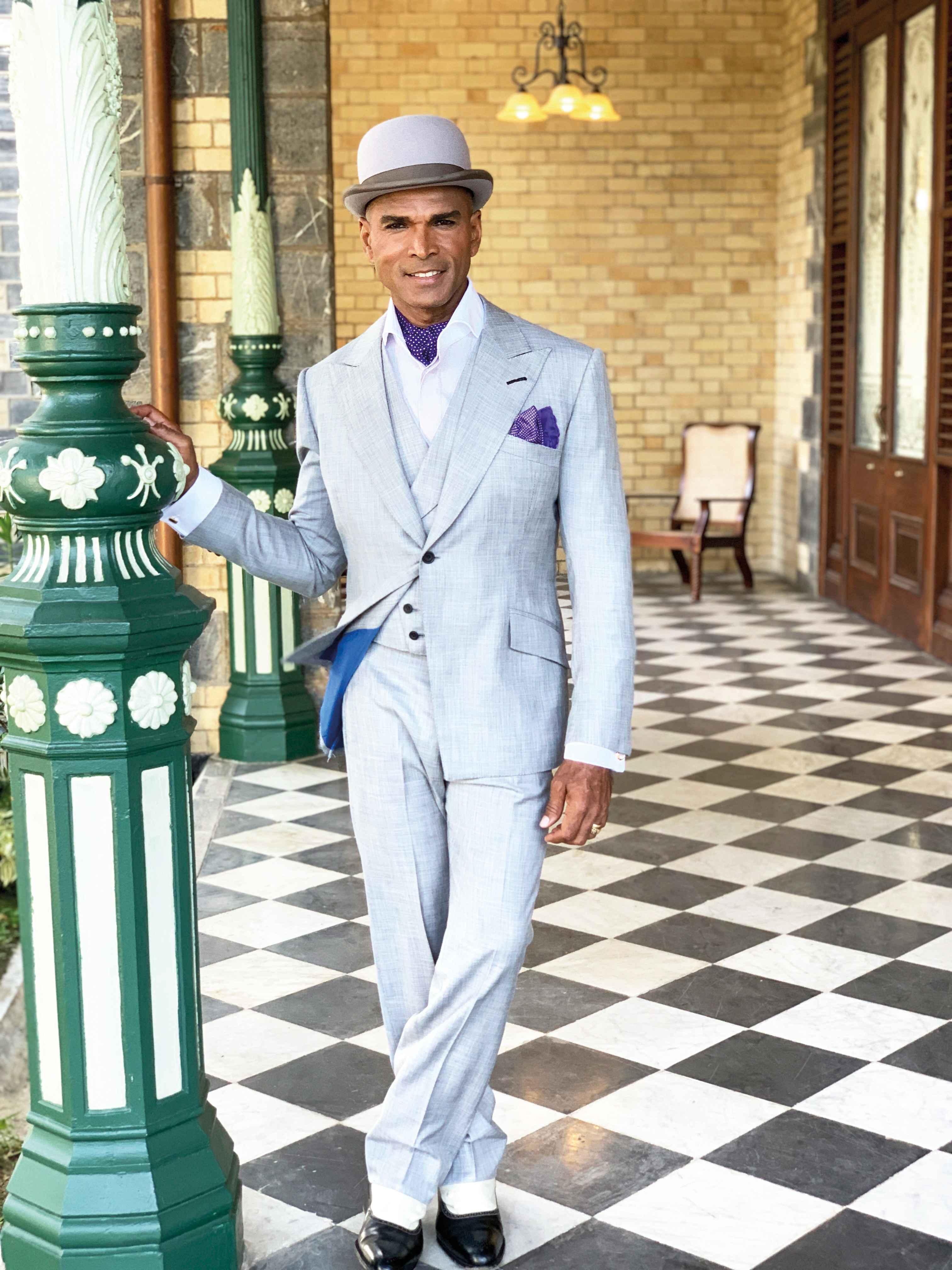
The world of fashion has undergone a massive cultural evolution over the last two decades, says Aditya Jain, Founder of Indian Tailoring Company (ITC). Globalisation, the internet, and social media have erased geographic borders, democratising both style and craft.
“Historically, suit-making was closely guarded in pockets of Italy and England. My time at Savile Row Academy shattered that insular view. I sat alongside fellow students from Japan, South Korea, China, Trinidad, and beyond. We were all united by a single vision: to master the craft and bring authentic bespoke tailoring back to our home nations,” he recalls.
Under the tutelage of Andrew Ramroop OBE CMTT, the founder of the academy and Director of Maurice Sedwell, this young designer absorbed all that he could.
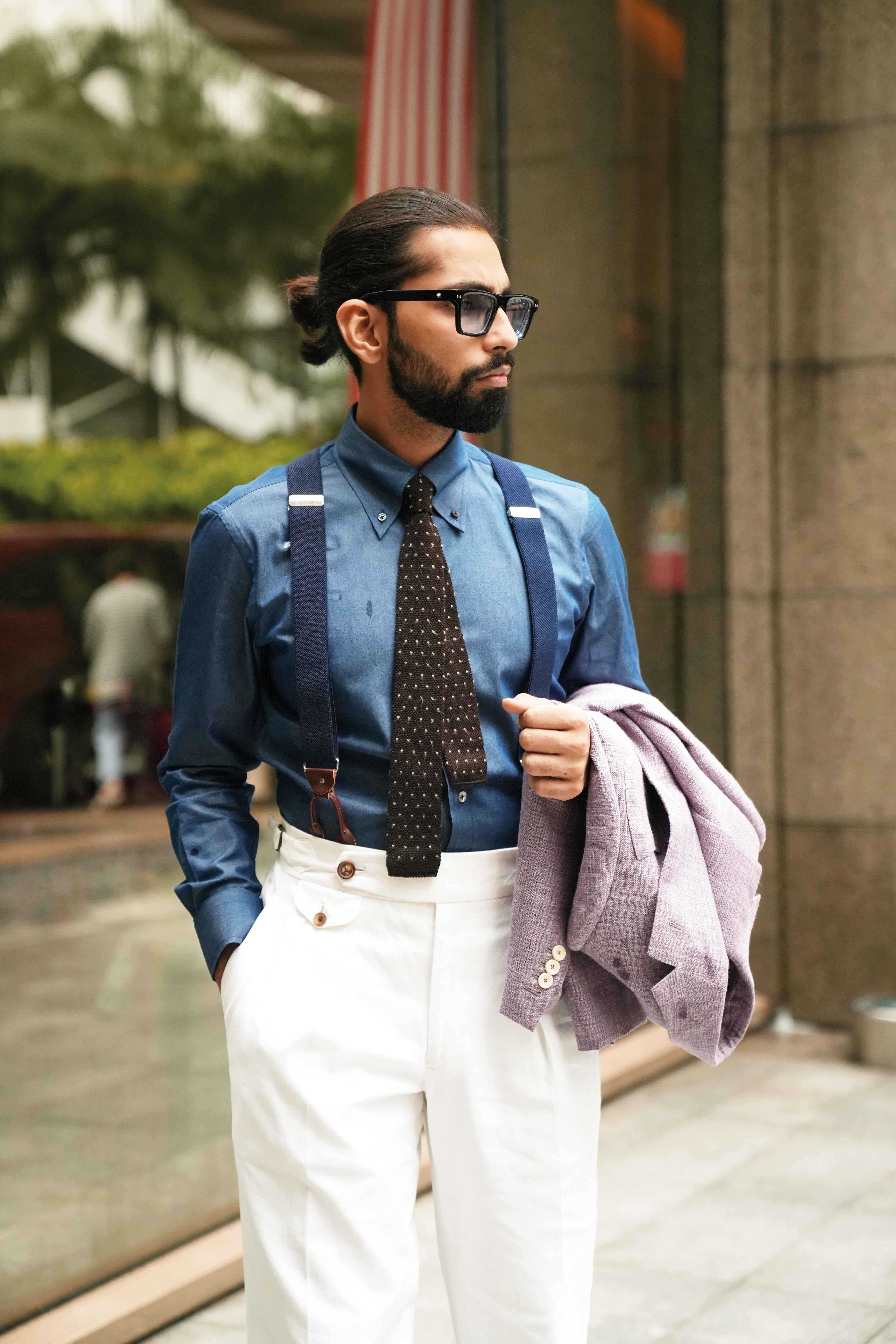
While most ateliers would readily describe their signature form of branding, Aditya says ITC doesn’t have one, choosing instead to define its identity through their signature cut: dramatic, sweeping peak lapels with a lowered gorge, paired with a coat structured with a fuller chest and a distinctly nipped waistline.
There’s also his deep love for colour play — pairing unconventional hues that traditionally clash and then subtly harmonising them through precise pocket squares, linings, or neck-wear.
“Structurally, I constantly experiment with drape, canvas weight, and cloth blends, marrying classic Savile Row architecture with lighter fabric weights suited to modern climates and lifestyles.”
BEYOND TRANSIENT TRENDS, JEET KHATRI & JEET TAILOR, TENASSI
An uncanny coincidence — they share their first name and are also one of Mumbai’s coolest bespoke menswear tailors — Jeet Khatri and Jeet Tailor run Tenassi together.
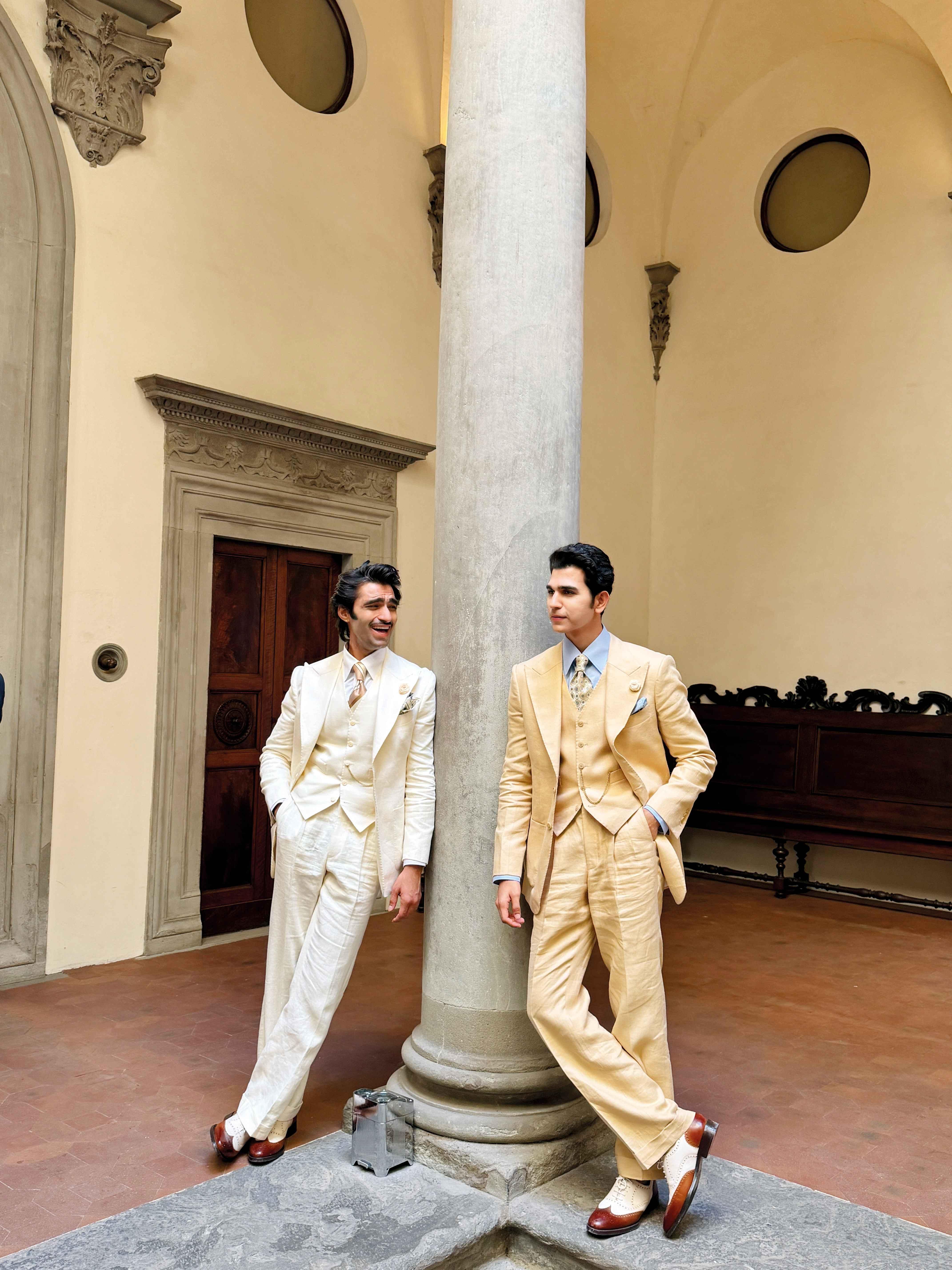
“Tailoring, for me, is identity,” says Tailor, Chief Sales and Marketing Officer at Tenassi. “A beautifully tailored garment has the ability to change how a man carries himself before he even speaks.”
As Tailor immersed himself in classic sartorial menswear, he realised that people often associated the work with rigidity. On the contrary, he argues, there is incredible creativity hidden beneath the discipline.
Every decision has a reason — why a lapel rolls a certain way, why a shoulder sits naturally, why a pocket is placed millimetres higher or lower. The beauty wasn’t in making loud garments. It was in creating something so well balanced that it almost disappeared on the wearer.
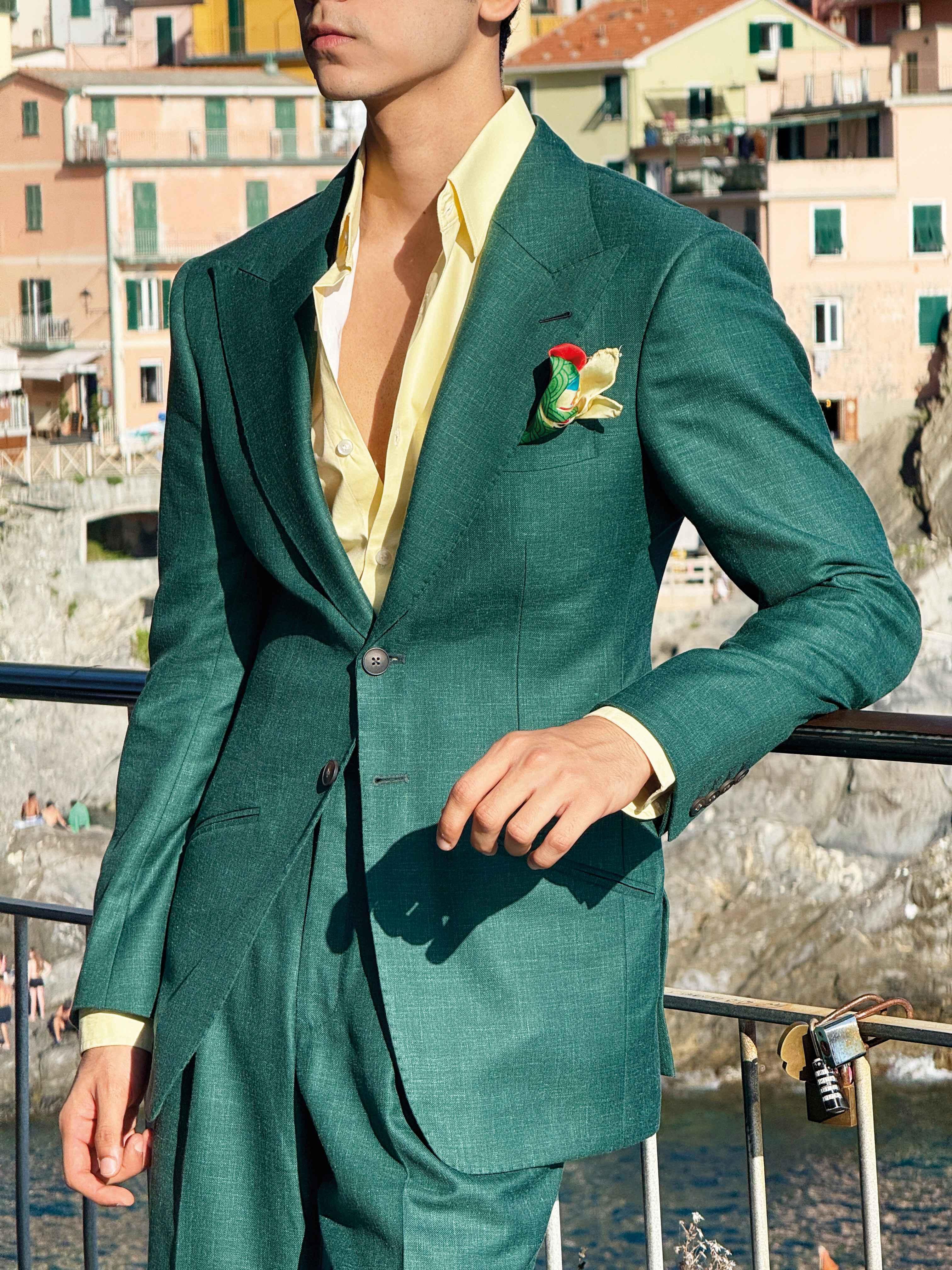
At Savile Row, industry acquaintances from Anderson & Sheppard and Henry Poole & Co. took them through archives, workshops, and historical references to help them understand the art better.
“In India, conversations often revolve around colours, fabrics and trends. At Savile Row, they begin with fit, proportion and construction,” says Khatri, Tenassi’s Founder and CEO.
However, despite their expertise in the field, business didn’t swell from day one. Initially, uninitiated clients didn’t quite understand why bespoke required multiple rounds of fittings or why something handmade couldn’t be delivered immediately.
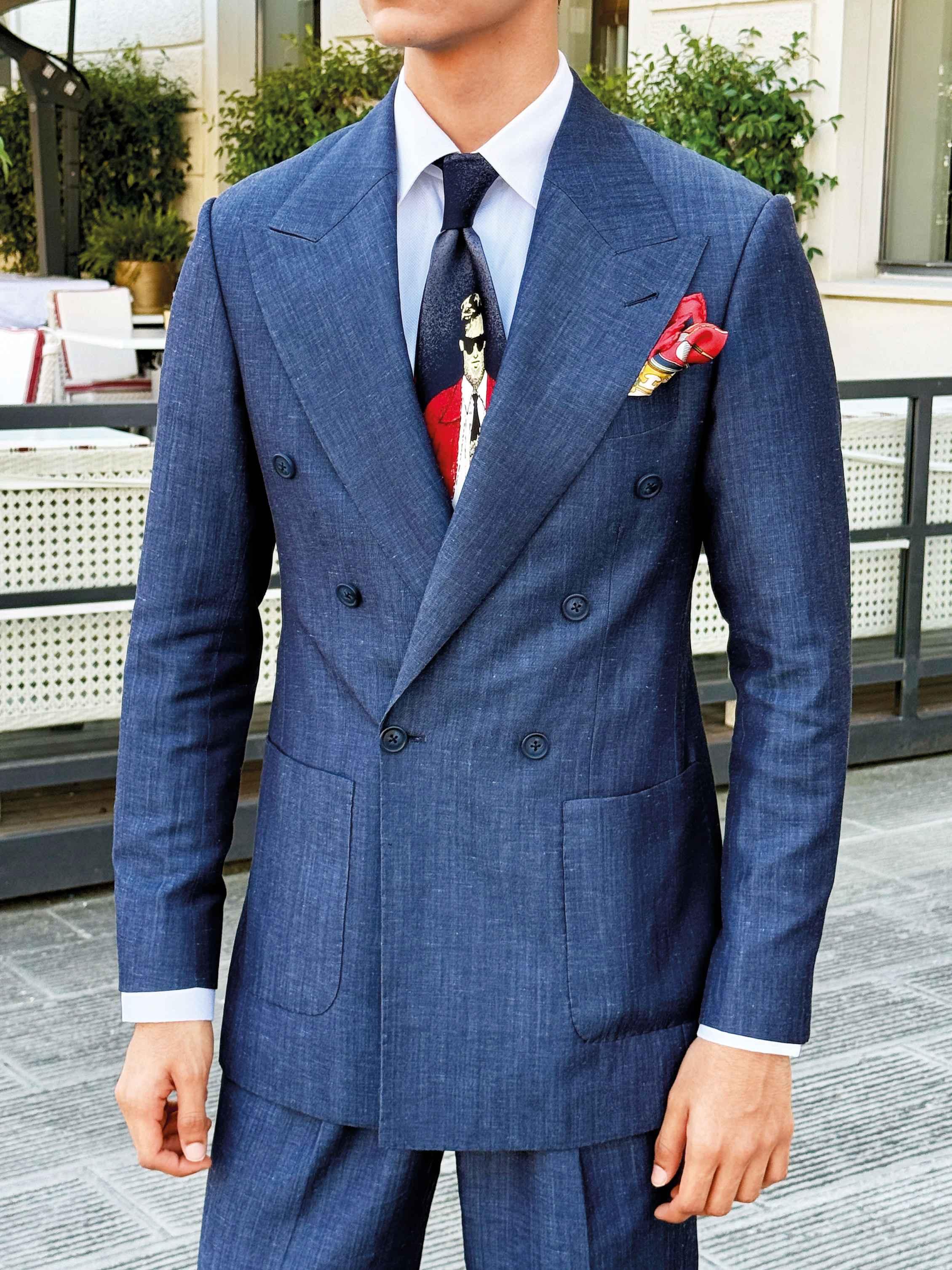
“We explained the process. Once they experienced garments that were genuinely built around their bodies instead of merely altered to fit, they grasped the difference,” Tailor recalls. “Luxury isn’t something you convince people to buy. It’s something they experience.”
As a result, at Tenassi, before fabrics or styles are discussed, they try to understand an individual’s profession, lifestyle, travel habits, how he wants to present himself, and whether he appreciates craftsmanship over logos.
Men today travel more, consume global fashion, and appreciate quieter forms of luxury. Their proportions are perfect, fabrics are exceptional, and fits, impeccable. Softer tailoring with classic foundations — that’s the balance we strive for,” conclude the designer duo, who are inspired by distinctly stylish men like Cary Grant, Gianni Agnelli and Ralph Lauren.