- Home
- Health & Fitness
Flexible, social, sustainable: What India’s fitness blueprint for 2026 looks like
The past year marked a shift away from rigid routines, aesthetic pressure and all-or-nothing mindsets, replacing them with flexibility, community and consistency for the next 365 days ahead


In 2025, India quietly rewrote its fitness rulebook. The year marked a shift away from rigid routines, aesthetic pressure and all-or-nothing mindsets, replacing them with flexibility, community and consistency. Workout habits began to mirror real life—work hours, social calendars and personal energy levels—rather than forcing people into fixed schedules. Insights from cult’s 'How India Moved in 2025’ data reveal a nation learning to move smarter, not harder, setting the stage for a more sustainable, inclusive fitness culture in 2026.
(Also Read: An expert's advice to make a big difference with small changes in your lifestyle)
2025's key fitness findings
-
Monday motivation officially lost its crown, with Tuesdays emerging as the busiest workout day across the country.
-
Fitness activity aligned more closely with real-life schedules, with peak attendance between 7-9 am and 6-8 pm.
-
Mornings and evenings were almost equally preferred, signalling that Indians no longer favour a single “ideal” workout window.
-
Flexible schedules proved more effective than fixed routines, with adaptable users completing more workouts annually.
-
Nearly 37% of users maintained a steady rhythm of 3-4 workouts per week, reinforcing consistency as the new benchmark.
-
Working out became more social, with attendance 26% higher when people trained with a partner.
-
Group-led formats accounted for over 30% of total workouts, with women forming a majority of group class participants.
-
Gen Z gravitated towards straightforward gym workouts, while millennials balanced gym sessions with group classes.
-
Gen X showed a strong preference for instructor-led formats like dance fitness and strength training, clocking higher consistency than younger groups.
-
Members aged 30 and above completed 10% more workouts annually, challenging the idea that fitness peaks in one’s twenties.
-
NCR emerged as the most consistent region, followed by Hyderabad, Mumbai and Bengaluru.
-
A small but powerful cohort showed up every day of the year, including members in their fifties.
What fitness in 2026 looks like
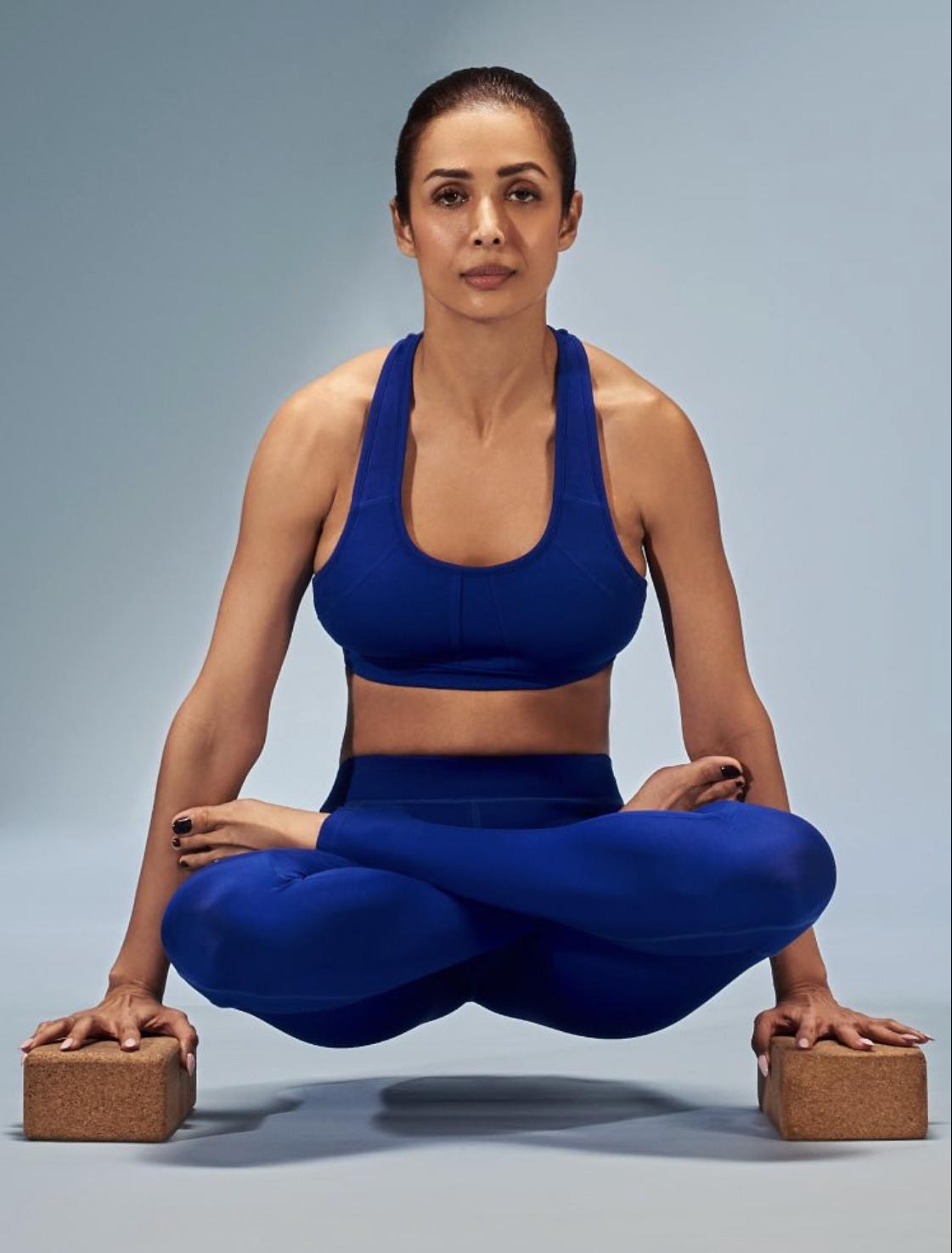
If 2025 was about finding rhythm, 2026 will be about protecting it. Fitness is set to become even more lifestyle-led, with flexible formats, community-driven workouts and realistic frequency taking priority over intensity and extremes. The coming year will likely see a deeper focus on long-term habits, social accountability and age-inclusive programming. In 2026, the goal won’t be transformation; it will be sustainability, where movement fits seamlessly into everyday life and stays there.
(Also Read: HELLO! India Exclusive: Sara Ali Khan on Pilates mornings, power steps, and why consistency is her fitness mantra)