- Home
- Health & Fitness
The future of slimming drugs in India, as told by an expert
GLP-1 drugs are shifting obesity from stigma to science. Dr. Kiran Sethi of Delhi-based clinic, Isyaderm, explains how these therapies can transform metabolic health in India—when used responsibly, medically, and beyond cosmetic weight loss.


The Future of Slimming Drugs - By Dr. Kiran Sethi For decades, weight loss has been framed as a matter of willpower. Eat less. Move more. Try harder. The global rise of drugs like Ozempic has disrupted that narrative — and for the first time, medicine is being honest about obesity as a biological and hormonal disease rather than a personal failure.
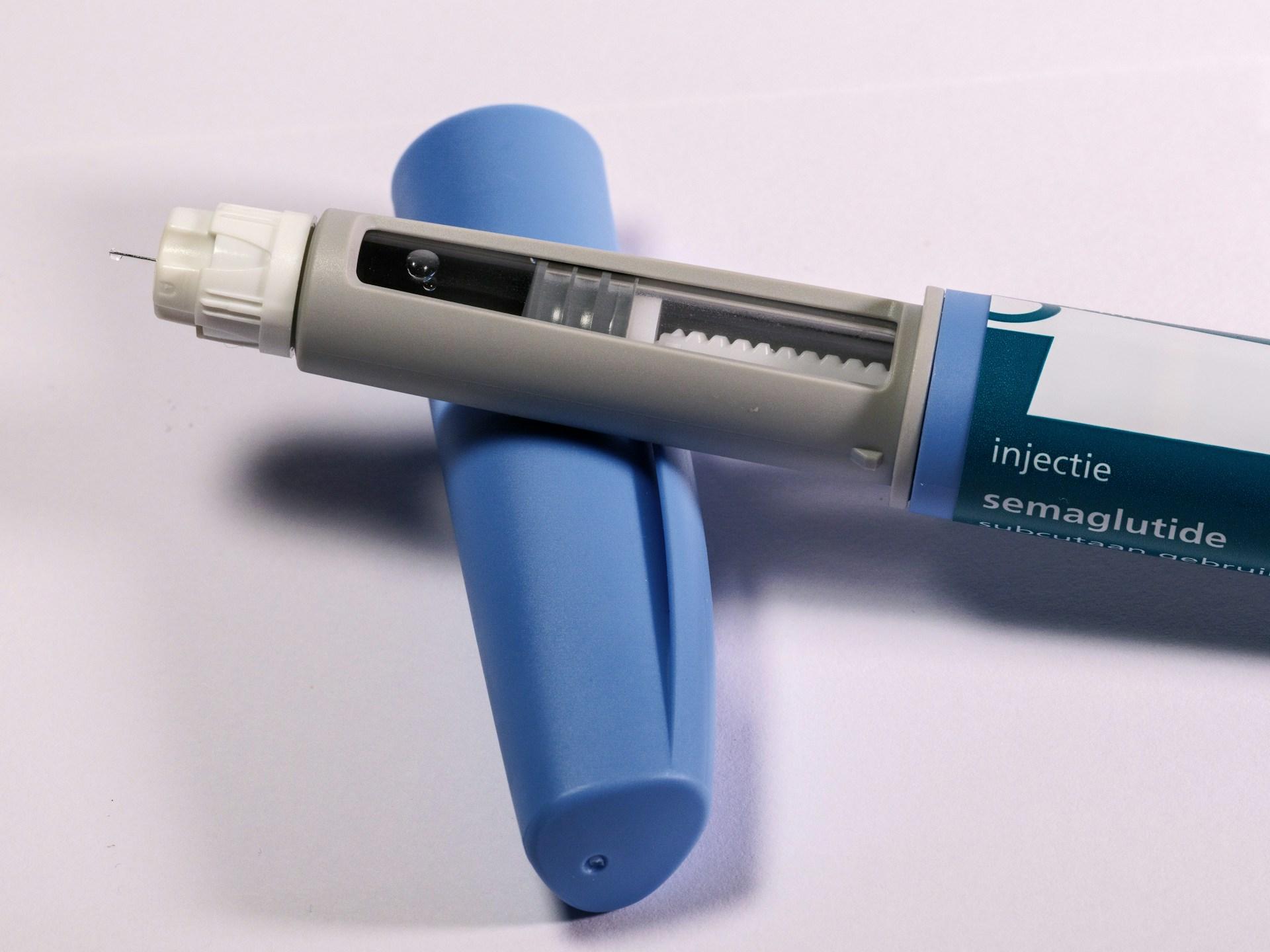
GLP-1 receptor agonists, a class of medications originally developed for type 2 diabetes, have become the most talked-about drugs in the world. Ozempic, Wegovy, and more recently, Mounjaro are now synonymous with dramatic weight loss, celebrity endorsements, and social-media fascination. But beneath the hype lies something far more significant: a genuine medical breakthrough.
GLP-1 is a naturally occurring gut hormone that regulates appetite, insulin secretion, and glucose metabolism. These drugs work by amplifying that signal — reducing hunger, improving insulin sensitivity, slowing gastric emptying, and recalibrating how the brain perceives satiety. The result is not just weight loss, but meaningful improvements in blood sugar control, cholesterol levels, fatty liver disease, inflammation, and cardiovascular risk. This matters profoundly for India. India is facing a silent epidemic of metabolic disease. We are home to one of the world’s largest populations with diabetes and pre-diabetes, yet obesity in Indians looks very different from obesity in the West.
South Asians tend to accumulate visceral fat — the metabolically dangerous fat around organs — at much lower body weights. As a result, insulin resistance, dyslipidemia, fatty liver disease, and cardiovascular risk often appear at BMIs that would be considered “normal” by Western standards. A BMI of 23 or 24 in a South Asian individual can carry the same metabolic risk as a BMI of 27 or 28 in a Caucasian population. Traditional global BMI cut-offs have therefore delayed diagnosis and intervention in our region. In this context, GLP-1 therapies are not cosmetic slimming aids; they represent an opportunity for earlier, medically meaningful treatment.
Despite this, fear around these drugs remains widespread in India. Concerns about blindness, Ozempic face, nausea, vomiting, gallbladder disease, pancreatitis, and even cancer circulate freely — often magnified through WhatsApp forwards and social media without nuance or context. The reality, in clinical practice, is far less alarming.
The most common side effects of GLP-1 drugs are gastrointestinal and dose-dependent, particularly during early titration. When dosing is rushed or pushed too high, or when patients continue to eat highly processed, high-fat or high dairy diets, side effects increase. When prescribed thoughtfully, they do not.
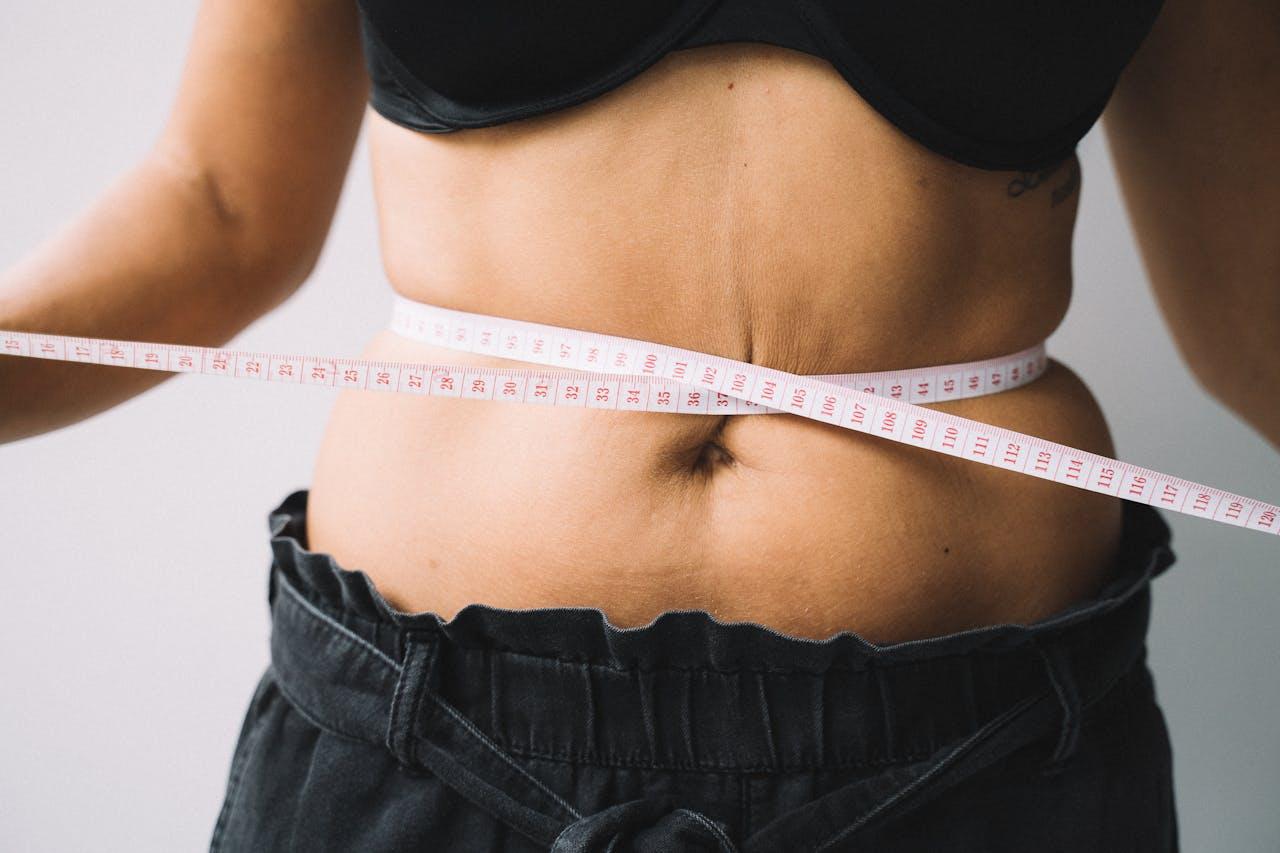
In our medical weight-management practice, we see relatively few significant side effects. That is not by chance. Medication dosing is kept at the lowest effective dose that still delivers results. Patients follow structured GLP-1-specific nutrition guidelines that prioritise protein, hydration, and meal timing. Equally important, proper monitoring of blood tests and body composition, supplementation with customised supplements and vitamins and lifestyle modification — particularly resistance training — is integrated from the outset to preserve muscle mass, energy levels, and metabolic health. And with respect to Ozempic face or hair loss, we often prescribe proper supplements, skincare and even home devices to keep all the natural aesthetic side effects of weight loss in check.
(Also Read: The beauty trends from 2025 we’re taking straight into 2026)
Frankly, in our experience, many of the side effects attributed to these drugs are not inevitable; they are often the result of incorrect dosing, overly aggressive escalation, or eating patterns that do not support how these medications work. It is also important to recognise how quickly the science of these medications is evolving. We are already moving beyond first-generation GLP-1s. Newer agents act on multiple gut hormones simultaneously. Tirzepatide, for example, targets both GLP-1 and GIP receptors and has demonstrated superior outcomes for both weight loss and metabolic control.
Even more advanced combinations and triple-agonist therapies are in development, aiming for greater efficacy with fewer side effects and longer dosing intervals. For those who are afraid of injections, the oral GLP-1 has just been approved by the FDA! This evolution will be particularly relevant for India, where affordability and long-term adherence matter.
As patents expire and local manufacturing expands, these therapies are likely to become more accessible, shifting them from elite urban clinics into mainstream metabolic care. GLP-1 drugs are not shortcuts. They are tools. They work best when used as part of a comprehensive medical strategy that includes nutrition, movement, sleep, and long-term behavioural change. Weight regain after discontinuation, another fear of patients, can be prevented by maintaining good habits and lifestyle changes. You do not have to be on medicine for life.
The future of GLP-1 therapies is not about chasing slimness. It is about preventing diabetes before it starts, reducing cardiovascular disease, preserving muscle and metabolic health, and finally, treating obesity with the medical seriousness it deserves. With proper monitoring, it can help one make the changes they need to make their life better. For India, these drugs are not a trend. They represent a long-overdue reset in how we approach weight, health, and longevity.
Dr Kiran Sethi, Founder at Isyaderm, is a prominent figure in the field of aesthetics, cosmetic dermatology, and wellness. With an MD degree obtained in the USA, along with a Diplomate and a Masters in Dermatology, Dr. Kiran developed a profound understanding of skin and its various conditions by recognizing the significance of aesthetics.