- Home
- Lifestyle
From run clubs to book circles, young Indians are logging off to reconnect
In an era of digital connectivity, young Indians are now seeking out human connection that isn't on a screen. HELLO! India explores how the next generation is seeking like-minded individuals to build communities through shared interests, from running to reading


In an era of digital connectivity, where friendships are maintained through likes, comments, and online conversations, more and more young Indians are seeking out human connection that isn't on a screen. After a prolonged period of digital dependence during the pandemic and then work; and even leisure hours, being generally resigned to screens, the desire for in-person interaction has accelerated. For the current millennial and Gen Z crop, that isn't in the form of chatting up a friend at the grocery store or grabbing coffee with a colleague. They are now seeking like-minded individuals to build communities through shared interests. This has birthed an influx of running clubs, literary circles, board game meet-ups, and creative workshops; especially in metro cities, as a means to dissipate urban isolation and bring people together with a purpose.
(Also Read: 10 Bollywood-inspired destinations around the world)
The new age of clubbing
Athletic communities especially have successfully leaned into the growing demand for fitness-led social circles. Clubs such as 5 AM Social Run Club in Delhi, The Bhag Club in Mumbai, Delhi, Gurugram, and Jaipur as well as Mumbai's Bombay on Foot and Pudhe Chala host weekly runs and workouts for their community of members. Aimed primarily at new entrants to the cities and working professionals, these spaces have evolved beyond fitness to include community breakfasts, networking, and active lifestyle events.
If activity isn't their cup of tea, words might be as books are becoming a bridge between strangers. Across the country, book clubs have become spaces not only to read together but also to exchange ideas and opinions; primarily about the prose but also about life somewhere in between. Communities such as Mumbai's PaperbackTalks and Delhi's Kitaab and Delhi Reads have brought readers together, whose conversations on life, culture, and society often extend far beyond the pages of a book.
(Also Read: 9 destinations celebrities choose for a quiet escape)
Gaming goes offline
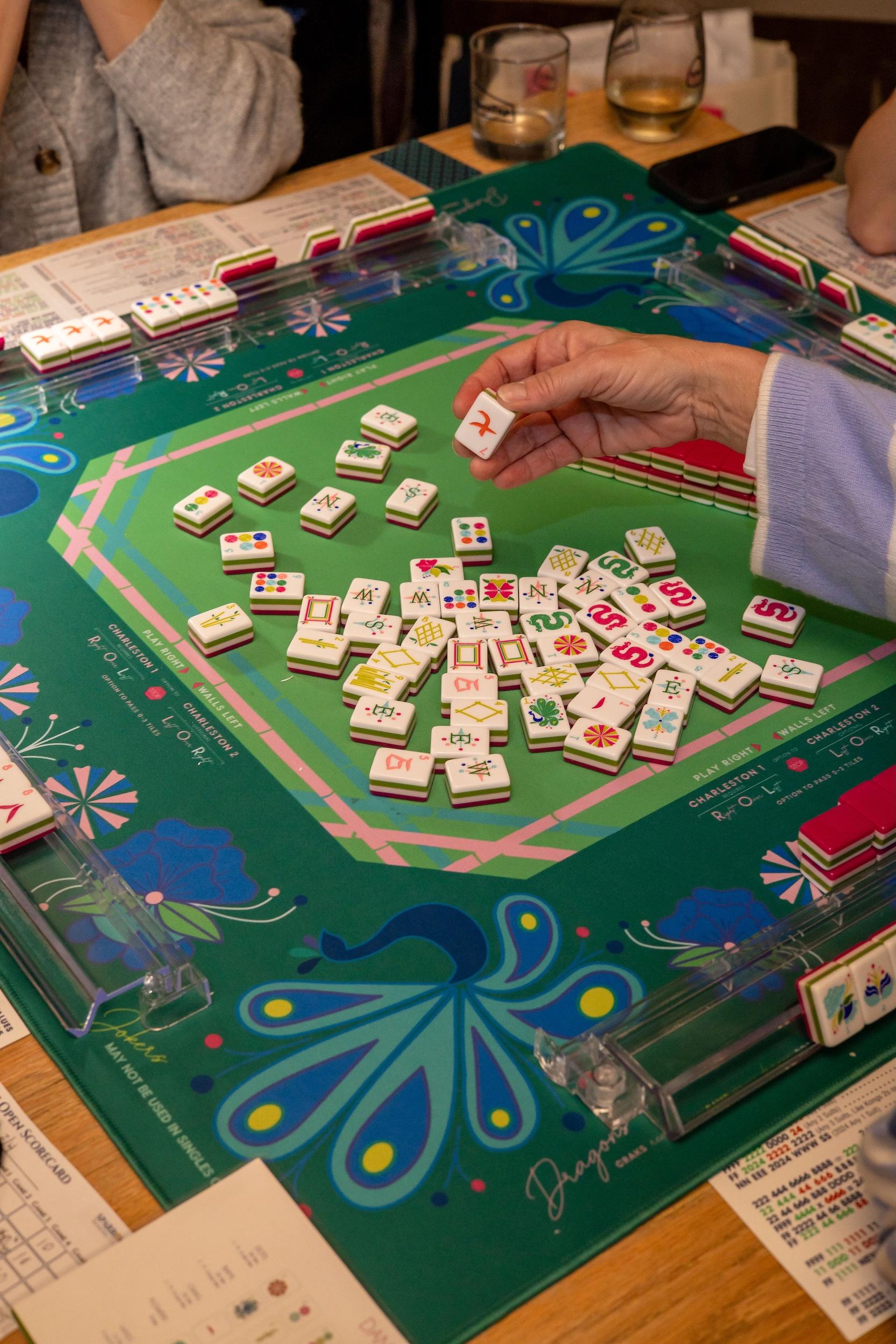
Digital Ludo helped bridge physical distances for millions of Indians during the COVID-19 pandemic; a reminder of how a simple game could dispel distance and boredom for many over months. That spirit continues offline today through games such as Mahjong, Tambola, and even a deck of cards. While these gatherings replace idle conversation, they also spark friendly, engaging competition and intellectual stimulation while creating opportunities for people to socialise.
The growing popularity of the Chinese game Mahjong has swept over Indian metros and is gradually making its way into Tier-2 cities. Beyond the movement of tiles, the game has become a platform for networking, intergenerational bonding, and building a sense of belonging within apartment communities. The classic game of Tambola remains a timeless favourite at family gatherings; bringing together everyone from the youngest to the oldest members for a little friendly competition. Equally enduring is a card game, which continues to fill many a family gathering; be it through an afternoon of Teen Patti with relatives or festive card parties on Diwali nights.
Creativity goes analogue
Experiential workshops such as sip-and-paint sessions, mixology classes, and pottery workshops are steadily replacing a gang of friends visiting the mall to unwind on the weekend. Rather than filling their precious leisure time by idly chugging endless coffees or raking up the bills in retail therapy during their time outside of work, they are using it to serve the dual purposes of bonding as well as skill-building. Young Indians are now seeking purpose behind their social plans, with activities that ease conversation while offering the group a chance to learn a new skill.
Millennial and Gen Z Indians today are swapping endless scrolling for real conversations, shared experiences, and communities built around common interests. The new social trend is simple: put the phone away and reconnect with the world beyond the screen.
Text by Tamanna Jain
Edited by Dayle Pereira-Alemao
(Also Read: 10 celebrities who have embraced country living)
Other topics
Continue Reading