- Home
- Lifestyle
Inside BTS' Pop-Culture Revolution: How BTS took Korea to the world
A packed arena in Los Angeles belting out ARIRANG in unison was not on anyone’s 2013 K-pop bingo card. And yet, that is a reality today
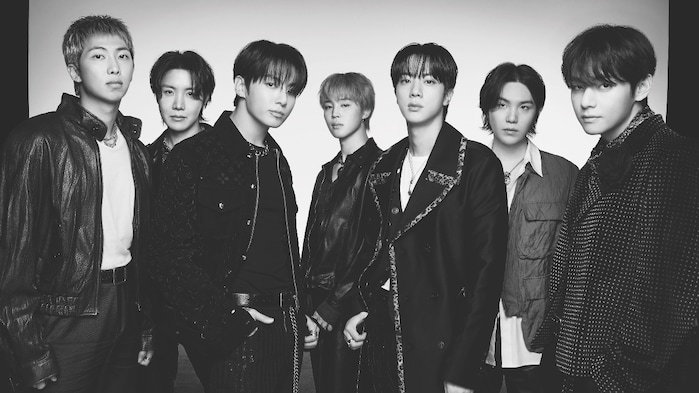
Thousands of English-speaking fans, with lightsticks in hand, are passionately belting out a Korean folk song older than most modern nation-states. And it's all because a group of seven men turned music into cultural soft power. Once dismissed as a hyper-stylised niche of bubblegum pop, Korean pop today sits at the centre of global culture with the confidence of a political movement and the precision of a billion-dollar industry. It sells out stadiums in minutes, boosts tourism economies and sparks language-learning trends across continents. However, South Korea didn't just export music to the world—it exported aspiration and identity. No act embodies that transformation more completely than BTS; which comprises of RM, Jin, Suga, j-hope, Jimin, V, Jung Kook.
(Also Read: HELLO! India Exclusive: BLACKPINK's Jisoo and Seo In-guk on romance in the age of AI)
Long before governments began speaking about “soft power” in policy meetings and business summits, seven young men from Korea; along with producers like Pdogg and Bang Si-hyuk, were already building it inside a Seoul studio. Today, BTS are no longer simply the world’s biggest K-pop act. They are a cultural economy, a tourism engine, and arguably the clearest example yet of how pop music can reshape a country’s global image. Somewhere between stadium tours, presidential meetings, United Nations speeches and fans learning Korean phrases online, K-pop stopped belonging only to Korea. BTS made sure of it.
Behind much of that evolution stands their producer Pdogg, who quietly shaped BTS’ emotional and sonic identity since their debut. If BTS is the face of Korea’s modern cultural influence, Pdogg is one of its chief architects; alongside HYBE founder Bang Si-hyuk of course. However, he never viewed BTS through the lens of global domination. “I don’t think I ever started with the belief that they would change the world,” Pdogg tells HELLO! India exclusively when asked whether he sensed BTS’ eventual cultural impact early on. “What stood out to me instead was how consistently each member tried to tell their own story in their own way through music.” His answer feels important because it cuts through the mythology surrounding BTS today. Before the billion-dollar impact reports, sold-out stadiums and diplomatic invitations, there were simply seven artists trying to be emotionally honest in an industry often accused of manufacturing perfection.
Pdogg believed that sincerity would eventually resonate with people. “Rather than a specific moment, it was something I gradually came to realise as more and more people began to connect with their music,” he explains. “More than any particular result, it was that entire journey that felt most meaningful to me.”
In many ways, that sincerity; not perfection or trending content, became BTS’ real export product. That journey now arrives at one of BTS’ most culturally ambitious moments yet: ARIRANG. On paper, the album almost sounds like a contradiction. It borrows from one of Korea’s most emotionally loaded folk songs while featuring global collaborators including Diplo, El Guincho and Kevin Parker. It carries more English than Korean in parts. It experiments heavily with genre, structure and scale. And yet, somehow, it still feels unmistakably Korean.
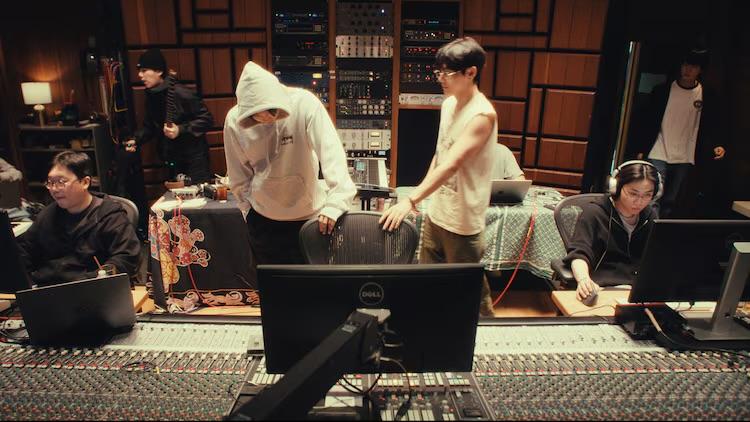
In the documentary [BTS: THE RETURN] surrounding the making of ARIRANG, Pdogg repeatedly speaks about the fear of losing emotional sincerity while trying to build something global. “We failed just enough,” he says as he describes endless hours testing versions that simply did not feel right. It is a deceptively simple quote, but one that says everything about BTS’ larger philosophy. The album was not built to preserve ARIRANG like a museum piece. It was built to let it travel. The team kept returning to one central question: could ARIRANG still carry the ache, longing and nostalgia associated with the original folk song while sounding unmistakably like BTS. Pdogg explains that the challenge was never whether ARIRANG could fit into modern pop music. The real challenge was whether they could modernise it “without losing the feeling people carry when they hear it.” That emotional memory — collective longing, nostalgia, separation and resilience — became the foundation of the album.
The documentary reveals how deeply those conversations shaped the creative process. Members worried whether sampling ARIRANG too directly might come across as performative patriotism. Questions emerged around whether global audiences would connect to songs rooted so specifically in Korean emotion. Pdogg, however, kept pulling the discussions back toward honesty. “You can’t calculate emotion too much,” he tells the members during a studio exchange. At another point, he reminds them that audiences can sense when culture is being performed rather than lived. Authenticity, in his view, is less about language or genre and more about emotional honesty. The goal, according to Pdogg, was never to make ARIRANG feel traditionally Korean, but emotionally Korean in a way people anywhere in the world could still understand. Even when working with Western producers or experimenting with English-heavy lyrics, BTS’ storytelling remains deeply tied to Korean emotional culture: youth anxiety, pressure, longing, self-reflection and collective resilience. Pdogg understands this paradox well. The more honest BTS become about where they come from, the more global they seem to get.
The members’ solo careers have stretched the group’s identity in fascinating directions. RM explored introspective alternative sounds and literary lyricism. Suga sharpened emotional storytelling into something brutally personal. j-hope embraced theatrical experimentation and performance-driven reinvention. The vocal line of Jin, V, Jimin and Jung Kook, expanded into jazz, indie-pop, retro funk and stripped-back vulnerability. In many ways, BTS’ solo era could have diluted the group’s identity but each member returned sharper, more distinct and more confident in their artistic voice. Pdogg has described the challenge of ARIRANG as finding a way to let all seven artists sound more mature individually while still preserving “the emotional thread that makes BTS feel like BTS.”
For years, much of the global entertainment industry underestimated K-pop as a passing trend. BTS changed that equation entirely. In the process, they also created a blueprint other countries are now beginning to study closely. That is where India should be paying very close attention. India has scale, emotional storytelling traditions, regional music richness and arguably the world’s most passionate entertainment audience. What it often lacks is coordinated cultural export ambition. We export stars accidentally. Korea exports culture intentionally.
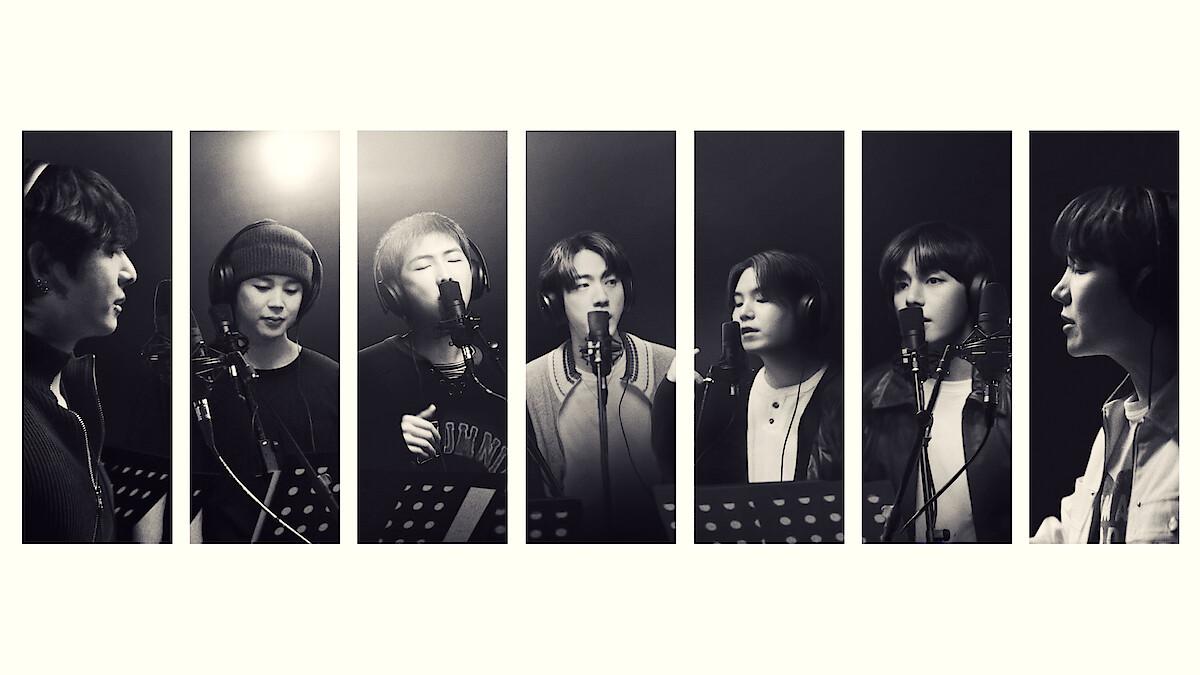
BTS did not become global by sounding less Korean. They became global by making Korean culture emotionally accessible without stripping away specificity. India can do the same with the rich history and heritage we have. And that may be the most important lesson in the entire BTS playbook. Or, as Pdogg’s work on ARIRANG quietly suggests, sometimes the most global thing an artist can do is return home first and then invite the world in.
(Also Read: HELLO! India Exclusive: Love that isn't lost in translation with Kim Seon-ho and Go Youn-jung )
Edited by Dayle Pereira-Alemao
Other topics
Continue Reading