- Home
- Lifestyle
7 female-led Bollywood films that changed the way we see women
From journeys of self discovery and quiet strength to courtroom battles and difficult acts of courage, these female-led films changed how we see women on screen. They made us reflect on independence, dignity, consent and identity in ways that felt personal and real. Together, they reminded us that women’s stories are not a separate category, they are at the heart of cinema

There was a time when films led by women were described as “different” or “bold”, as though a woman at the centre of a story was unusual. Over the years, that has slowly shifted. A handful of powerful films have not only succeeded commercially but have shaped conversations, challenged biases and made audiences pause and reflect.
(Also Read: 10 movies that epitomised Holi through Bollywood's colourful lens)
1. Queen
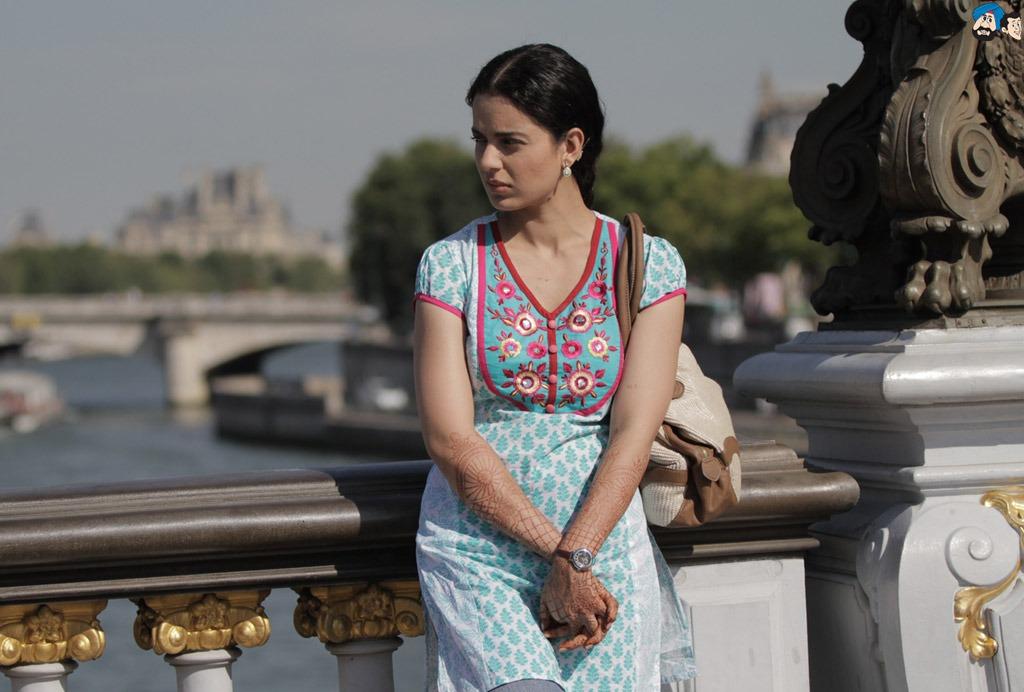
Queen arrived at a moment when marriage was still treated as the ultimate milestone in a woman’s life. Instead of portraying heartbreak as devastation, the film transformed it into freedom. Watching Rani travel alone, stumble, grow and slowly come into her own felt deeply personal for many viewers.Its impact was emotional and cultural. It encouraged women to see independence not as rebellion but as self discovery. It made choosing yourself feel valid.
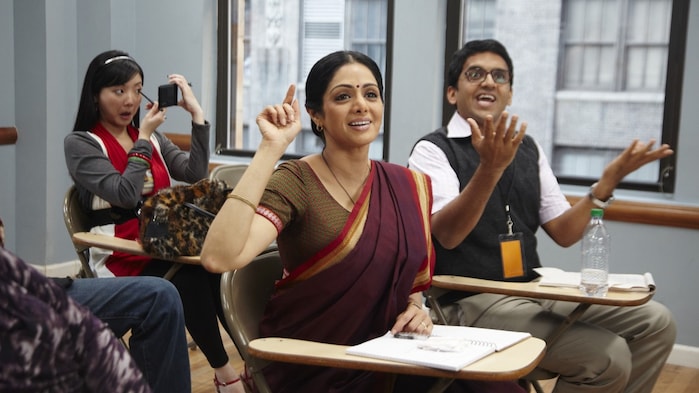
2. English Vinglish
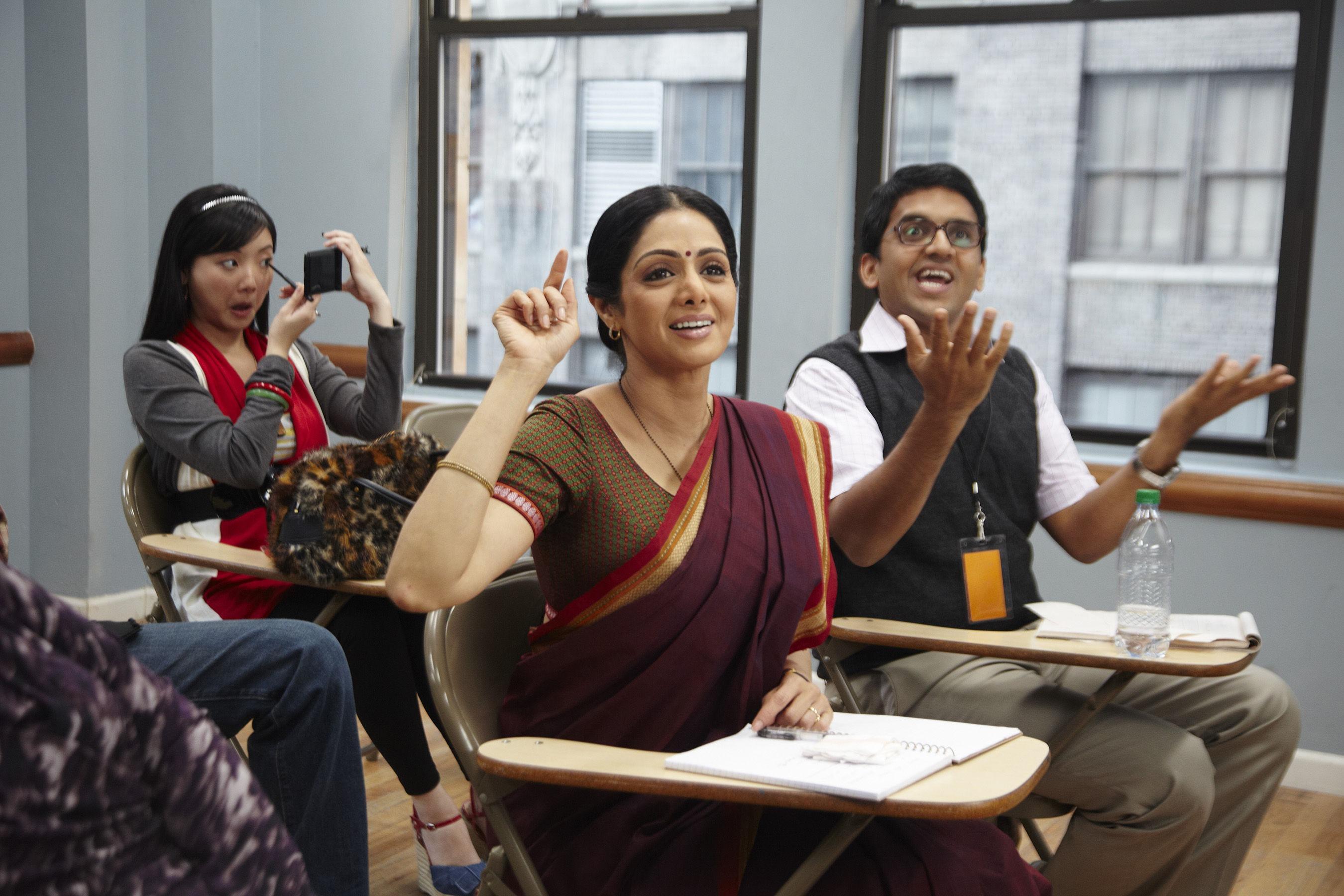
This film quietly addressed something many families rarely acknowledge the habit of underestimating women who run households. By centering a homemaker who simply wanted respect, the story resonated across generations.Its impact lay in recognition. Audiences began to look differently at the women in their own homes. It restored dignity to roles that are often taken for granted and reminded viewers that self worth has nothing to do with language or status.
3. Piku
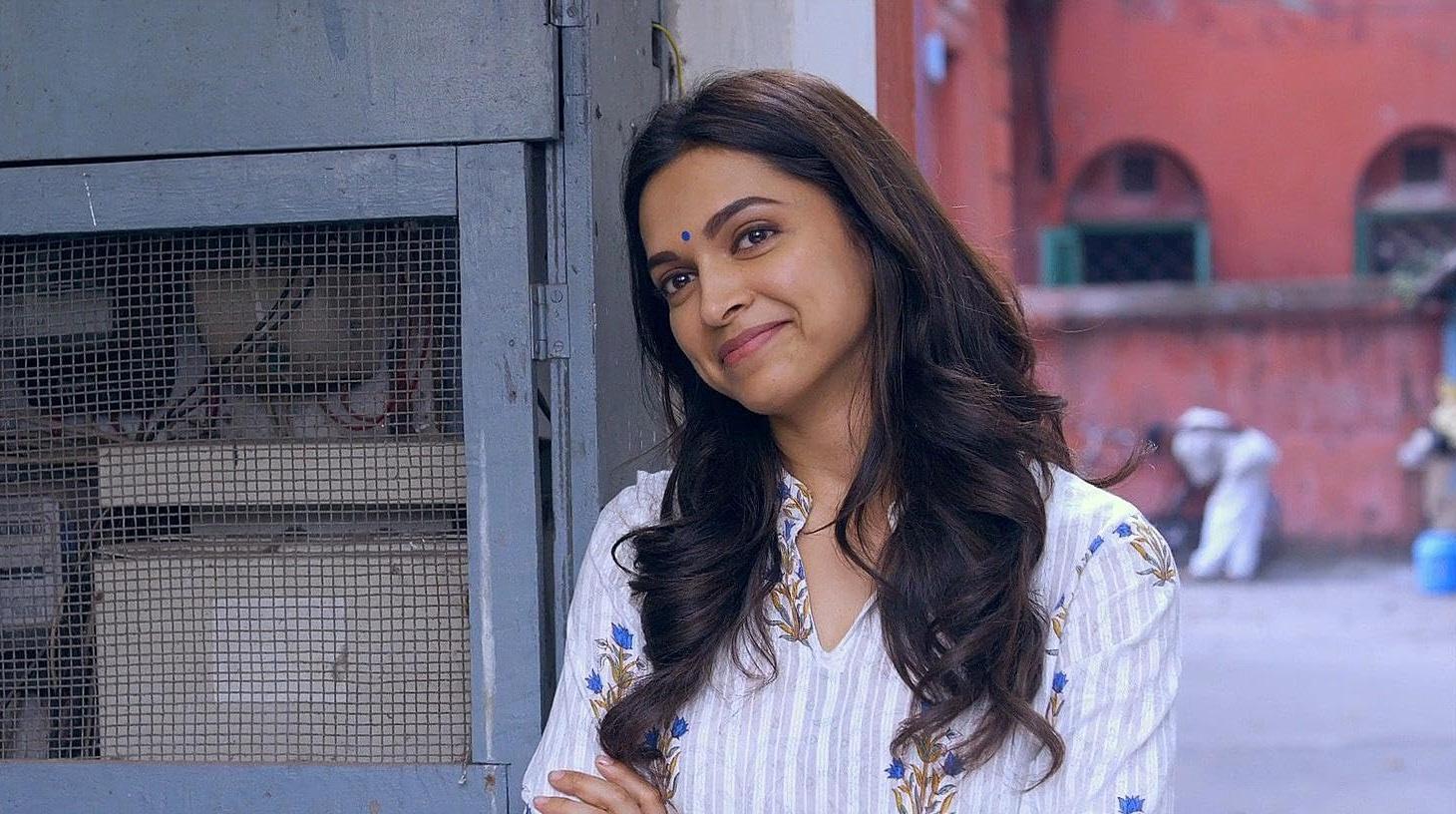
With Piku, we saw a woman who felt real. She was ambitious, exhausted, loving, impatient and independent all at once. The film did not dramatise her life. It reflected it. Its impact was subtle but meaningful. It normalised the pressures modern women balance every day careers, caregiving and personal needs. It showed that a woman’s story does not need romance to feel complete.
(Also Read: 10 Hollywood horror movie releases that make 2025 the scariest year yet)
4. Raazi
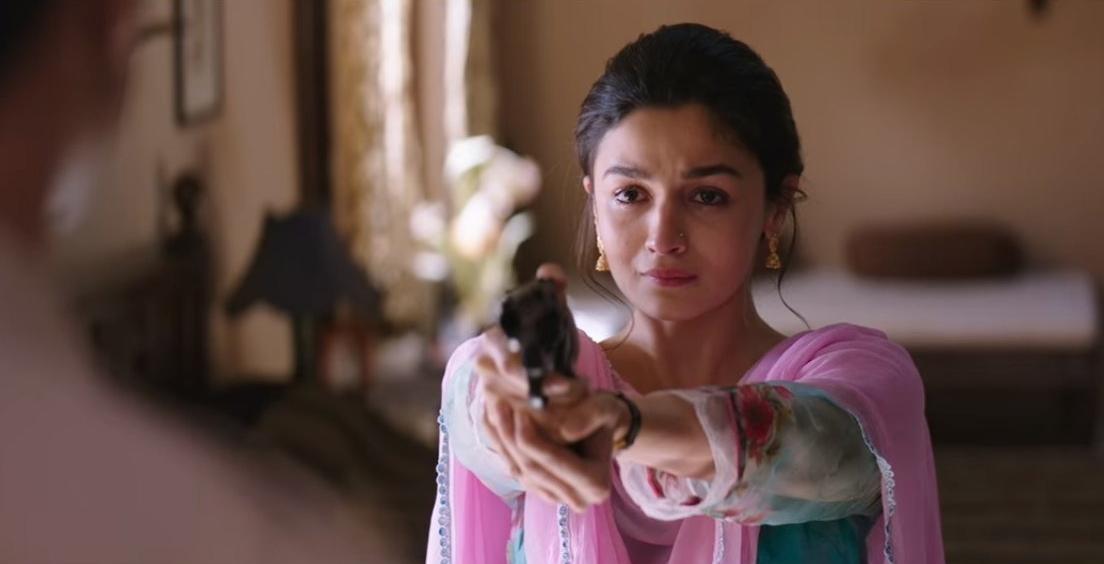
In a genre often dominated by male heroes, Raazi placed a young woman at the centre of a political thriller. What made it powerful was not just the espionage but the emotional cost of duty.The film shifted perception. It showed that strength can be quiet and conflicted. It proved that women can carry intense, high stakes narratives without losing emotional depth.
5. Pink

Few films have entered public conversation the way Pink did. The message was simple yet urgent. Consent is non-negotiable.Its impact went far beyond cinema halls. “No means no” became part of everyday dialogue. The film forced audiences to confront uncomfortable truths about entitlement and victim blaming. It made silence harder.
6. Secret Superstar

At its heart, Secret Superstar was about a girl who refused to let her circumstances define her voice. Through music and anonymity, she found courage.The impact was especially strong among younger viewers. It validated dreams that are often dismissed inside conservative spaces. It also highlighted the quiet power of mothers who stand behind their daughters even when the world does not.
7. Laapataa Ladies
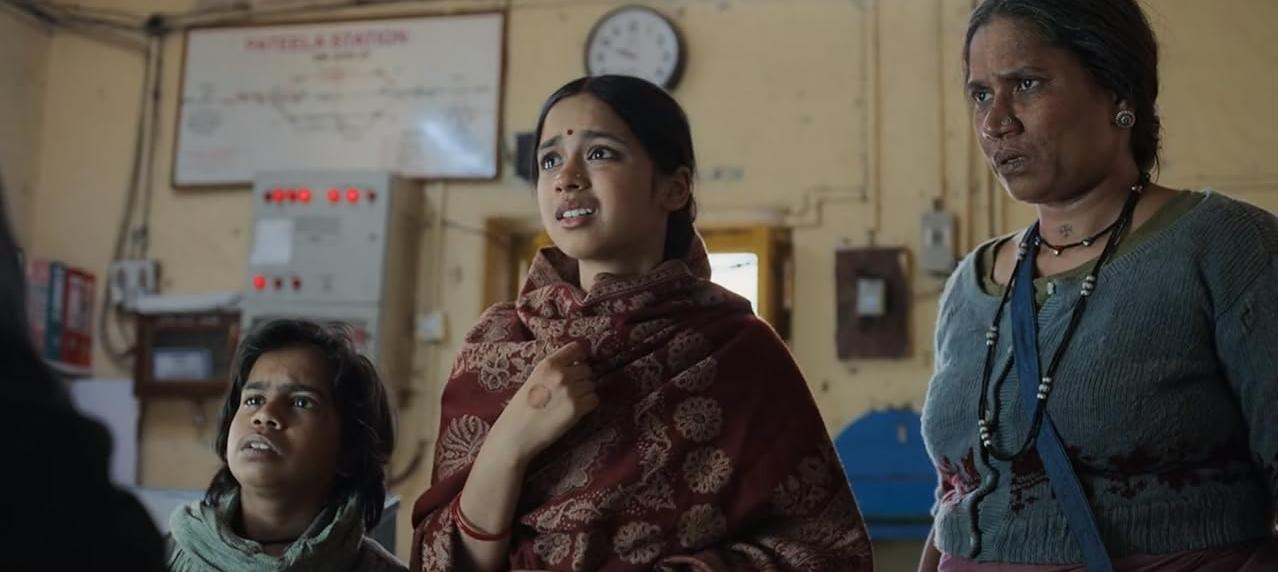
Set in rural India, this film used humour to explore identity and agency within marriage. Beneath its lightness was a sharp reflection on how easily women are treated as interchangeable. Its impact lies in its warmth. It made audiences think without feeling lectured. It reminded viewers that even gentle storytelling can question deep rooted systems.
(Also Read: 7 Japanese movies with a global cult following)
Continue Reading