- Home
- Fashion
How Kulsum Shadab Wahab is creating couture with a cause
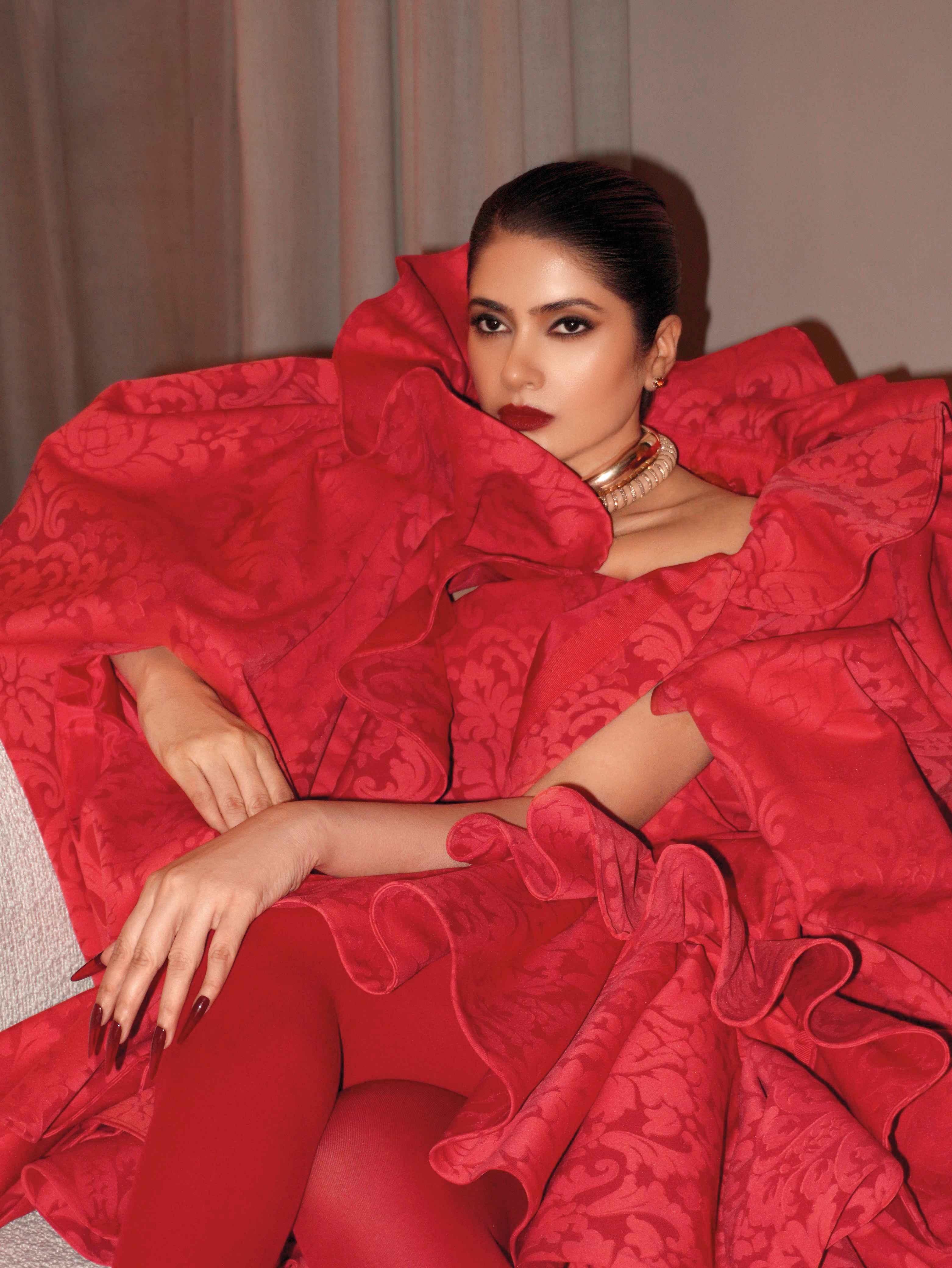
She set out to empower acid-attack survivors, aiming for perfection over pity. Today, she spearheads a fashion brand where the product speaks first and the backstory comes later. In conversation with the stylish philanthropist, HELLO! learns the need for purpose and profit to move hand in hand.
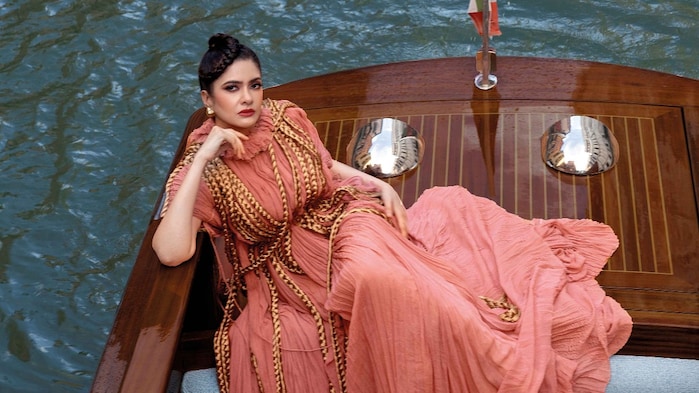
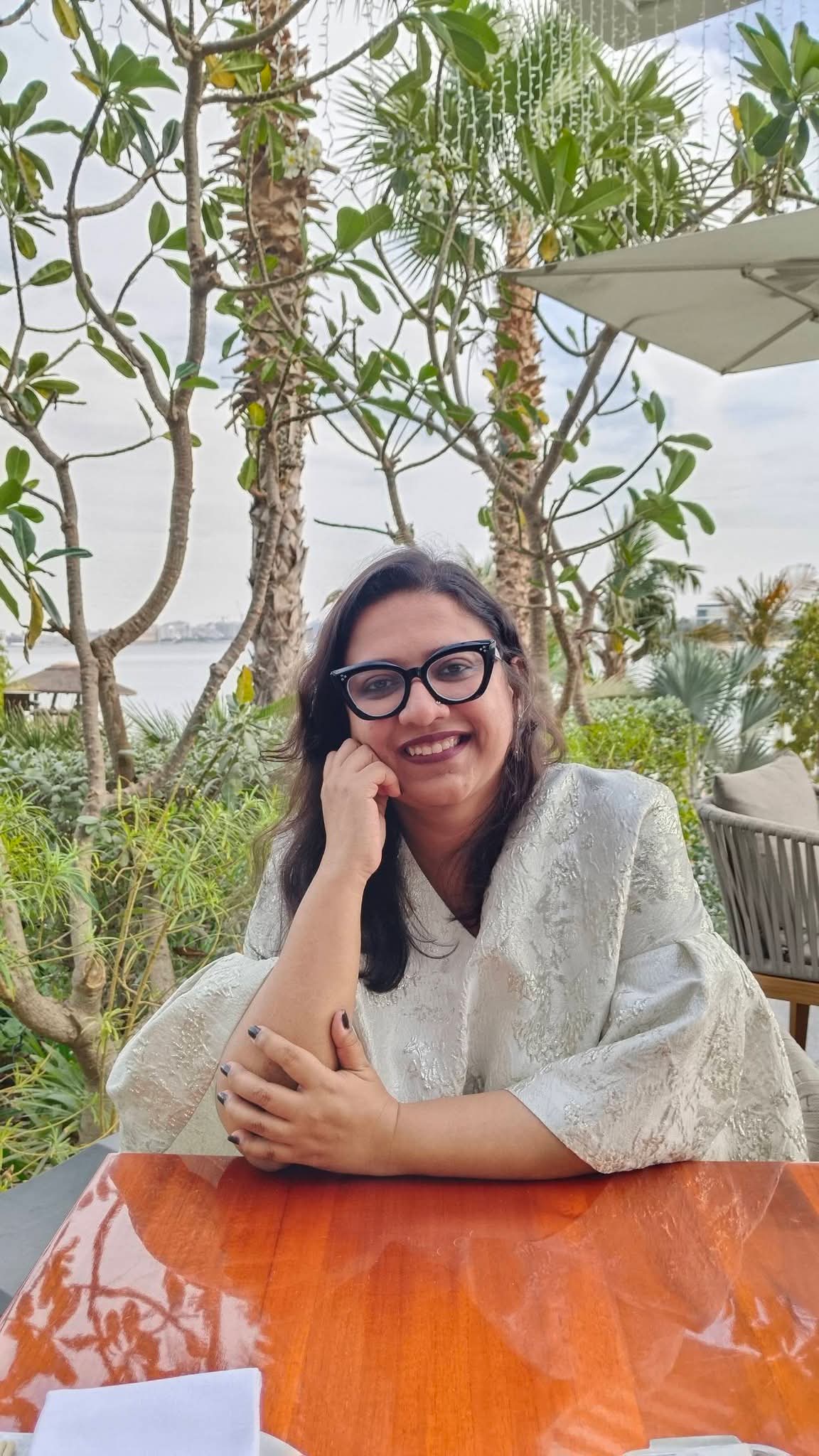
She set out to empower acid-attack survivors, aiming for perfection over pity. Today, she spearheads a fashion brand where the product speaks first and the backstory comes later. In conversation with the stylish philanthropist, HELLO! learns the need for purpose and profit to move hand in hand
There are some fashion moments that stay with you. Katy Perry appearing in a riot of colour, crowned with an extravagant headpiece by ethical fashion brand Ara Lumiere — a flamboyant creation of intricate embellishment and pure fantasy — for Vogue India’s January 2020 cover was definitely one such. Made by acid attack survivors, the headpiece was a striking work of fashion. Its backstory only made it more interesting. And that distinction is what makes Kulsum Shadab Wahab’s journey different.
Kulsum never planned on entering fashion. Growing up in Bengaluru, she was shaped by a family culture of giving. Her grandfather, in particular, left a lasting impression.
“Whenever we came across someone struggling or asking for help, he’d quietly give them whatever he’d have with him,” she says, recalling his belief that whatever you give, God will give back tenfold.
After marriage, she moved to Ballari in Karnataka and began working with the Hothur Foundation, becoming increasingly involved with women and children’s welfare. A master’s in psychology and her work with children with disabilities shaped her understanding of care. It was during a hospital visit nearly a decade ago that she met an acid-attack survivor. The meeting left her with questions that would change the course of her life: What happens after rehabilitation? How does a woman rebuild her life and find hope?
Fashion offered an unlikely answer. In 2019, Ara Lumiere was born as a brand and social enterprise that empowers survivors of gender-based violence by training them as skilled artisans. Clearly, it did not begin with a mood board of a couture dream. But its dramatic, sculptural headpieces soon found their way to Milan Fashion Week and earned Kulsum recognition from Gucci in its ‘Chime For Change’ global campaign.
Now, with the 2025 launch of Ara Prét, she is taking the idea into the ready-to wear segment. The next test is whether Ara Lumiere can become a fashion business with real commercial staying power.
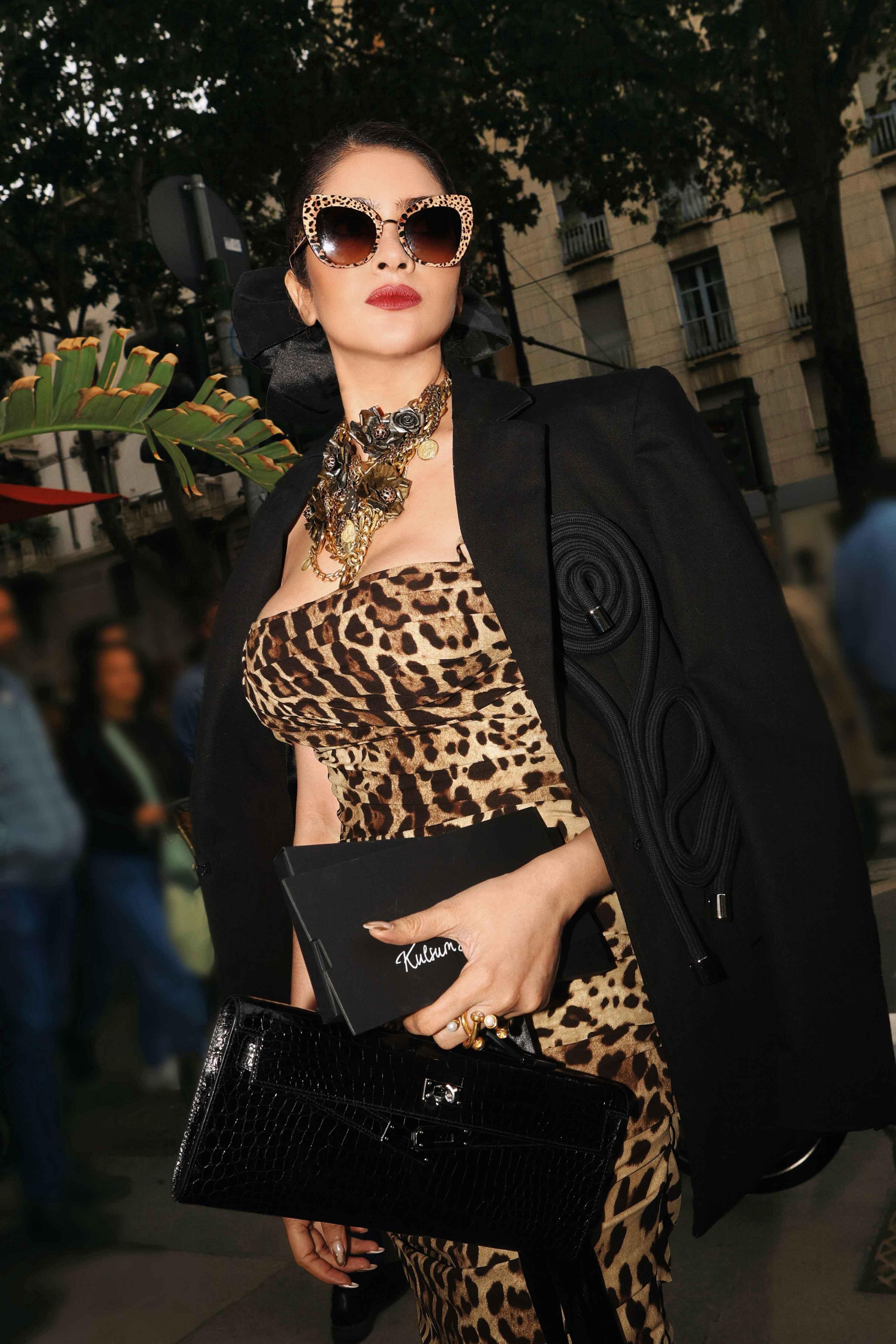
“I’m interested in how we can move between fashion, art, and culture, while keeping the women and their creative agency at the centre. I want it to become a house of human creativity, not simply another label,” says the Women Empowerment Ambassador for Camera Nazionale della Moda Italiana (CNMI).
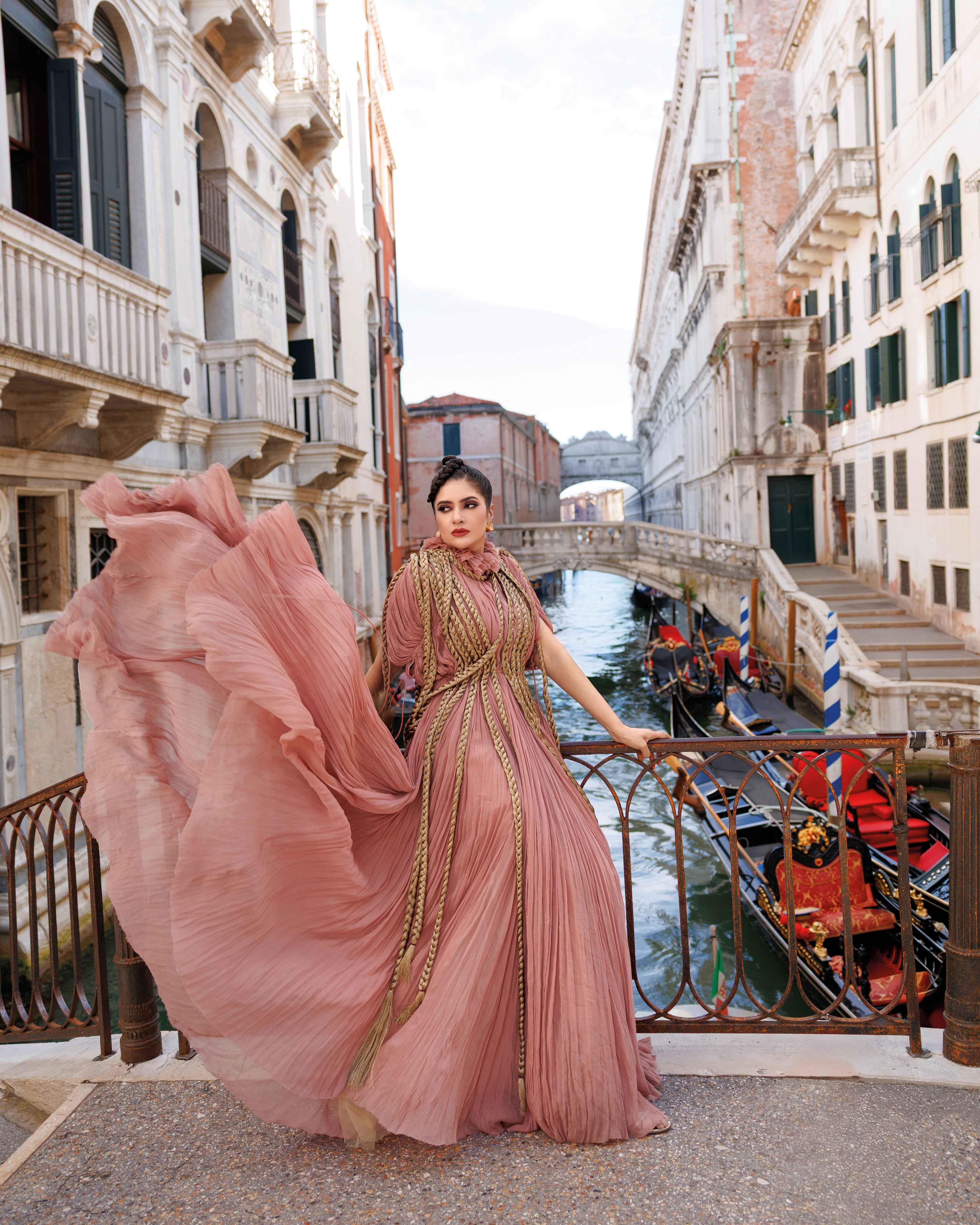
“Purpose may bring someone closer to the story, but desirability has to make fashion stand on its own. That moment, like many others, helped prove that the two could coexist.”
With this rather radical idea of empowerment, Kulsum takes us through her vision for the brand and hope for the women she works with.
HELLO! India: When Katy Perry wore an Ara Lumiere headpiece, it brought the brand global visibility. Tell us something about that moment.
Kulsum Shadab Wahab: It was certainly a significant moment because of what it represented. Suddenly, something created by women who had once been made invisible was being seen in the context of aspirational global fashion. For me, the most important part was not celebrity for celebrity’s sake. It was the fact that the piece belonged there aesthetically.
HELLO! India: There is a tendency to frame survivors of acid attacks through their trauma. How conscious have you been about shifting that narrative towards talent, agency, and possibility?
Kulsum Shadab Wahab: Extremely. I have always been uncomfortable with the idea that a survivor must repeatedly display her trauma to deserve people’s attention. A woman should not spend the rest of her life being introduced by the worst thing somebody did to her. Of course, we cannot erase what happened, and advocacy matters. But there has to be a next chapter. That is why with Ara Lumiere, I want the conversation to move towards talent, craftsmanship, imagination, and ambition.
We are not asking the world to admire these women because of what they survived. We are asking the world to admire what they create. For me, that is the difference between sympathy and dignity.
HELLO! India: How do you ensure that the mission remains authentic without compromising on the desirability and commercial strength of fashion itself?
Kulsum Shadab Wahab: By never allowing purpose to become an excuse for mediocrity. You can’t expect the customer to buy something simply because it comes from a good cause. The product has to be desirable, beautifully made, and relevant. Purpose may open the door, but excellence keeps it open.
Commercial strength is important to the mission because if a social enterprise cannot sustain itself, its impact eventually becomes dependent on charity. So, I do not see commerce and compassion as opposites. When handled responsibly, commerce can impact independence and longevity. I don’t want Ara Lumiere to become the most sympathetic brand. I want it to become one of the most respected.
HELLO! India: What have you learnt about building a sustainable model where social impact and commercial success can coexist?
Kulsum Shadab Wahab: I have learnt that good intentions are not a business model. Compassion may be the reason you begin, but structure, quality, discipline, and commercial thinking are what allow the work to survive. That was an important lesson for me. You need a beautiful product, pricing discipline, distribution, partnerships, communication, and accountability. Social impact should raise the bar, not lower it. Purpose gives you a reason to exist. Commercial strength gives you the ability to continue.
HELLO! India: Fashion has historically promoted a narrow idea of beauty and perfection. Has working with survivors changed this understanding for you?
Kulsum Shadab Wahab: Completely. Traditionally, fashion taught us to associate beauty with perfection. My work taught me almost the opposite. I’ve seen women whose bodies carry scars, surgeries, and extraordinary histories, and those bodies have taught me that beauty cannot be separated from individuality. There is enormous beauty in someone refusing to disappear.
I think I have become less interested in perfection and more interested in presence — how someone carries herself, what she has lived through, what she creates, and the energy she brings into a room. I no longer look at beauty as the absence of scars. It is the presence of self.
HELLO! India: You became the first Indian to become CNMI’s Women Empowerment Ambassador. What do you hope to bring to this role?
Kulsum Shadab Wahab: For me, this cannot simply be a title. I want to use the role to create bridges between women, artisans, designers, institutions, and the fashion industry.
I also believe strongly that advancing women’s rights cannot be a conversation conducted only by women. We need strong men standing beside women, too.
Fashion institutions have enormous cultural influence. They don’t only determine what we wear; they help determine who society chooses to see and celebrate. If my role can create access for women who’d otherwise never enter those rooms, then it has meaning. Representation matters only when it creates access for somebody else.
Continue Reading