- Home
- Fashion
World Environment Day 2026: Bridging the gap between luxury fashion and sustainability
Fashion industries globally have played a role in the gradual degradation of the environment, making sustainable fashion a necessity today. This World Environment Day, HELLO! India dives deep to take a look at designers who have contributed significantly in creating an eco-friendly ethos in fashion.

Fashion and clothing hold an integral space in our lives, and understanding where the clothes we wear come from is a responsibility everybody bears. With the rise of fast fashion and growing rates of consumerism, the fashion industry has undoubtedly contributed to the growing environmental concerns rampant today. HELLO! India has curated a list of Indian and international designers who actively aim to bring sustainability into the world of luxury fashion.
1. Grassroot by Anita Dongre
Living by the philosophy of ‘Fashion for good’, Anita Dongre has been rightfully credited as one of India’s leading designers, focusing on sustainability and ethical consumption. Grassroot, a label created under the House of Anita Dongre, serves as the prime example of how Dongre produces everyday contemporary wear exclusively using eco-conscious fabrics and utilising traditional Indian craft. Additionally, Dongre has extensively taken steps to help the environment through plastic recycling initiatives, textile waste management and tree plantation drives.
2. Stella McCartney

Over the years, Stella McCartney has established herself as a pioneer in luxury fashion with an uncompromising commitment to sustainability, cruelty-free practices and ethical sourcing of materials. Having strictly banned the use of leather, fur, feathers, and other animal products, McCartney’s label focuses on setting an example of creating fashion using only sustainable practices. The label prioritises a closed-loop production, ensuring that no materials go to waste by consistently recycling and repurposing any waste materials generated during the production.
3. Gaiara
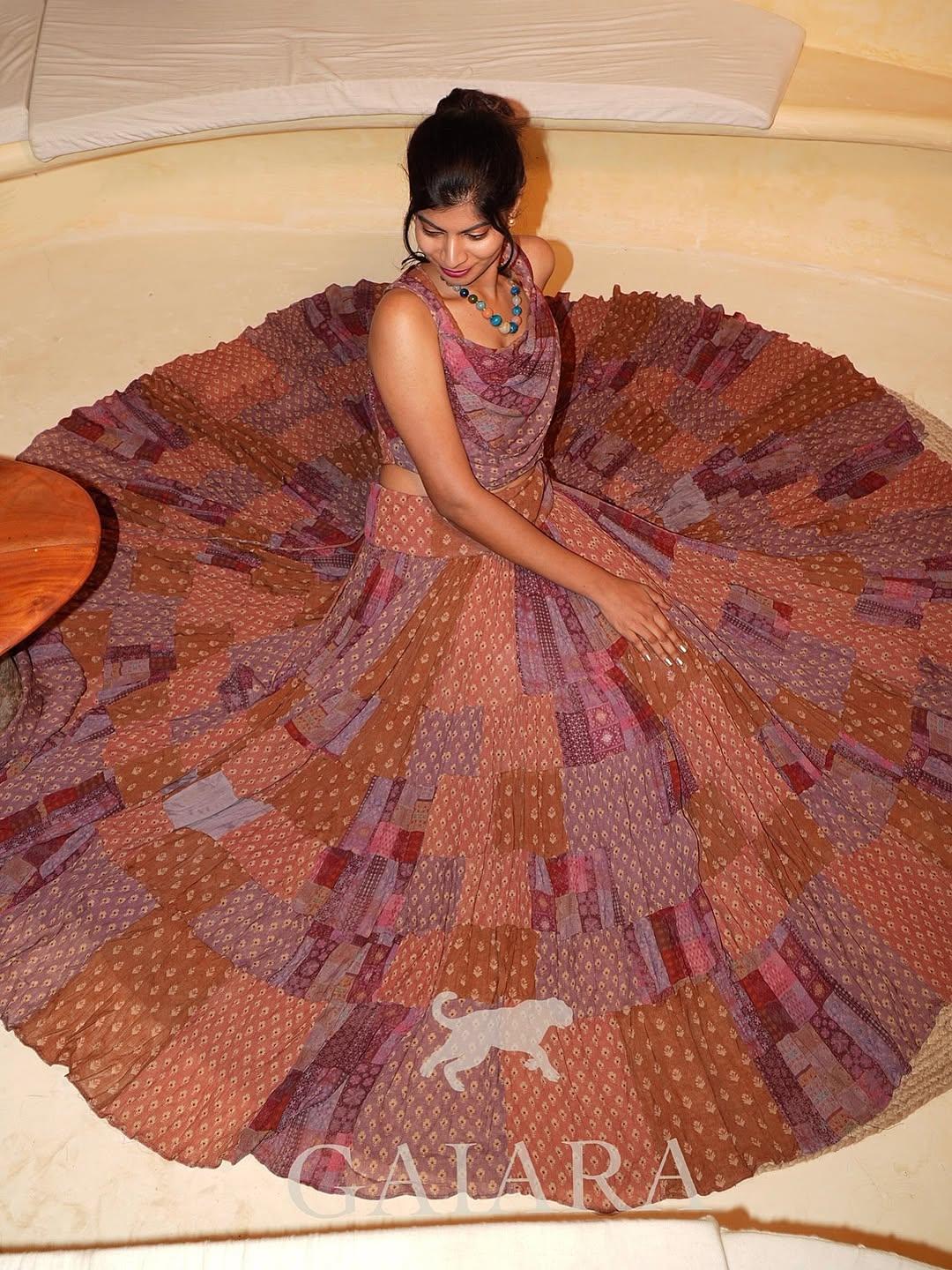
Highlighting the intrinsic relationship between luxury fashion and nature, Gaiara prides itself on its dedication to prioritising sustainability and eco-friendly techniques to create its garments. Using plant-based, biodegradable and recycled fibres, Gaiara has positioned its message of sustainability at the forefront. The brand goes beyond sourcing sustainable fabric by incorporating only plant-based leathers and embellishments into its designs. Gaiara has made it clear that sustainability is not just an afterthought but rather the foundation on which the brand has been created.
(Also Read: Earth Day 2026: India’s most thoughtful eco-luxury escapes redefining conscious travel)
4. Mara Hoffman
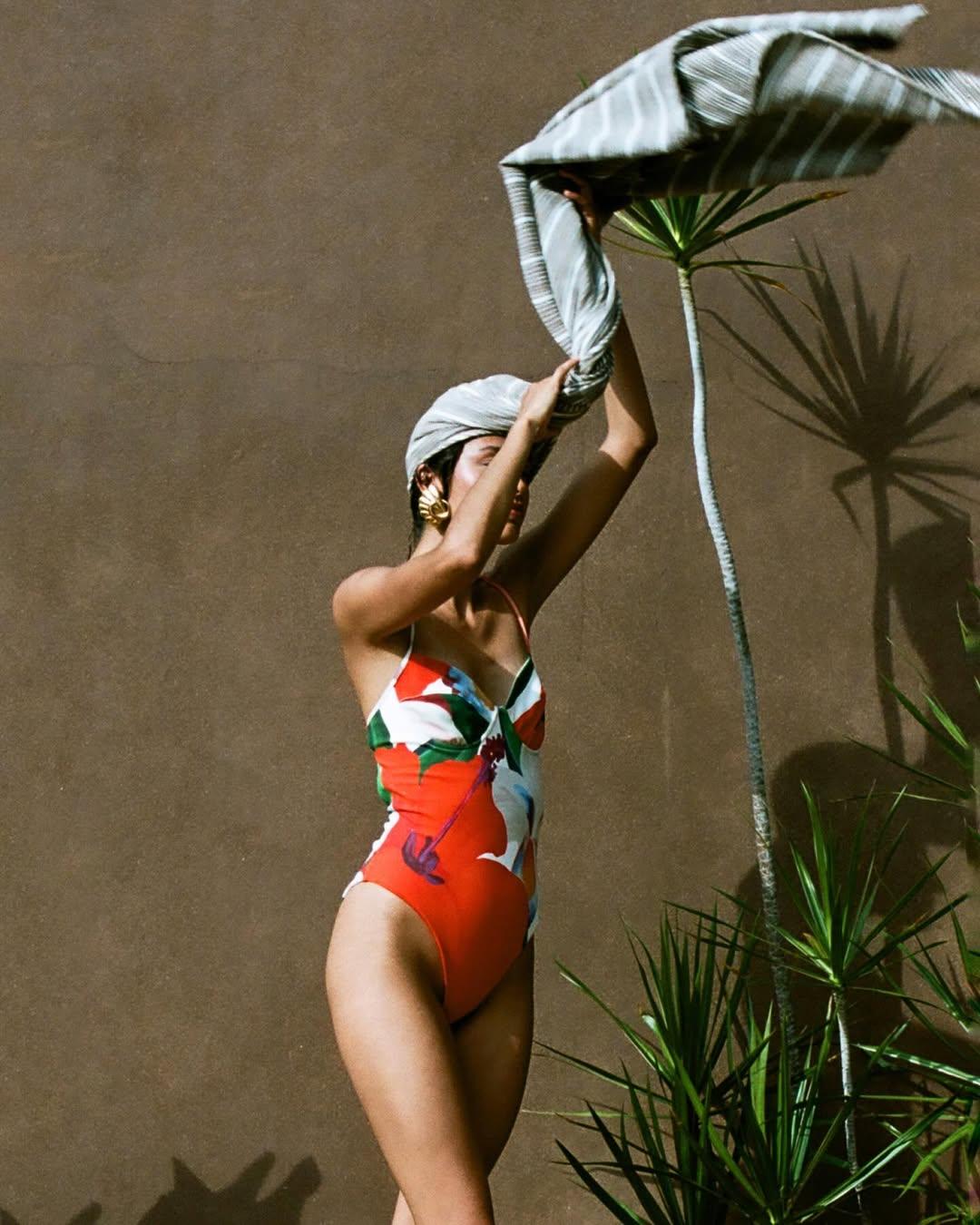
Spanning over two decades, Mara Hoffman’s namesake label has evolved into a brand that operates with sustainability as a core aspect of the brand. Hoffman’s label incorporates innovative methods of designing and manufacturing, coupled with selecting fabrics and materials responsibly. The brand provides a transparent view into their production process while staying true to their aims of inspiring people through their bold and colourful designs.
5. 11.11
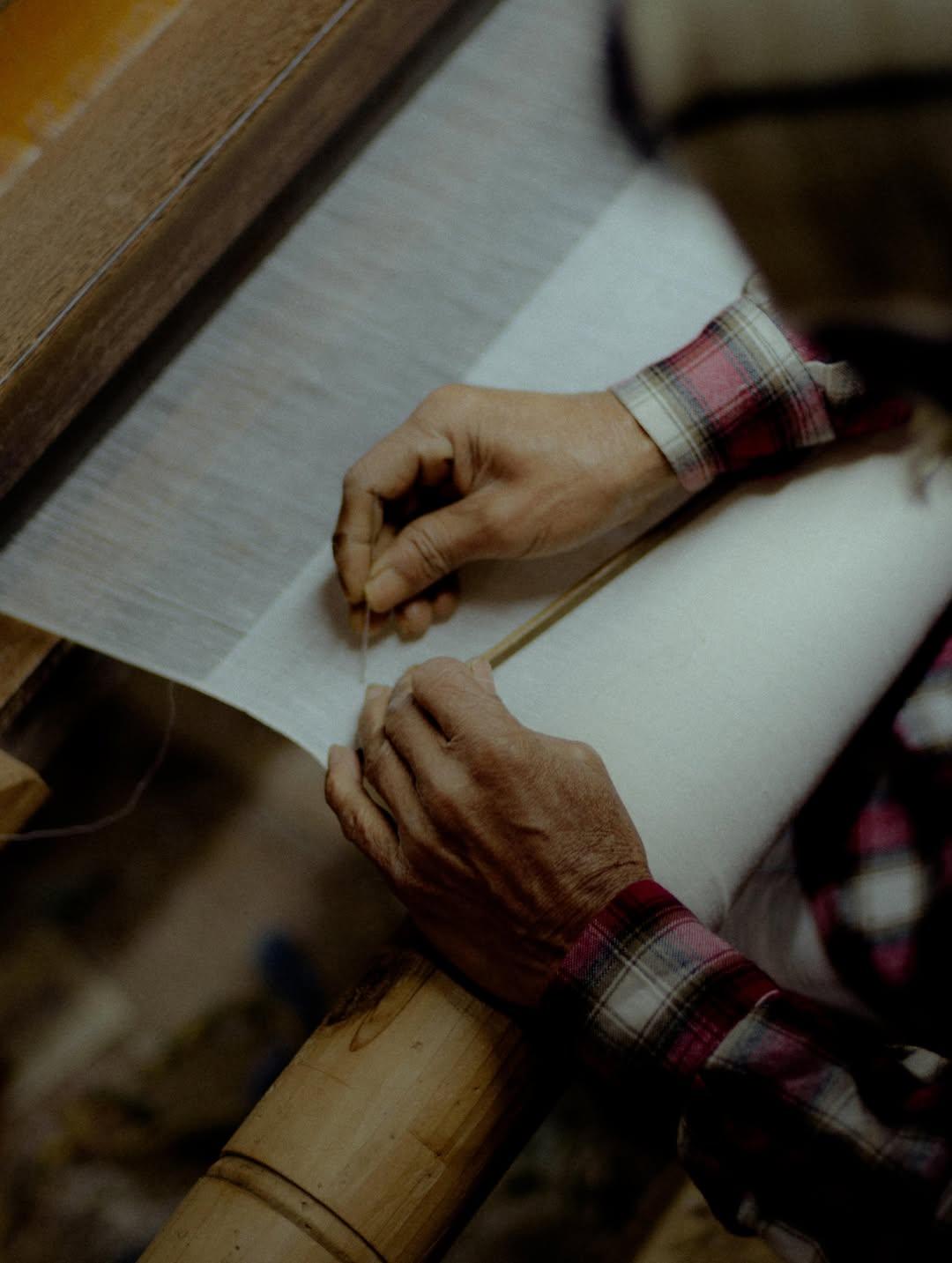
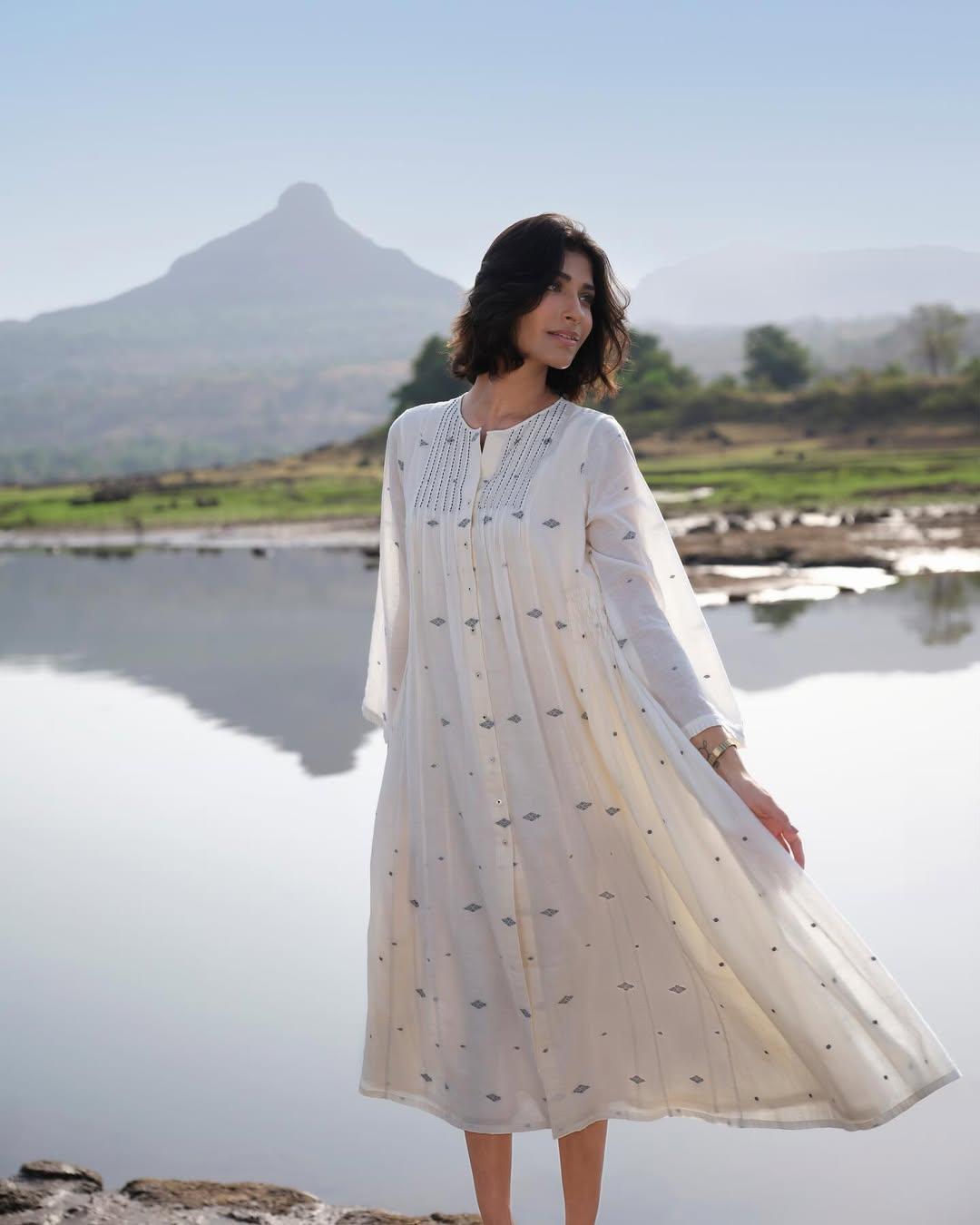
Positioning their identity around using indigenous handspun cotton and natural dyes, homegrown label 11.11 takes pride in their ‘seed-to-stitch’ approach that ensures the ethical and sustainable processes used throughout their production. The brand blends contemporary fashion with traditional, artisanal Indian craftsmanship. The label uses heritage techniques such as hand-spinning, handloom weaving, hand painting, quilting, and miniature tie-dyeing to create a brand that emphasises on slow production and slow consumption.
6. Alejandra Alonso Rojas

Spanish designer Alejandra Alonso Rojas has evolved her New York-based fashion label into a model that prioritises sustainability, traceability and ethical production. By relying on cut-to-order manufacturing and limited capsule collections, the brand has doubled down on sustainability as a core attribute. Rojas has focused heavily on maintaining a transparent production process and opts to partner exclusively with globally certified mills that prioritise environmental responsibility.
7. Doodlage
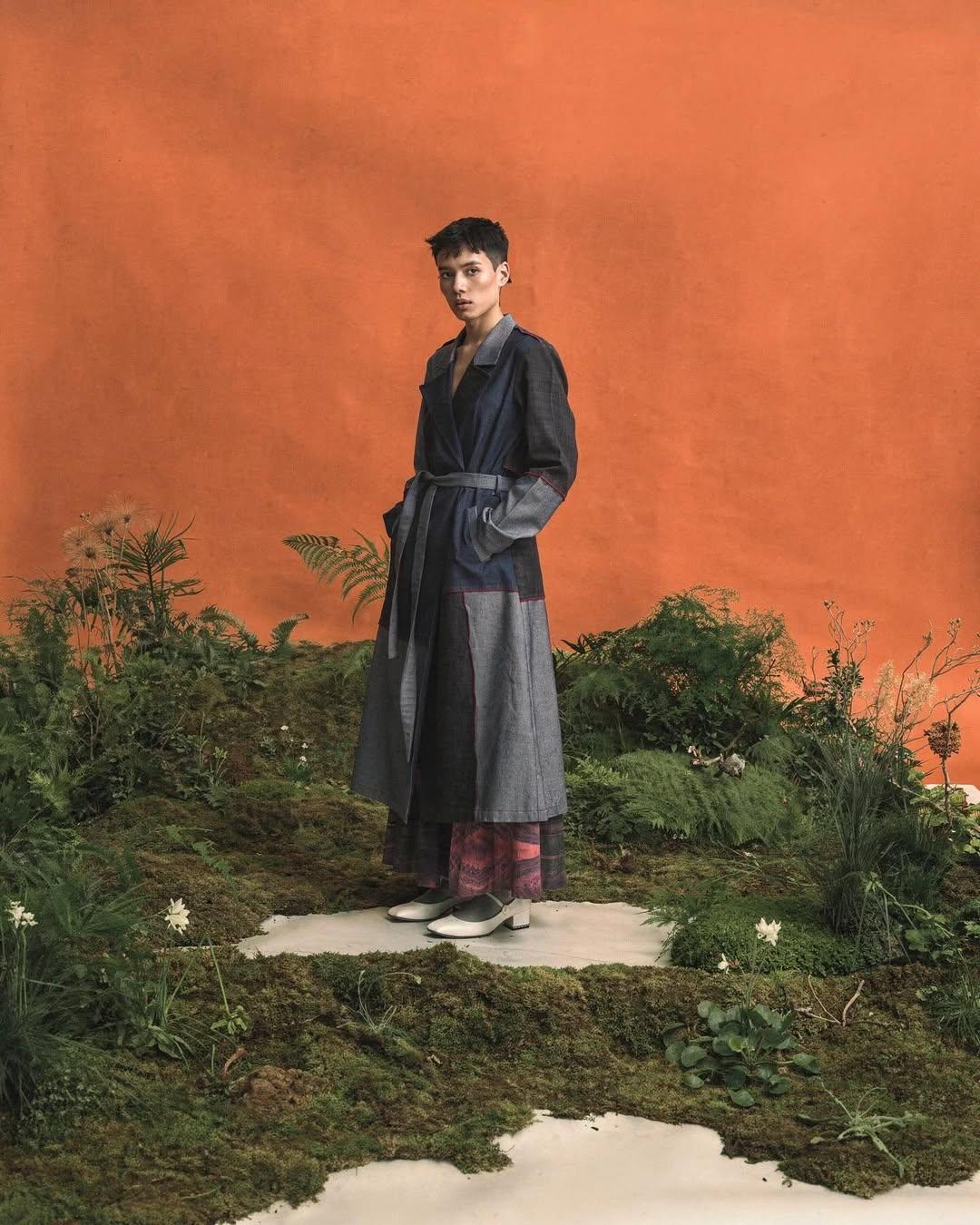
Transforming factory-discarded fabric and post-consumer waste into high-end clothing, Doodlage is an Indian eco-fashion brand spearheading the concept of creating fashion through a sustainable and ethical approach. Founded by Kriti Tula, the label aims to bring new life into discarded fabrics by reimagining them with bold prints, intricate embroideries and artisanal techniques. Customers receive their piece of sustainable clothing wrapped in biodegradable packaging, along with a welcome note written on recycled paper.
8. BODE
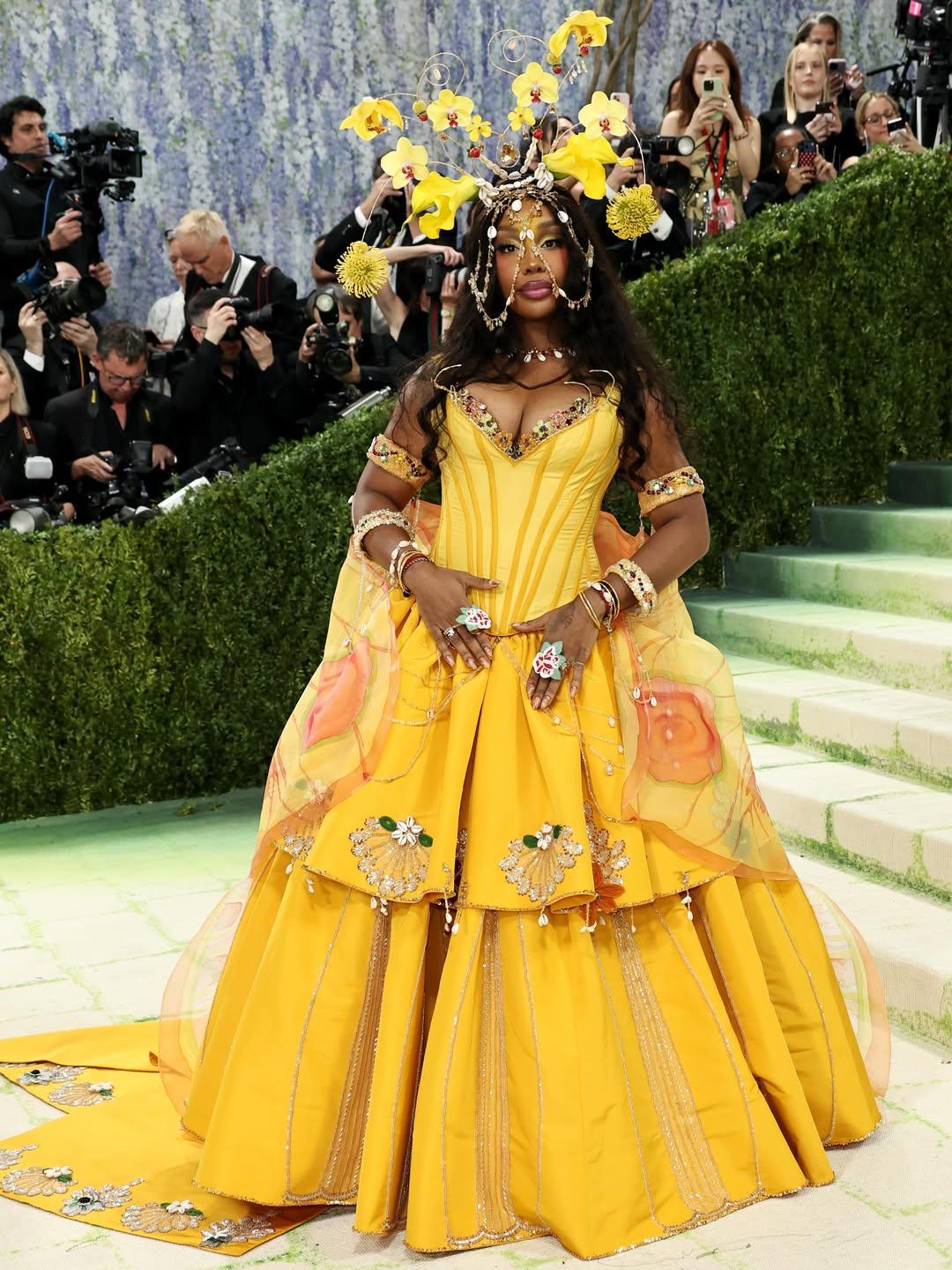
Breaking new grounds in more ways than one, BODE emerged as the first menswear fashion label created by a woman. The label, founded by Emily Adams Bode Aujla, has now expanded to producing clothing for women as well. All of the brand’s creations, however, share the common ground of producing high fashion with an approach that prioritises sustainability. In order to achieve this, BODE focuses on upcycling antique textiles and deadstock fabric into heirloom quality garments.
9. Ka-Sha
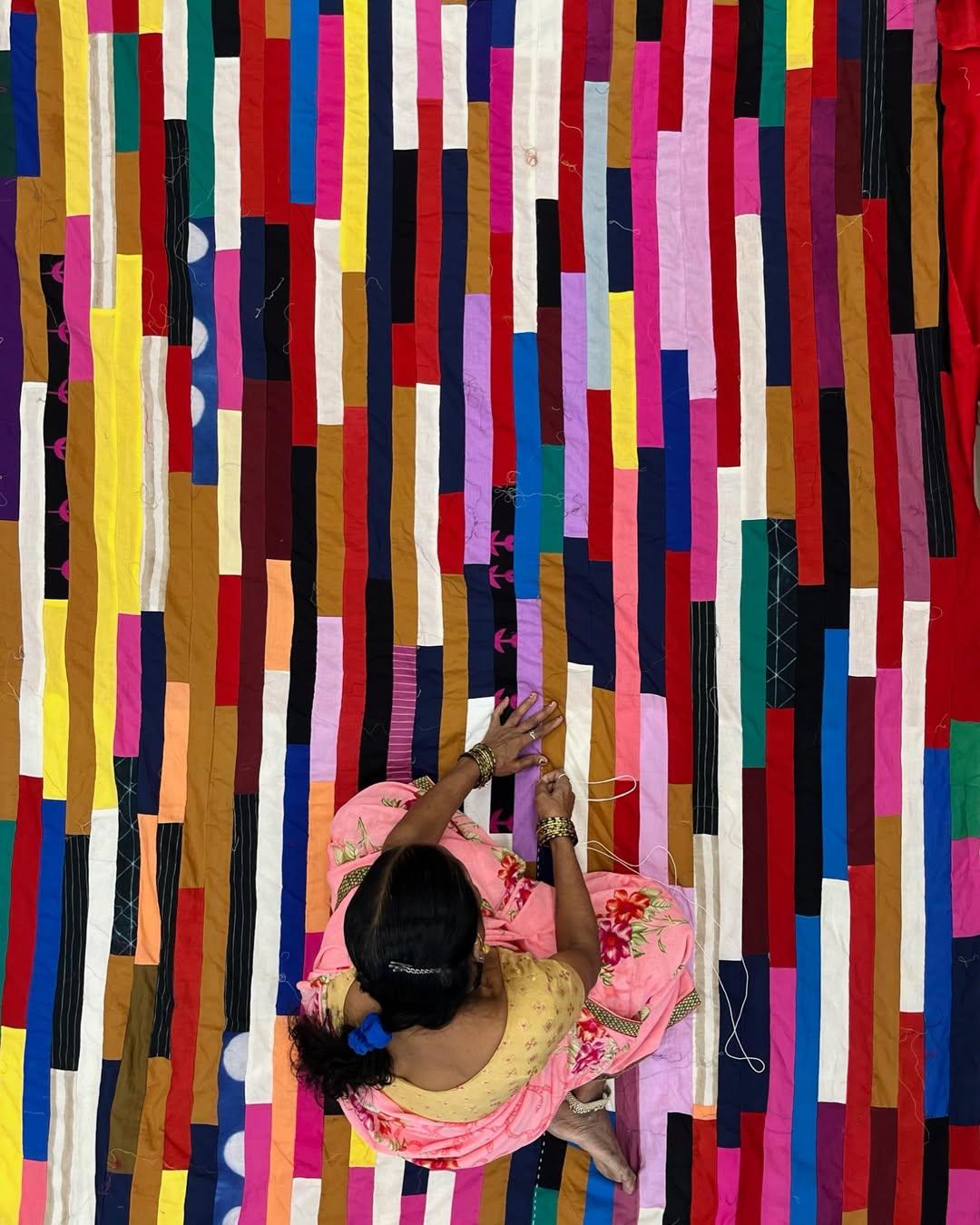
Founded by designer Karishma Shahani-Khan, Ka-Sha is an Indian fashion label that has gained international recognition for their craft-centric and sustainable clothing. The brand is rooted in a zero-waste ideology that is further perpetuated by employing ethical sourcing, natural materials and local artisanal craftsmanship.The label is also tied to its sister brand Heart to Haat, which began as an endeavour to manage post-production waste and has grown to be an answer to the industry-wide problem of textile waste.
Text by Judah Abujam
Edited by Sabrina Mathews
Continue Reading