- Home
- Food
How plating became the secret ingredient in modern dining
From haute cuisine to home kitchens, the art of plating is redefining the way we experience food. In fact, the art of plating has evolved from a basic requirement into a defining element of the culinary experience
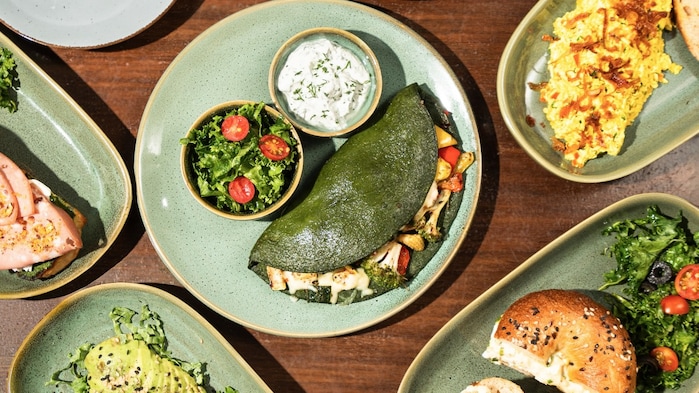

In the world of gourmet dining, the experience of enjoying a meal transcends taste. The art of plating has evolved from a basic requirement into a defining element of the culinary experience. Whether in fine dining restaurants or home kitchens, plating has become an art form that blends creativity, technique, and storytelling, which HELLO! India delves further into.
(Also Read: "Food is rarely just about food": Chef Rahul Akerkar)
The evolution of plating
The art of plating has evolved significantly over the centuries. Previously, luxury dining was closely associated with functionality, ensuring food was served in an organised and practical manner. However, as fine dining and gourmet cuisine gained popularity, aesthetic plating emerged as an expression of a chef's creativity. French cuisine, renowned for its meticulous attention to detail, played a pioneering role in refining plating techniques. From deconstructed dishes to molecular gastronomy, contemporary plating styles continue to push creative boundaries while maintaining a balance between aesthetics and functionality.
(Also Read: HELLO! India Exclusive: Inside the mind of masterchef Manish Mehrotra)
What constitutes an aesthetic plate of food?
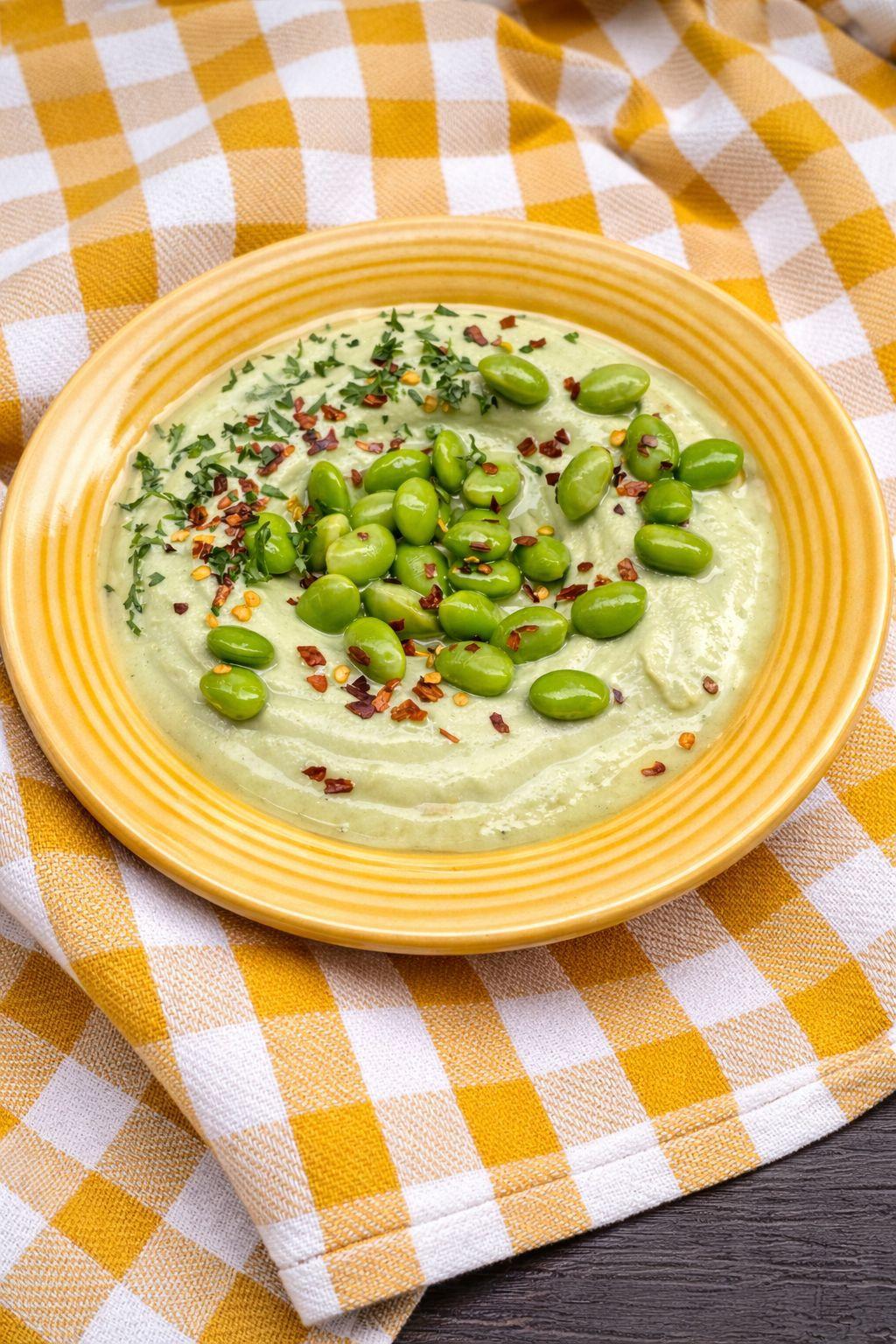
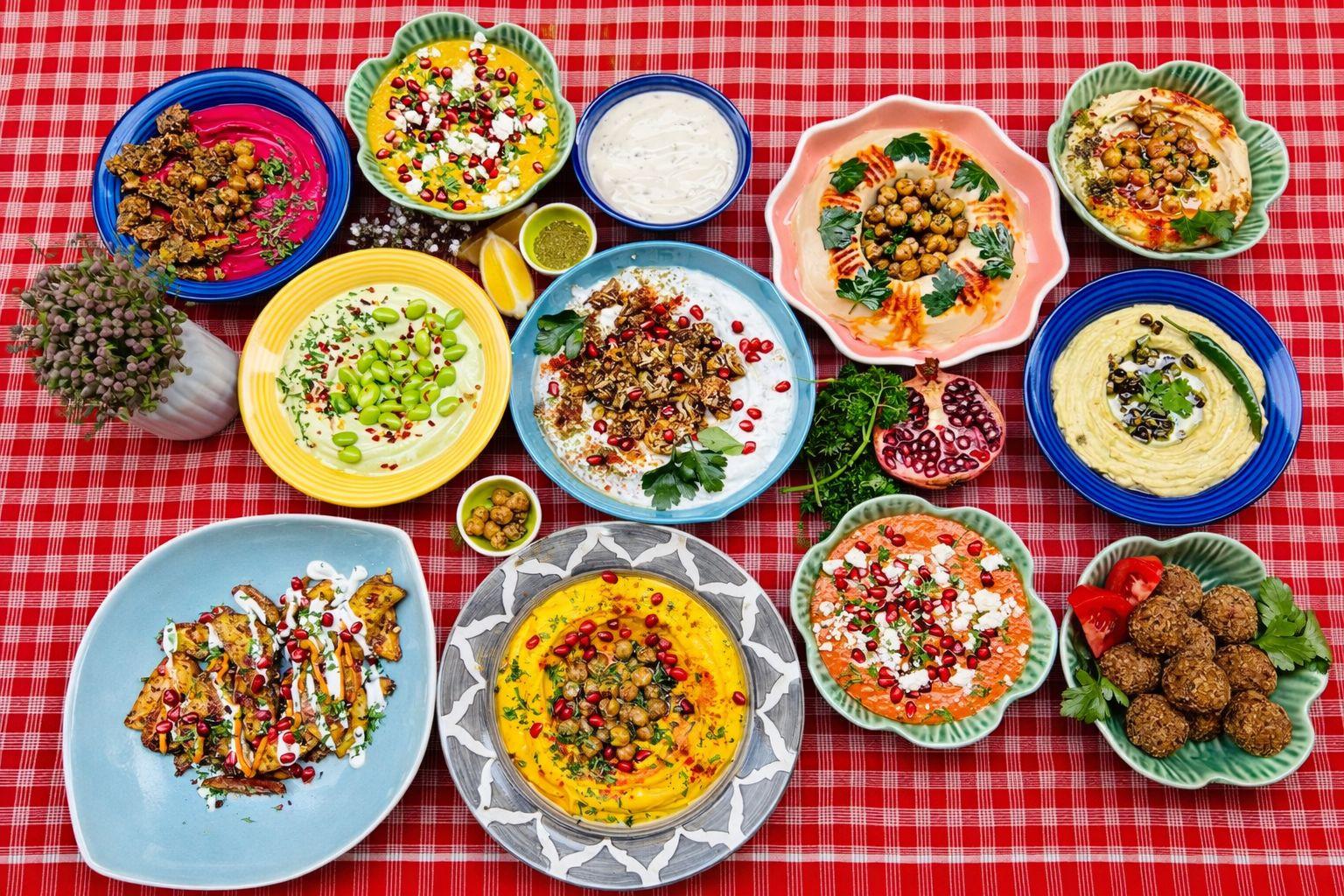
A well-plated dish maintains balance and harmony throughout its composition. This involves thoughtfully arranging ingredients, colours, and textures to create an attractive visual display. Another important aspect of plating is the use of vibrant ingredients and contrasting colours to make a dish more visually appealing. Bright fruits and vegetables, edible flowers, and colourful sauces can add depth, texture, and vibrancy to a plate. A variety of textures, including crispy, creamy, crunchy, and silky elements, adds both visual interest and an enhanced eating experience. Carefully layering ingredients can elevate the presentation while creating a more dynamic dish. Negative space is equally important. The empty areas on a plate help draw attention to the key components of a dish while preventing the presentation from appearing overcrowded. Stacking ingredients, adding vertical garnishes, or creating layered compositions gives a dish dimension and makes it more visually engaging.
Modern plating incorporates a variety of techniques to achieve artistic excellence. Some of the most popular include:
-
Linear plating, where ingredients are arranged in a straight line to create a clean, structured appearance.
-
Free-form plating, an abstract style that allows ingredients to be placed organically for a more artistic effect.
-
Layered or stacked plating, which creates depth and dimension through carefully arranged components.
-
Sauce artistry, using swirls, dots, or brushstrokes to add visual interest and enhance the overall presentation.
-
Minimalist plating, which embraces the philosophy of "less is more," with every element intentionally positioned.
The influence of social media on plating
Social media has transformed dining into a visual experience. The rise of 'instagrammable' food has encouraged chefs and home cooks alike to place equal importance on presentation and flavour. Restaurants now design dishes with photography in mind, ensuring each plate tells a visual story. At the same time, home cooks have embraced plating techniques to recreate restaurant-style presentations and share them online. As culinary innovation continues to evolve, the future of plating is expected to combine science, technology, sustainability, and personalisation. Edible flowers, natural garnishes, and biodegradable presentation elements are becoming increasingly popular as environmentally conscious dining takes centre stage.
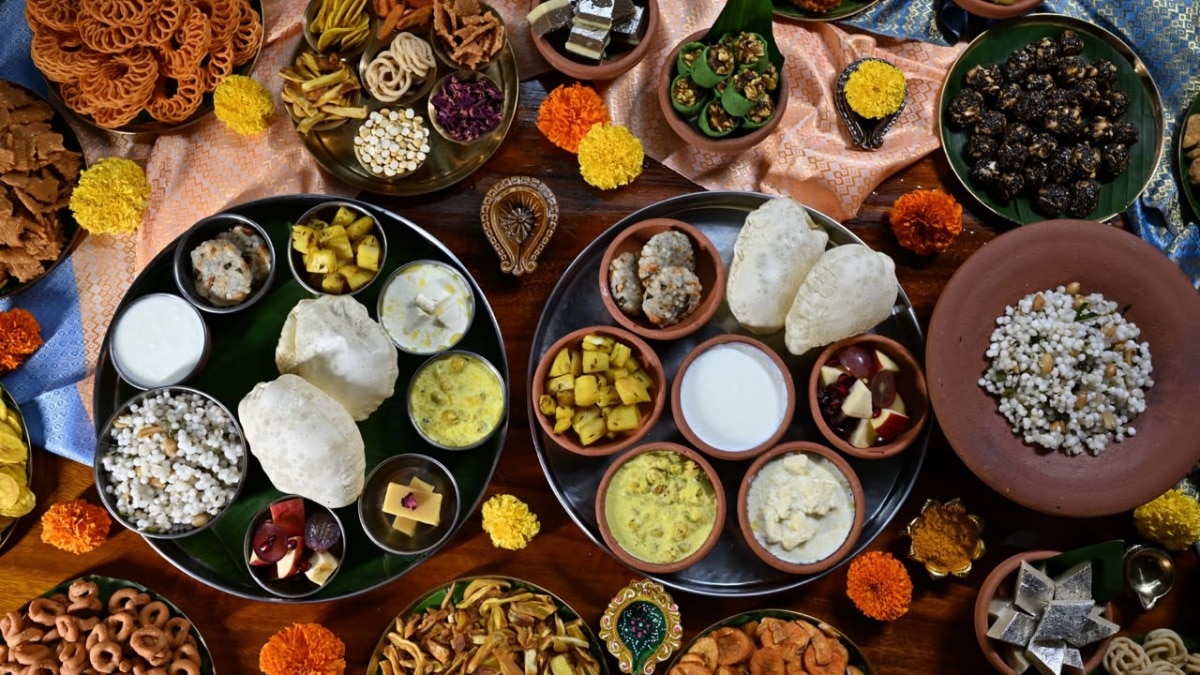
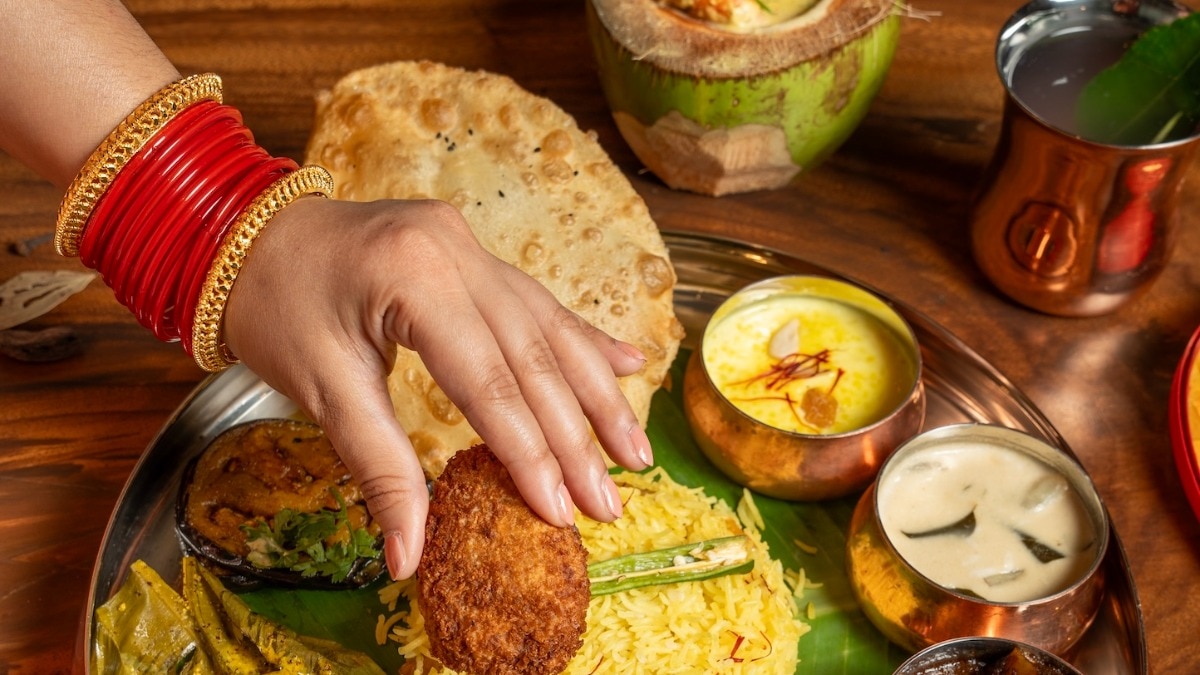
Different countries have developed their own distinctive plating traditions, making it a rich and diverse culinary art form. Japanese kaiseki is a traditional multi-course meal that celebrates seasonal ingredients, the beauty of nature, and understated elegance. French fine dining is recognised for its refined compositions, intricate sauces, and precision plating. The Indian thali presents a vibrant assortment of dishes served in small portions on a large platter, creating a colourful and complete dining experience. Mediterranean cuisine embraces rustic plating, where fresh, natural ingredients are presented in a relaxed yet visually appealing style.
The art of plating is about far more than arranging food on a plate; it is a form of artistic expression that elevates the dining experience. From luxury restaurants to home kitchens, plating has become an essential element of storytelling, visual appeal, and culinary satisfaction.
Text by Aliza Noor
(Also Read: Benne dosa's rise marks a return to honest Indian food)
Other topics
Continue Reading