- Home
- Food
HELLO! India Exclusive: "Food is rarely just about food": Chef Rahul Akerkar on hospitality and the human connection
Chef Rahul Akerkar speaks to HELLO! India about the evolution of Indian diners, the ingredients he believes deserve greater attention, and the lessons he has learned from decades in hospitality
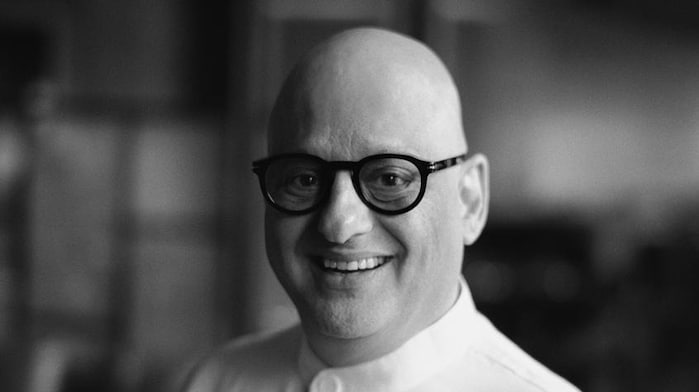

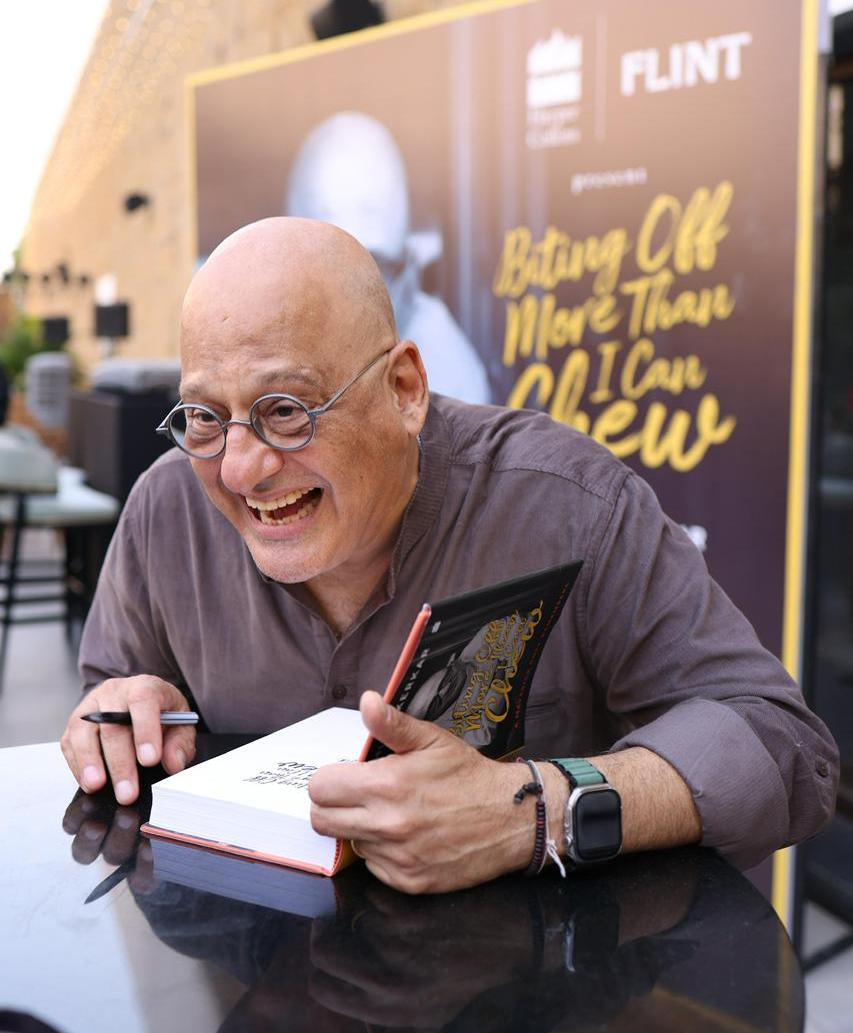
Indian diners are more curious, informed and connected to their food than ever before. From rediscovering regional ingredients and traditional techniques to embracing local flavours with renewed pride, the country's dining culture is undergoing a significant shift. Few people have witnessed that transformation as closely as chef-restaurateur Rahul Akerkar, whose restaurants helped shape modern dining in India. As he releases his memoir, Biting Off More Than I Can Chew, Akerkar speaks to HELLO! India about the evolution of Indian diners, the ingredients he believes deserve greater attention, and the lessons he has learned from decades in hospitality.
Biting Off More Than I Can Chew traces Akerkar’s unconventional journey from studying biochemical engineering to becoming one of India’s most influential restaurateurs. The memoir chronicles everything from launching his first catering venture out of his mother’s kitchen to creating Indigo, the iconic restaurant that earned a place on the World’s 50 Best Restaurants list in 2007. Filled with celebrity encounters, behind-the-scenes restaurant stories, hard-earned lessons and candid reflections on success and failure, the book offers a rare look at the realities of building a restaurant empire.
(Also Read: HELLO! India Exclusive: Inside the mind of masterchef Manish Mehrotra)
HELLO! India: What excites you most about the way Indian diners have evolved?
Chef Rahul Akerkar: I think Indian diners today are far more curious and emotionally connected to food than they were a decade ago. People are travelling more, reading more, cooking more, and asking deeper questions about where ingredients come from and why certain dishes matter culturally. There’s also a growing confidence in regional Indian identity. Earlier, luxury dining often meant looking outward to international cuisines. Now, diners are just as excited by a beautifully executed sol kadhi, a forgotten pickle, or a hyper-local ingredient presented with care and thoughtfulness. We’re a lot more comfortable looking inwards and championing our own rich culinary heritage.
HELLO! India: What’s one flavour profile you keep returning to?
Rahul Akerkar: I’m always drawn to flavours that balance warmth, acidity, and depth. It’s no secret that I love the sweet-sour flavour profile that makes dishes pop with a bright acidic freshness that makes you want more. Kokum, fermented elements, smoke, curry leaves, pepper, tamarind—those kinds of layered, savoury profiles keep pulling me back in. I love food that feels comforting at first but reveals complexity the longer you sit with it.
HELLO! India: Is there an ingredient you think deserves more attention in modern Indian dining?
Rahul Akerkar: There are many, but I think traditional fermented ingredients and techniques across India deserve much more attention. Every region has its own understanding of preservation, ageing, pickling, curing, or fermentation, and a lot of that knowledge is disappearing. There’s incredible sophistication in those practices, both in flavour and technique, and I think modern Indian dining is only beginning to scratch the surface of it.
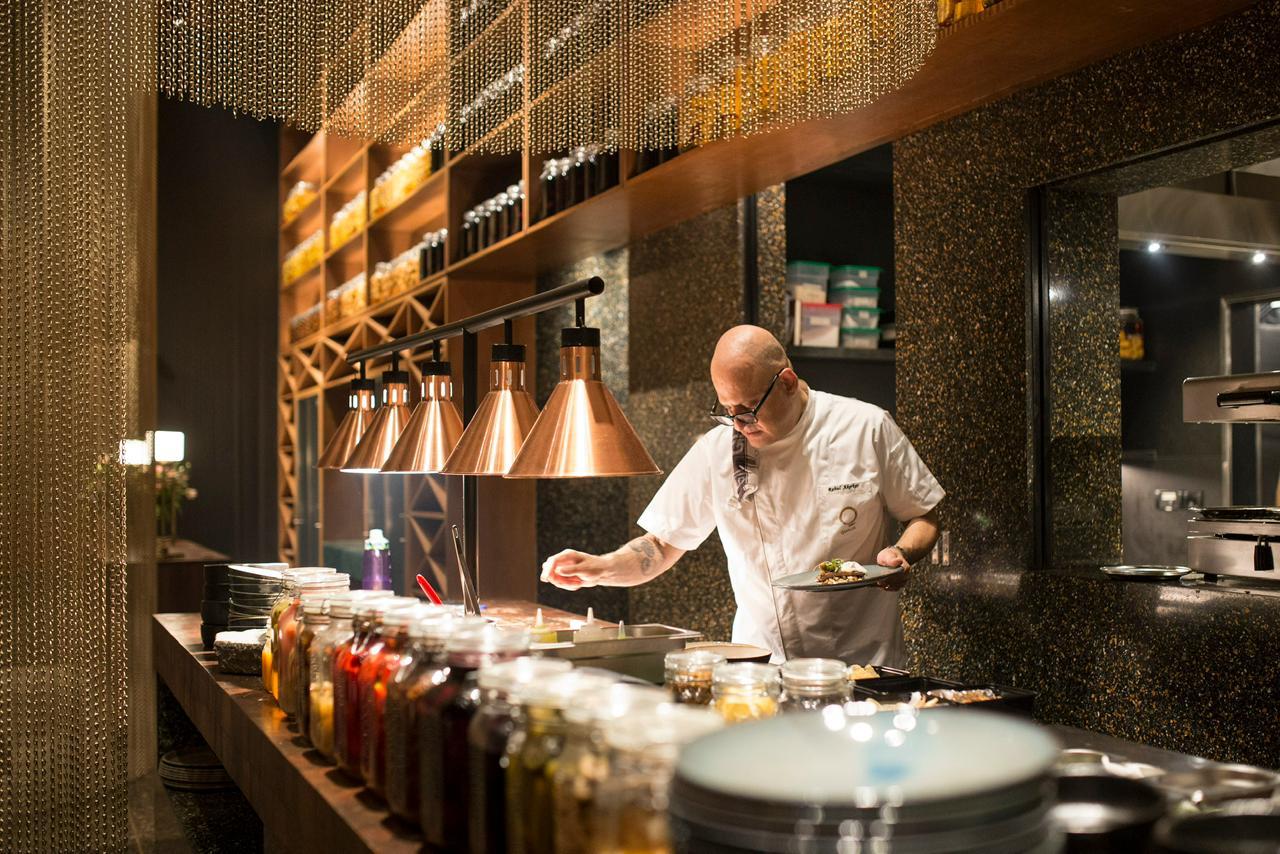
(Also Read: Art-inspired restaurants to dine with artistic flair)
HELLO! India: What has running restaurants taught you about people and culture?
Rahul Akerkar: Restaurants teach you that food is rarely just about food. People come into restaurants carrying memories, emotions, celebrations, heartbreak, nostalgia, ambition; all of it. Hospitality is really about understanding human behaviour and creating spaces where people feel seen and comfortable. Over time, you also realise that culture lives in small details. The way someone orders, shares a meal, lingers at a table, or remembers a dish years later.
HELLO! India: What separates a memorable dining experience from simply a good meal?
Rahul Akerkar: A good meal satisfies you in the moment. A memorable dining experience stays with you emotionally. That usually comes from a combination of things—warmth, timing, atmosphere, music, service, storytelling, and the feeling that something genuine happened while you were there. People may forget individual dishes, but they remember how a place made them feel.
HELLO! India: What’s your relationship with perfection in the kitchen today compared to earlier in your career?
Rahul Akerkar: Earlier in my career, I probably chased perfection in a much stricter and more technical way. Now I think more about honesty, consistency, and soul. Precision still matters immensely, but I’ve learned that some of the most beautiful moments in food come from instinct, spontaneity, and humanity. I’m less interested in sterile perfection and more interested in creating food that feels alive.
(Also Read: HELLO! India Exclusive: Chef Deepanker Khosla shares his recipe for success)
Other topics
Continue Reading