- Home
- Health & Fitness
Bach flower therapy and the alternative therapy supports emotional balance
This alternative therapy, developed in the 1930s, is rooted in the belief that emotional balance plays an important role in overall wellbeing
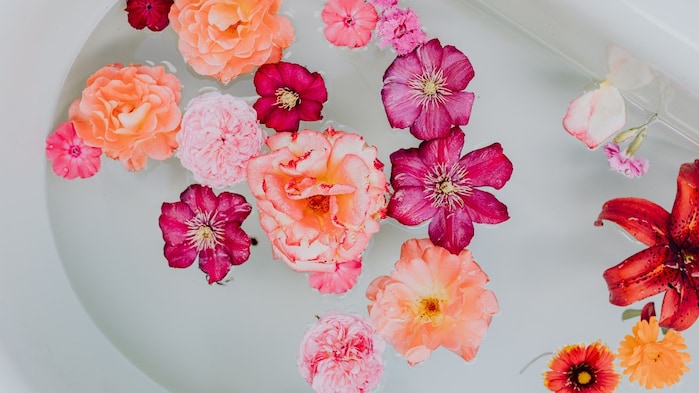

From navigating everyday stress and emotional overwhelm to managing self-doubt and uncertainty, emotional wellbeing is increasingly becoming an important part of the wellness conversation. Bach flower therapy, a complementary practice developed in the 1930s, takes a gentle, emotion-focused approach to wellbeing, using flower essences to address different emotional states.
(Also Read: How Deepika Padukone’s wellness journey has evolved with motherhood)
What is Bach flower therapy?
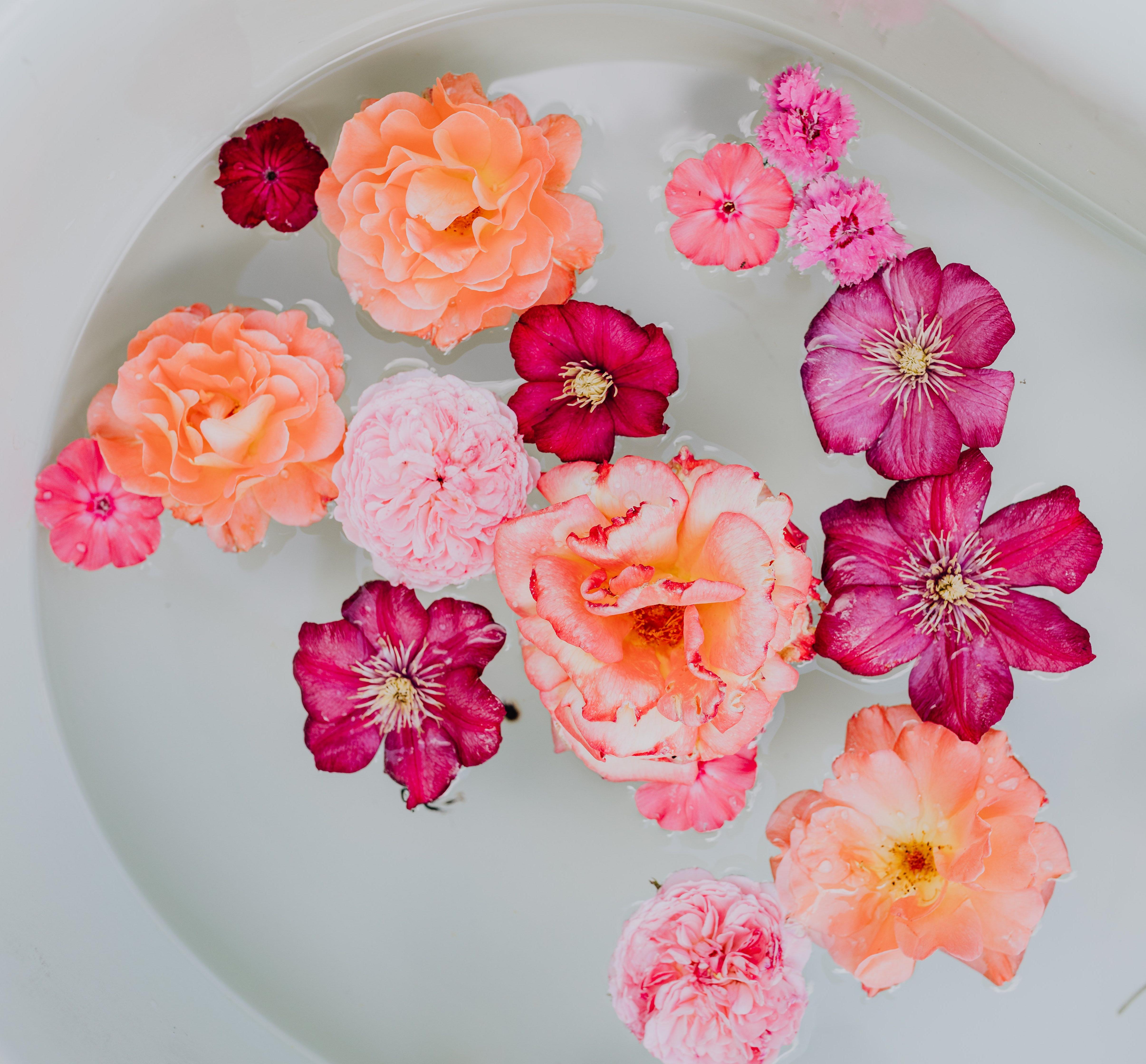
Bach flower therapy is a complementary wellness practice that uses flower-based essences to help address emotional states such as stress, anxiety, fear, uncertainty and low mood. Developed by British physician Dr Edward Bach in the 1930s, the therapy is rooted in the belief that emotional balance plays an important role in overall wellbeing. It comprises 38 flower remedies, each associated with a particular emotional state.
(Also Read: An expert on what happens to the brain during menopause)
What does the therapy involve?
The therapy centres on identifying emotions that may be affecting an individual's sense of balance. A practitioner typically begins with a consultation to understand a person's emotional concerns, thought patterns, feelings and current circumstances before selecting remedies suited to their needs. The essences are prepared through methods involving flowers, water and dilution, and are generally administered as drops either directly or mixed into a glass of water. A combination of remedies may be recommended, with dosage and duration depending on the individual's requirements.
Potential benefits of Bach flower therapy
Bach flower therapy is often sought by those looking to manage everyday emotional stress, feelings of overwhelm, restlessness, self-doubt or difficulty navigating change. Practitioners believe the remedies can encourage emotional resilience, self-awareness, calm and a more positive outlook. The process also offers an opportunity to pause, reflect and become more mindful of one's emotional needs.
(Also Read: Why taking a break is a step forward to a happier life)
Other topics
Continue Reading