- Home
- Health & Fitness
From Lamine Yamal to Jude Bellingham, a look at the training routines of football's biggest stars
From Spain's Lamine Yamal to England's Jude Bellingham, HELLO! India glimpses into the workout routines of some of the world's best footballers

A football match lasts 90 minutes, but the endurance and training required to perform at that high a level is built over decades. Whether one is an attacker or defender, each position demands a different skill set, which requires a tailored training programme for their role on the pitch. The discipline and consistency required are immense, but these footballers have mastered both. HELLO! India glimpses into the workout routines of some of the world's best footballers playing at the FIFA World Cup 2026.
(Also Read: 5 of the sweetest footballer meet-cutes)
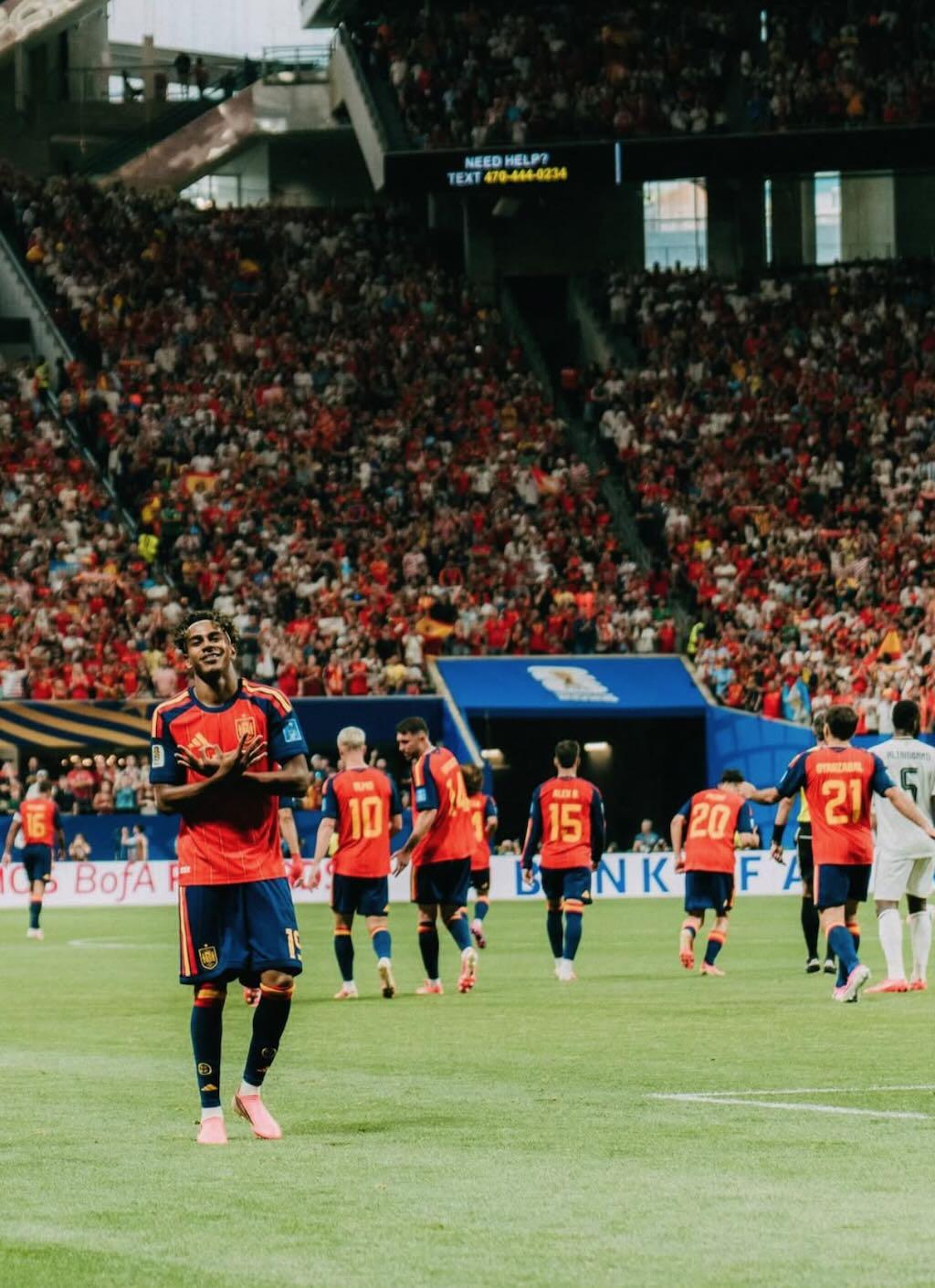
1. Lamine Yamal
The winger focuses on a mix of agility, explosive sprints, and sharp technical skills. Instead of prioritising heavy bench pressing and bulking, his training is designed to strengthen his legs, hips, and core. The 76 kg athlete maintains low body fat and avoids excess muscle mass to preserve his explosive acceleration. He focuses on low-repetition strength training, incorporating exercises such as trap-bar deadlifts, Bulgarian split squats, and single-leg box jumps. For cardiovascular conditioning, he combines steady jogs, high-speed runs, and repeated all-out sprints. He completes two to three high-intensity interval training sessions each week to maintain his lean physique and speed, with workouts designed to replicate the demands of a 90-minute match.
2. Lionel Messi
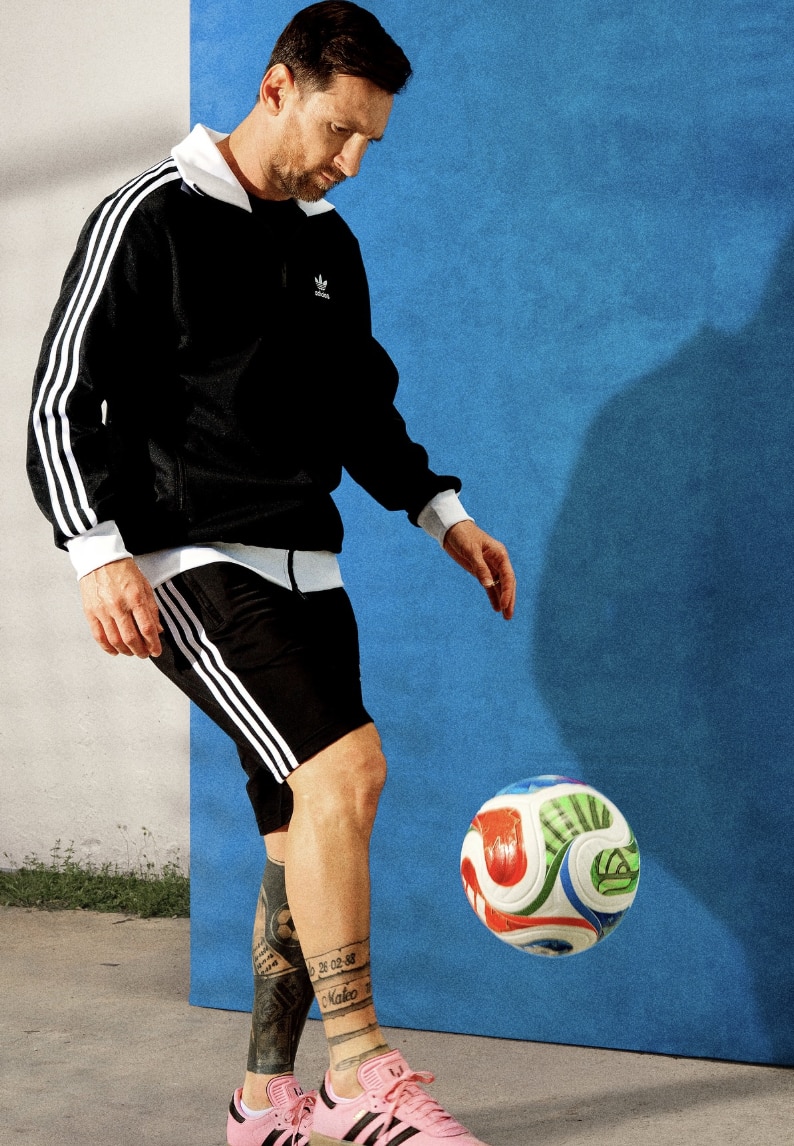
During the season, Messi trains five days a week, focusing on speed, functional strength, and flexibility. His routine is divided into linear and multidirectional speed training, incorporating movement preparation drills and plyometrics to improve pace and agility. Some of the captain's favourite exercises include hurdle hops, Russian twists, and bodyweight pull-ups, which support his explosive sprints and low centre of gravity on the pitch.
3. Cristiano Ronaldo
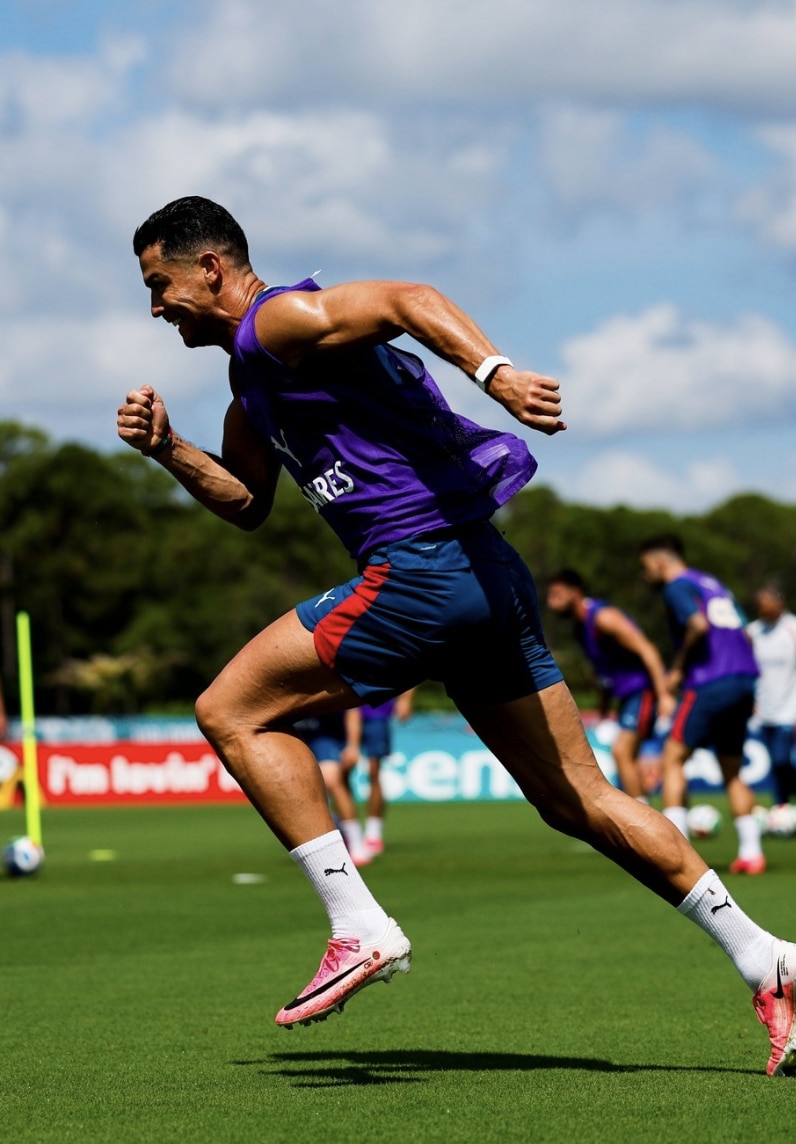
The Portuguese star is renowned for his relentless and disciplined approach to fitness. His training combines intensive weightlifting, sprint work, and high-intensity cardio to maintain his strength and speed. Among his favourite exercises are squats, deadlifts, lunges, box jumps, and core-focused movements such as planks, which help build stability and power. Typically training for three to four hours a day, five days a week, Ronaldo also places great emphasis on mental strength, recognising it as a crucial part of his performances on the field.
4. Emiliano Martínez
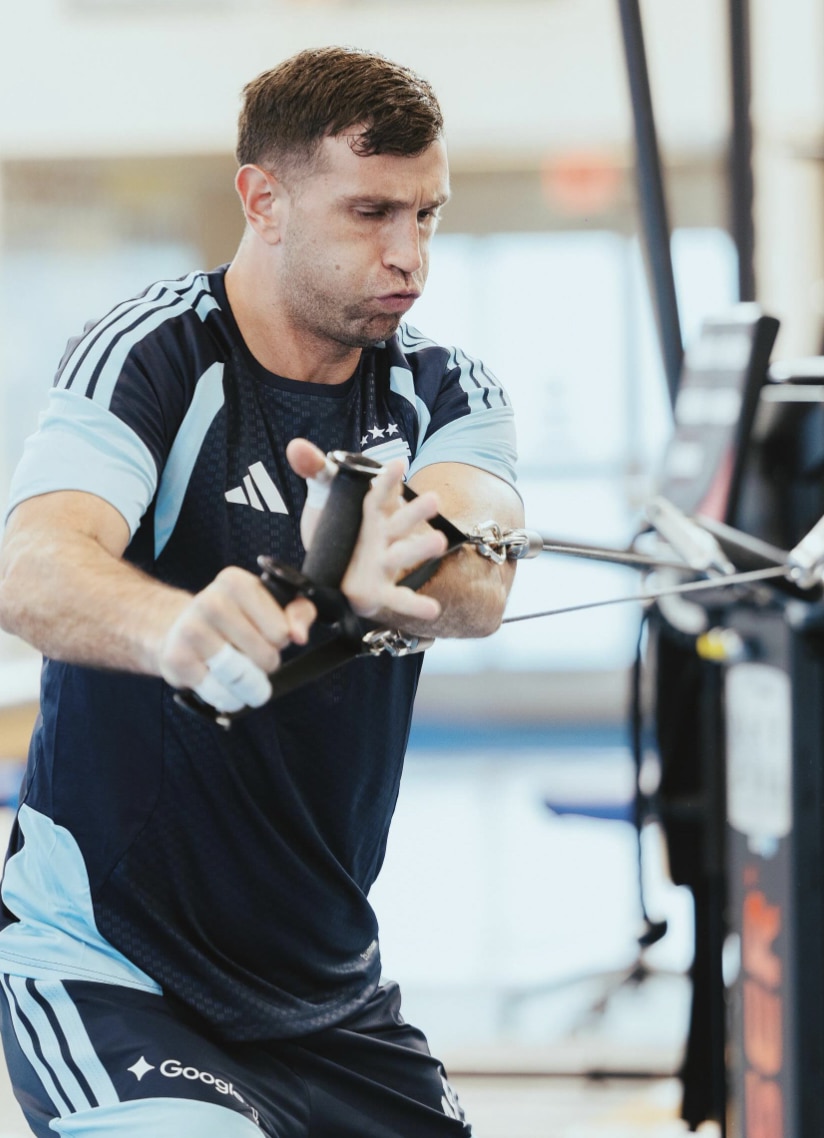
As one of football's top goalkeepers, Martínez's training focuses on explosive power, reflexes, and position-specific drills, including rapid reaction exercises, shot-stopping, and ball handling. He also follows a holistic approach to performance, incorporating Pilates, yoga, massage therapy, relaxation techniques, and regular sessions with a sports psychologist. His independent training also includes extensive visualisation exercises, which play a key role in helping him maintain focus, confidence, and composure ahead of major matches.
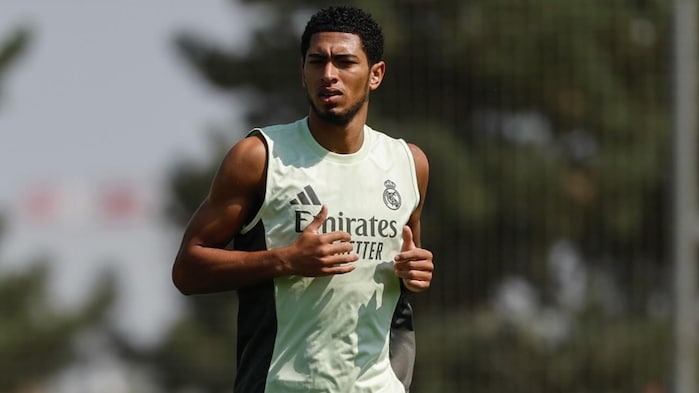
5. Jude Bellingham
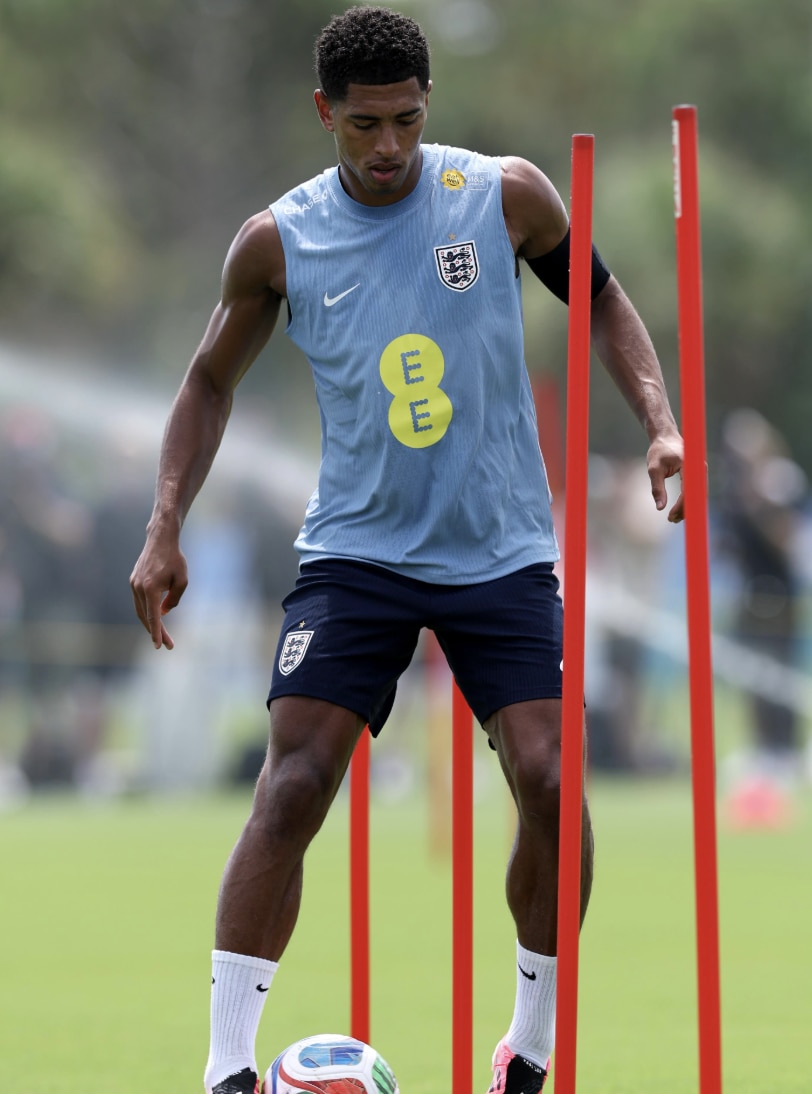
The modern box-to-box midfielder follows a rigorous fitness routine centred on functional strength rather than muscle size. His gym sessions include squats, lunges, Bulgarian split squats, deadlifts, and core-strengthening exercises. Since joining Real Madrid, Bellingham has added muscle and developed a more defined physique. His conditioning programme enables him to cover vast distances, transition quickly between phases of play, and maintain a high level of performance even under fatigue.
Text by Tamanna Jain
Edited by Dayle Pereira-Alemao
(Also Read: Meet the famous football WAGs stealing the spotlight)
Continue Reading