- Home
- Lifestyle
The journey of sustainable travel from a buzzword to a movement
After taking a backseat in the early 2020s, travel is back; it’s bigger than ever and it’s more eco-friendly than ever before
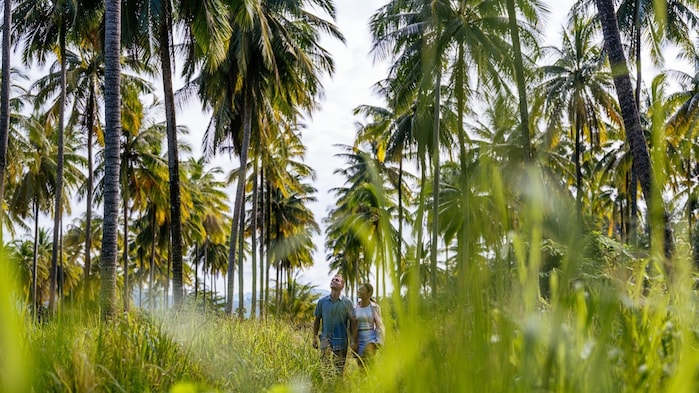

The next time wanderlust strikes, a brisk browse online will reveal what’s *ahem* making waves in the travel sphere. Here are the headlines: Cool-cations continue to captivate those in tropic climes, cultural tourism encourages travellers to book their tickets for concerts and tournaments and sustainable travel is growing at a pace like never before.
(Also Read: The cool-cation trend is shaping Indian travel this winter)
The rise of sustainability in travel
If you’ve heard the latter multiple times over, you can write it down to the fact that sustainability caught the world’s attention in the 2010s. From jackets made of water bottles to refillable beauty products, it prevailed in the lifestyle sphere and brands distinguished themselves by how environmentally-conscious they could be; thus raking in the eco-cool points. A decade later, the COVID-19 pandemic shook the foundation of nearly every industry—travel, most of them all. The sudden pause from moving between cities, countries and continents led to much-needed human introspection; which has made the re-entry into journeying after the pandemic more intentional about its purpose and mindful about the effects of travel on its surroundings and residents. Mathieu Sneyers, Director of Marketing Communications at JW Marriott Khao Lak Resort & Spa shares his thoughts on the change, stating, “Travellers today are more aware of their impact and want their choices to reflect their values. For hotels, it encourages better long-term thinking, more responsible operations and greater transparency. Sustainability is simply the direction our industry needs to move in.”
Where sustainability surpasses trends
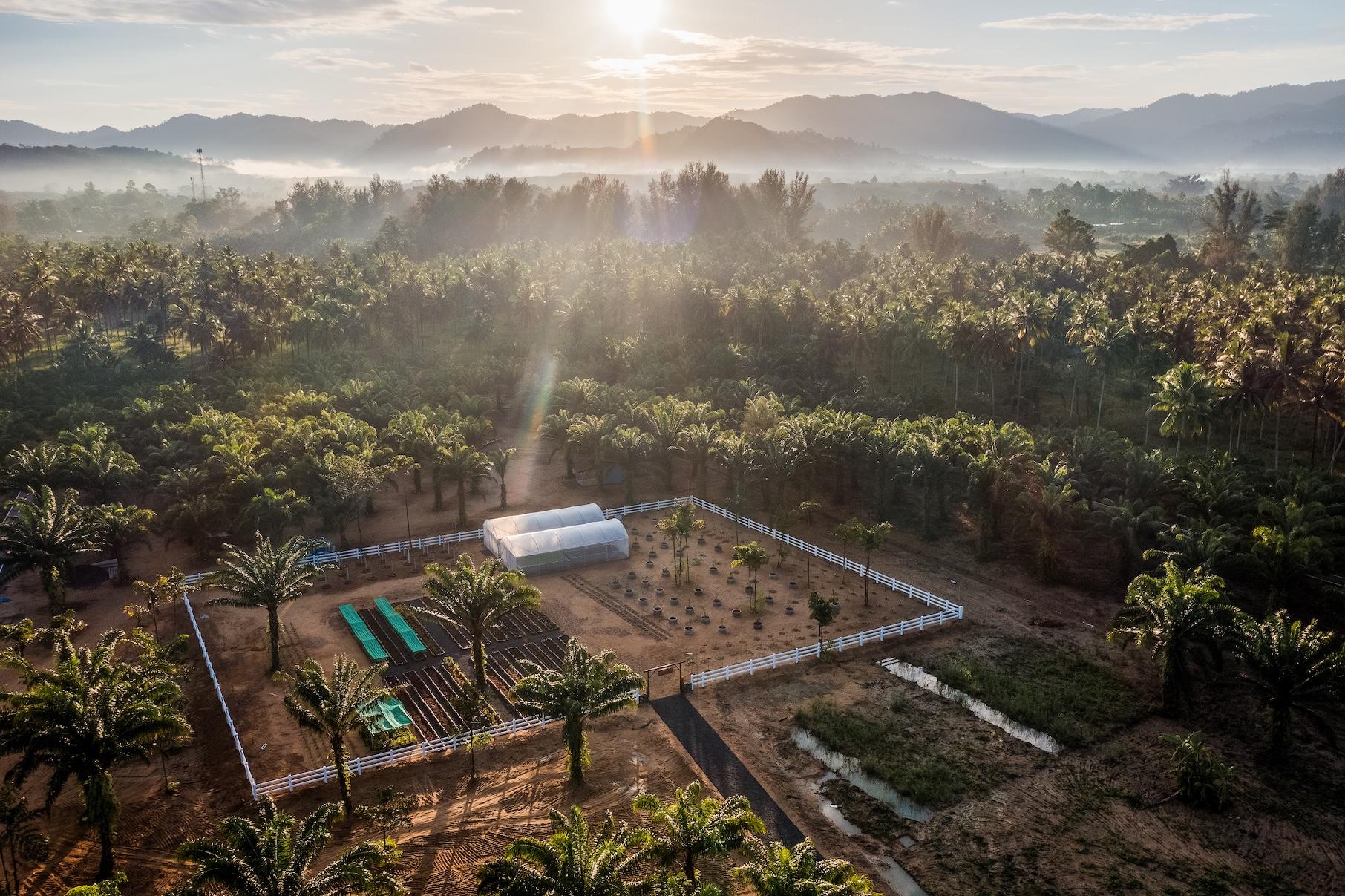
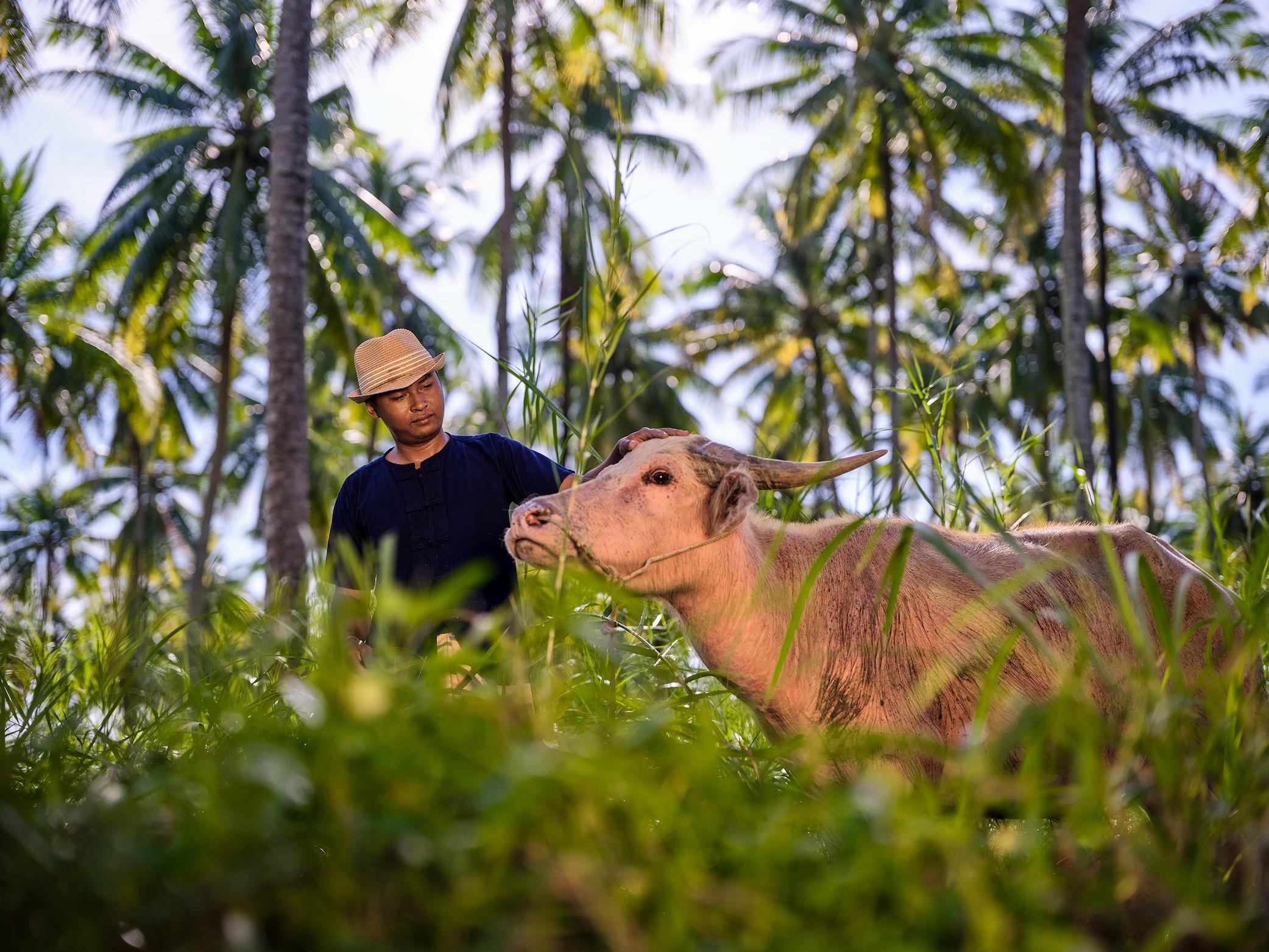
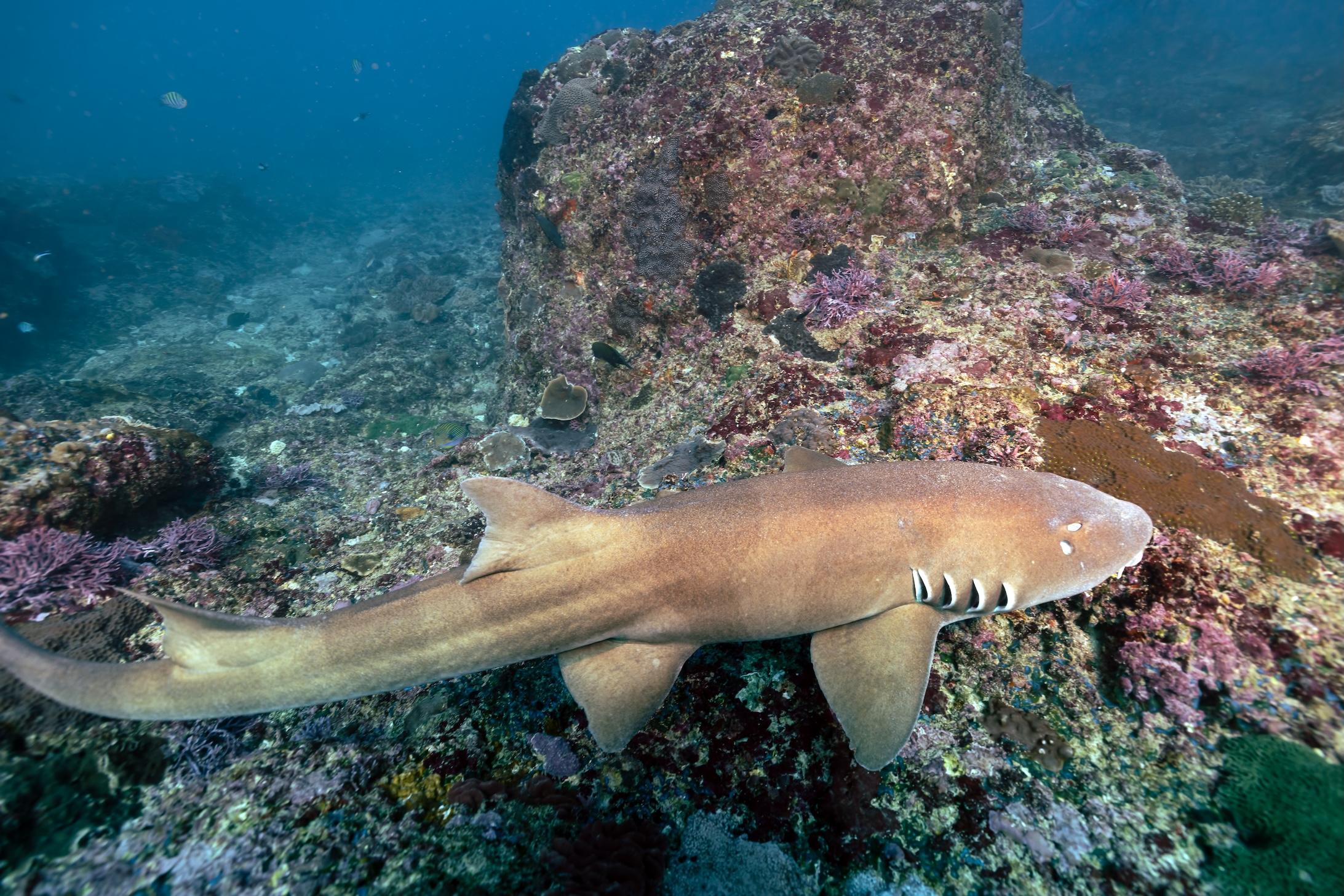
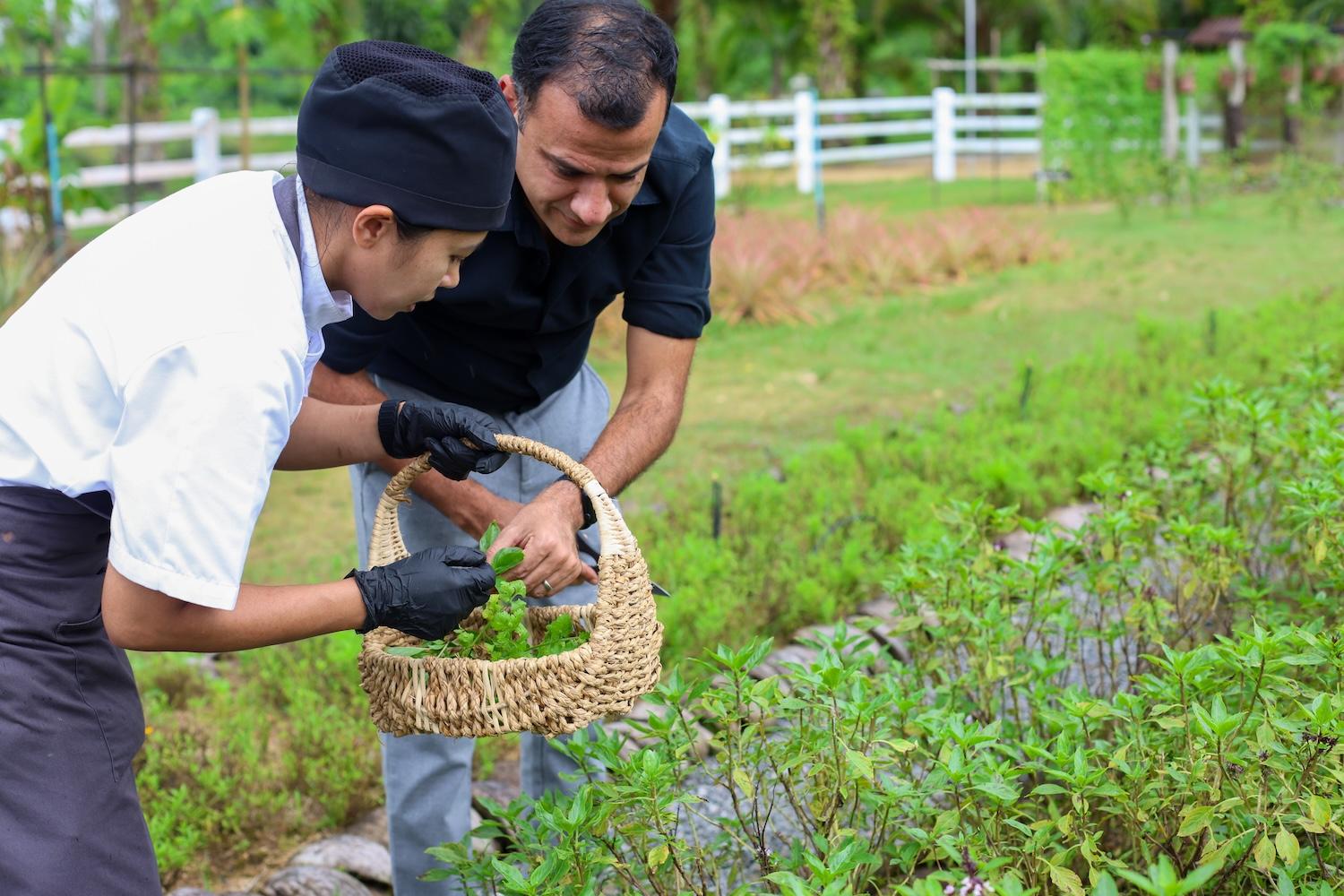
Today, travel has fallen back into regularity but sustainability continues to be a key tenet in the hospitality industry; not just in word but also in deed. That’s particularly true at the JW Marriott Khao Lak Resort & Spa. Set in Phuket’s quiet province of Phang Nga, the five star resort embraces Southern Thailand’s natural beauty and serves it with luxurious élan. Its highlights require plenty of scrolling—from featuring South East Asia’s longest swimming pool that wraps itself around the resort to unrivalled beach sunsets with a signature cocktail and the day’s fresh catch. But its JW Garden tops that list; regardless of how winding it is. Their founders, J. Willard Marriott and Alice Marriott’s love for the outdoors was legendary, which led to the creation of their signature element across JW Marriott properties over the world. At Khao Lak’s JW Garden which is navigated via a buggy or bicycle ride, they grow over 200 varieties of herbs, fruits and vegetables; of which the lemon trees are dotted with buds and pumpkin creepers lurch heavily with the weight of the season’s produce. The property's goats; who curiously eye the gate at new visitors, and hens and ducks who cluck loudly in their coops; respectively provide goat milk and free-range eggs to the hotel’s kitchens. Water buffalos—a pivotal part of Thailand’s agricultural economy—are agreeable to a head pat or two but the property's industrious honey bees don’t have a second to spare as they busily produce the divine nectar that is served at breakfast. Planting nipa palms gets one’s hands dirty as well as preserve the region’s indigenous plantations to support local biodiversity. The Bamboo Shark, a ‘near threatened’ species that is native to the Andaman Sea, is incubated, reared through various stages of life and finally released into the sea from their Bamboo Shark Nursery. The experiential quality of bio-conservation, farming and agriculture introduces guests to a new facet of sustainability. “We run a Bamboo Shark Nursery in partnership with Oceans For All, which helps protect a vulnerable local species and gives guests a meaningful connection to the marine environment.”, informs Mathieu.
Eco-friendliness is about process; not product
A vacation spent surrounded by the sight of lush paddy fields dotted with pristine white egrets, the taste of scrambled eggs (hauled straight from the coop) and the sound of waves lapping against the shore sounds like a dream. At the JW Marriott Khao Lak Resort & Spa, what roots it in reality is its experiential value that brings guests closer to nature. Through guided workshops and natively-valued activities, guests are imbibed into the fabric of the culture, food and lifestyle of the peaceful Phuket village. That is a gift so treasured, it can’t be packed in your suitcase but will stay with you for a lifetime. Partaking in the release of baby Bamboo Sharks back into the Andaman Sea, indulging in Masterchef-led cooking classes with hand-picked herbs, indulging in farm-to-table gourmet dishes, kayaking in the breezy backwaters and catching sight of insects, birds and fish are the kind of experiences that shift one from within; taking them beneath the surface of a passing trend into a movement grounded in protecting the fragile ecological balance and promoting its growth. “Sustainability is integrated into daily life at the resort. Our JW Garden supports farm to table dining, circular thinking in the kitchen and guest learning. Across the property we focus on mindful sourcing, waste reduction and thoughtful operations. It is part of how we run the hotel, not an extra initiative. Through Good Travel with Marriott Bonvoy, we offer activities that allow guests to contribute directly to conservation and community projects. These programmes make sustainability hands on, creative and memorable.”, adds Mathieu.
And while not-quite-as glamorous, the reality of renewable energy, recyclable product and waste management can also seem like an unsurmountable challenge in this age of quick production and plastic packaging. Through solar power, a cyclical production system for food scraps and the property's near-magical ability to turn waste like food discards into compost and manure, they’ve found success. To this, Mathieu informs, “When a destination becomes very busy very quickly, local ecosystems can feel the pressure. Waste management, especially plastic waste, is a common challenge. This is why responsible tourism and circular practices are so important in our region. Our vision is to move further into regenerative hospitality and to continue building on what we have already put in place.”
Transitioning sustainability from a trend to a staple
The future of travel; although turbulent in the early 2020s, now seems brighter than ever. The cookie-cutter holidays of staggering through unfamiliar surroundings while ticking through a long list of must-see sights has finally been put to rest. The modern traveller isn’t simply seeking a stamp on their passport—they expect a memory, an experience, a journey that imprints itself into their psyche and makes their hours and money spent travelling across time zones, well worth it. When travel is sustainable; through organic produce, environmental conservation or local experiences, travellers know that their journey makes a positive impact, making them richer when they leave for their homelands. Says Mathieu, “Travellers are more aware of their impact and want their choices to reflect their values. For hotels, it encourages better long-term thinking, more responsible operations and greater transparency. That’s why it’s crucial for the hospitality industry to support the movement in every way they can. At the JW Marriott Khao Lak Resort & Spa, they aren’t putting on a show; sustainable living is simply they way they function in. “We do not believe in greenwashing in any form. We walk the talk, and everything we share with guests is based on real, daily practices that take place across the resort”, states Mathieu and adds, “Our aim is to keep raising the standard for conscious travel in Thailand and to show that luxury and responsibility can work naturally together”.
Luxury and responsibility can certainly work cohesively for which, the proof here isn’t just in the pudding; it’s also in their produce, community and culture.
(Also Read: From Kenya to Qatar, 6 of the world’s best spots to see the Milky Way)
Continue Reading