- Home
- Beauty
Stress, sleep, nutrition: The hidden factors shaping hair health today
Hair health is now more than its aesthetic value as it has become a visible reflection of overall well-being, to signal lifestyle, stress levels, nutrition, and internal balance
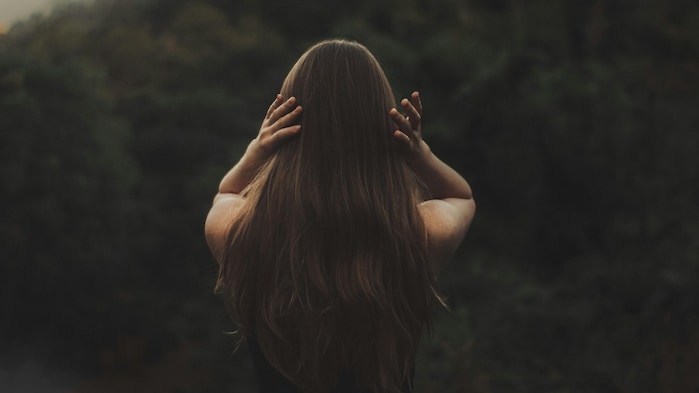

Every conversation around hair has largely revolved around beauty; for its texture, shine and colour. As times are changing, hair health is being understood as a reflection of what is happening internally within the body. From chronic stress and poor sleep to nutritional depletion and hormonal imbalance, experts are now viewing hair as one of the earliest and most visible indicators of overall health and lifestyle strain. Rather than existing as a solely cosmetic concern, hair health is now closely tied to broader discussions around recovery, stress management, sleep quality, hormonal health, and emotional well-being.
(Also Read: 5 skincare myths experts want us to leave behind)
A recent report by Traya Health places this connection into sharp focus. Conducted among 76,727 Indian mothers, which includes pregnant women, breastfeeding mothers, and women within the first year after childbirth, the study explored how sleep disruption, stress, and lifestyle pressures may be contributing to long-term hair concerns. The findings reveal a striking pattern. According to the report, 53.41% of respondents said they experienced disturbed sleep, ranging from waking up repeatedly during the night to sleeping less than five hours or struggling to fall asleep altogether. Another 15.02% described their sleep as only partially restful. Stress levels appeared equally significant. Nearly half of the mothers surveyed i.e. 47.35% of them described themselves as “very stressed,” with many saying stress affected their mood, focus, and daily functioning. Another 34.54% reported feeling consistently tense multiple times a week.
While hair fall after pregnancy is widely recognised as a temporary hormonal response, the report suggests that what often prolongs the issue is not childbirth itself, but the years of exhaustion, interrupted sleep, emotional labour, and nutritional depletion that follow. Elevated stress hormones, lack of recovery, and reduced nutritional reserves can all affect the hair growth cycle, pushing more follicles into shedding phases faster than the body can adequately restore them.
The report explains that healthy hair relies heavily on three essential conditions: adequate rest, emotional balance, and proper nutrition. Yet these are often the very things many women begin losing during major life transitions such as motherhood, demanding careers, caregiving responsibilities, and chronic burnout. Saloni Anand, Co-Founder of Traya Health, noted in the report that many women continue experiencing hair fall years after childbirth, not because the original trigger remained, but because the conditions surrounding stress and recovery never fully improved.
The broader takeaway reflects a growing cultural shift in how hair is perceived. Increasingly, thinning hair, excessive shedding, or loss of vitality are being viewed not simply as surface-level concerns, but as signals of deeper imbalance within the body. Beyond aesthetics, hair is emerging as an outward reflection of internal health, emotional resilience, and the cumulative effects of modern lifestyles.
(Also Read: Bangs are this summer's it girl hairstyle)