- Home
- Fashion
How Indianisation swept the global red carpet
For centuries, the West has borrowed from the rich traditional and cultural heritage of the East and today, this wave has extended to the global red carpet as well

For centuries, the West has borrowed from the rich traditional and cultural heritage of the East. Tea drinking; which was a meditative and medicinal practice in ancient China, was embraced by Europe in the 17th century, which further led to the British tradition of afternoon high tea. The very vessels it was sipped from also ended up being porcelain imported from China. Yoga; one of India’s most legendary exports, traces its origins to the Vedic period for its mastery of the mental and spiritual states. In the late 1800s, Swami Vivekananda introduced it to USA. Today, yoga in the Western world is a multi-billion industry that includes off-shoots, including hot yoga and ‘doga’ i.e. asanas done with your furry friend.
(Also Read: From Alia Bhatt to Kim Kardashian, HELLO! India looks at 2025's most iconic archival looks)
The Western fashion industry’s penchant for borrowing from the Eastern side of the world without due credit, follows a similar trajectory. Ever heard of a pattern called ‘boteh’? Of course you haven’t, because it’s known across the world today as ‘paisley’. The mango-shaped design which combines a spray of florals with a cypress tree is a Zoroastrian symbol of life and fertility. Inspired by the design over Kashmir’s pashmina shawls but subtracting the high coast of manufacturing original pashmina, the pattern was then imitated and mass-produced in the Scottish town of Paisley, which is it now known by over the world. The turban; a revered headdress worn by royalty across the Eastern world, was viewed as an exotic accessory in Europe and even found a prime spot in European history when Dutch painter Johannes Vermeer featured a Turkish-style turban in his famed piece, Girl with a Pearl Earring.
Turning to the East for inspiration while being detached from their culturally-rich countries of origin continues across industries today; from Indian kitchen staples like ashwagandha and ghee being touted as Western superfoods to Korean beauty routines becoming a worldwide phenomenon to the Japanese ceremonial tea of matcha becoming more of a lifestyle than a beverage.
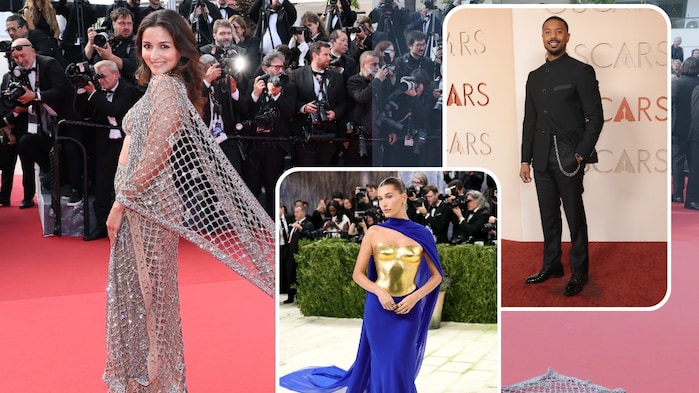
Today, this wave has extended to the global red carpet as well. Michael B. Jordan started the year on a high. The star collected the Academy Award for the Best Actor for his dual role in Sinners. His custom-crafted Louis Vuitton ensemble; which conveyed power and poise, looked familiar to the South Asian audience watching that night. The Parisian design house termed his look as “modern aristocratic cool” but it was much more than that; at least for those who knew. Michael’s ensemble, called a tailored jacket and trousers by media outlets, was; in actuality, a bandhgala. Bearing the Indian garment’s distinctive standing collar, a lined single pocket and buttons down the front couldn’t change the fact that it was a Parisian-tailored revision of the famous Jodhpuri garment that was worn in the royal courts of Rajasthan since the 19th century. While it was a historical night for the actor (who celebrated with post-award burgers and fries from In-N-Out in his designer ensemble), the Indian inspiration behind his look remains uncredited even though its origin was clear as day to those in the know.
(Also Read: From Diljit Dosanjh to Shah Rukh Khan, 2025's most memorable red carpet moments)

That wasn’t all from the 2026 Academy Awards. Gracie Abrams; who accompanied her beau Paul Mescal to the Oscars, did so in a Chanel ensemble that; once again, hit close to home for South Asians. Her custom two-piece ensemble from Chanel's Pre-Fall 2026 collection comprised of a midriff-baring embellished crop top with narrow straps, a flowing skirt and fabric slung around her neck. Chanel termed the look as an embodiment of “modern glamour” but nowhere did it mention that it was a near-perfect imitation of the lehenga that is worn widely by women across India. The stole around her neck was termed as a “trailing neckpiece” but not (as it is known across India) a dupatta. Initially created for efficient mobility in the tropical climate, the garment is known by a variety of names in India; from the ghagra choli in Northen regions to the pattu pavadai in the South.
(Also Read: HELLO! India Exclusive: Prabal Gurung says, "No longer is East meeting the West. It is West meeting the East")
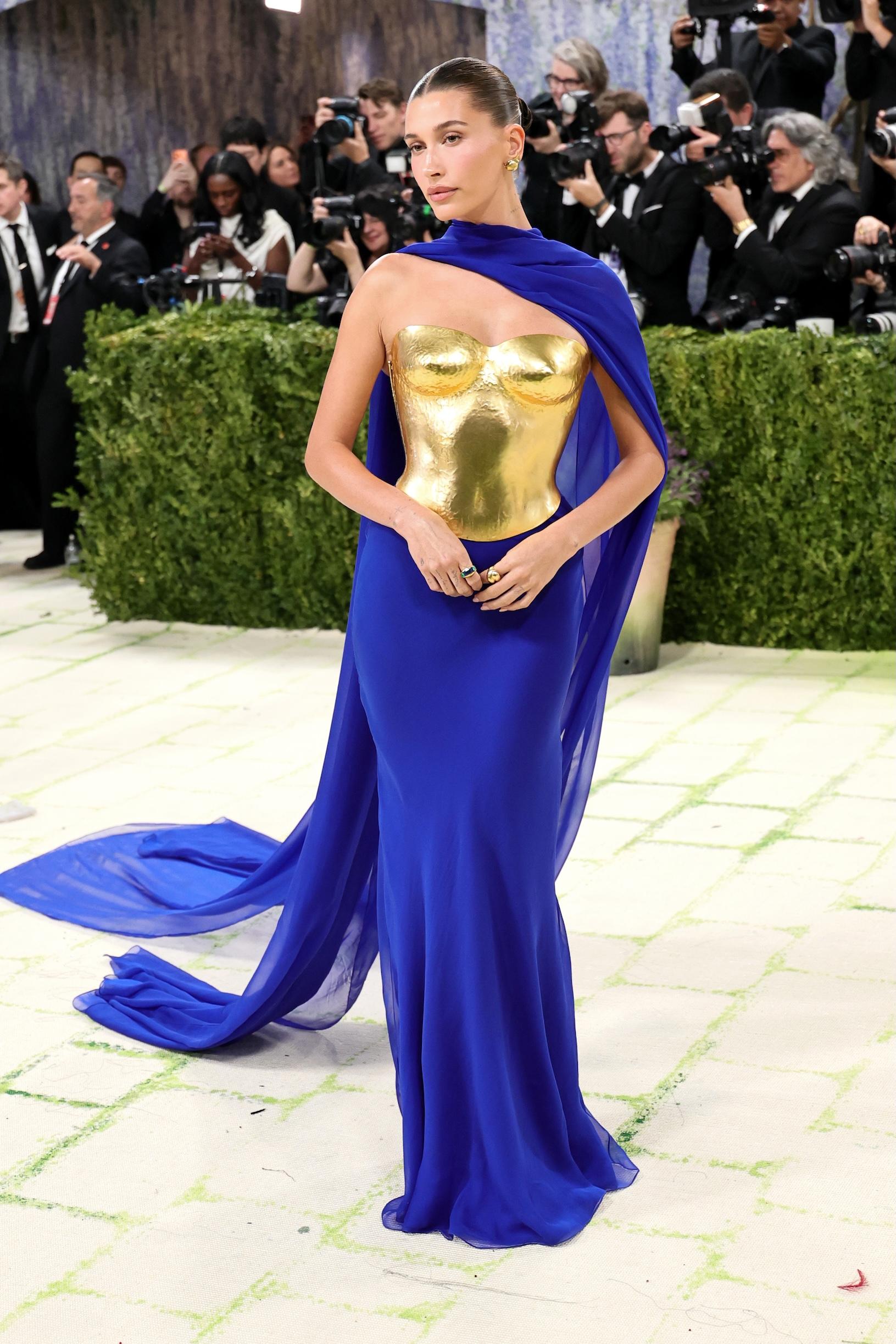
At the most recent display of fashion in its most creative form i.e. the MET Gala 2026, it was Hailey Bieber who lent a sense of déjà vu once again. Her outfit of choice was a custom creation designed by Anthony Vaccarello for Saint Laurent that leaned into the ‘Costume Art’ theme. With a 24-karat gold breastplate that was custom-molded to her form, she wore a striking cobalt-blue flowing chiffon skirt with matching fabric draped around her neck. Once again, her look drew comparisons to the structural form and pairings of a traditional Indian lehenga but Saint Laurent only credited Yves Saint Laurent’s 1969 collaboration with French sculptor Claude Lalanne as inspiration for the look.
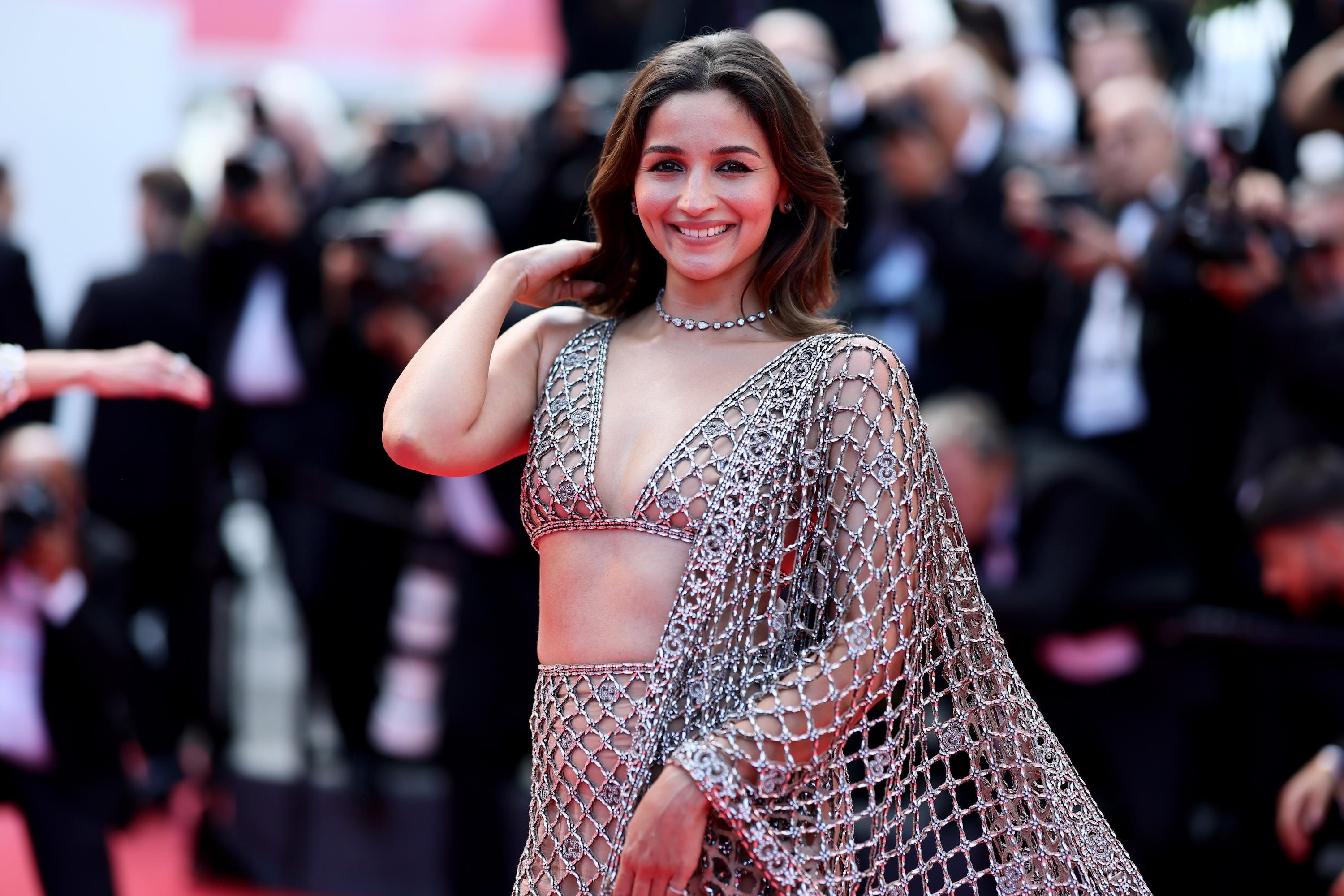
The impending arrival of the Cannes Film Festival 2026 reminds us of last summer, when Alia Bhatt made her debut at the event in a sparkling Gucci look at the Italian design label’s global ambassador. In a V-neck blouse with a mermaid-style skirt and a mesh fabric stole draped around over her shoulder, her red carpet look drew reactions which were was as polarising as they come. While the actress looked perfectly stunning the GG-monogrammed, Swarovski crystal-emblazoned outfit, nowhere was the Indian lehenga given any credit as inspiration for the look; despite netizens debating it heavily on social media. Alia described it as a “custom Gucci GG monogram interpretation of a saree” (despite it bearing more resemblance to a lehenga rather than a saree) but the design house glazed over the debate by officially referring to it as a “custom Gucci gown” and put the matter to rest.
From dupattas being white-washed as Scandinavian scarves and lehengas being referred to as multi-piece ensembles, these creations; which are designed by some of the world’s most notable design houses and worn by the most famous faces from across the globe, win in every aspect except one. The inspiration behind them remains vague and unclear; which is where it matters the most to truly champion centuries of culture and heritage on the world stage.
(Also Read: Cannes 2026: A look back at Alia Bhatt's very stylish Cannes debut)