- Home
- Food
The Indian legacy behind the new way India is drinking
Indian luxury spirits are moving beyond imported labels, embracing heritage grains, regional terroir and craft-led narratives. From whisky to vodka, the new definition of premium is rooted in Indian origin, intention and authenticity.

India’s relationship with luxury in the premium spirits category has shifted dramatically over the past decade. What was once an imported idea — that luxury meant foreign labels, imported oak and Scotch provenance — has been reinterpreted through an Indian lens: heritage, region, craft and terroir. Today, premium spirits in India no longer merely mirror Western templates; they celebrate Indian ingredients, agricultural know-how and local stories, creating a new language of luxury that is as much about place and people as it is about price or packaging.
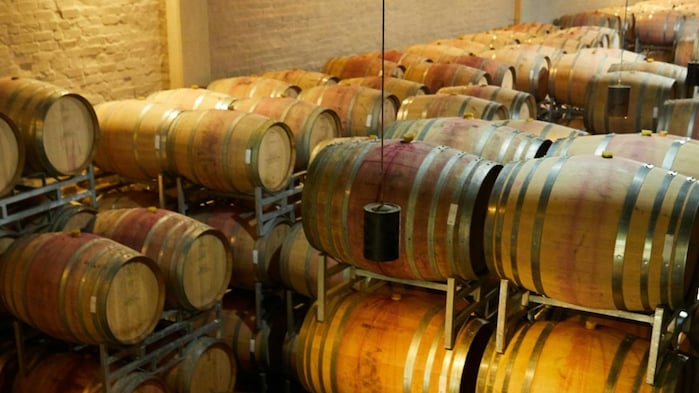
This renaissance is most visible in Indian single-malt whiskies. Distilleries across the country are mining regional character — the soft waters of the plains, distinctive malts, varied cask programmes and the influence of tropical maturation — to craft expressions that are unmistakably Indian. The luxury narrative here is less about age statements and more about provenance: limited releases, thoughtful finishes and collaborations that foreground where and how a spirit is made. Increasingly, connoisseurs are valuing the story behind the bottle: which grain, which cask and which hands shaped the spirit.
Gin, too, has found a distinctly Indian premium voice. Moving beyond generic juniper-forward profiles, craft producers are turning to India’s extraordinary botanical palette — native citrus, spices, florals and regional herbs — to build complex, layered spirits. Luxury in gin now signals thoughtful sourcing, small-batch distillation and botanical narratives that reflect the subcontinent’s biodiversity. These are gins designed for slow appreciation as much as for cocktails, with presentation that echoes the care taken within.
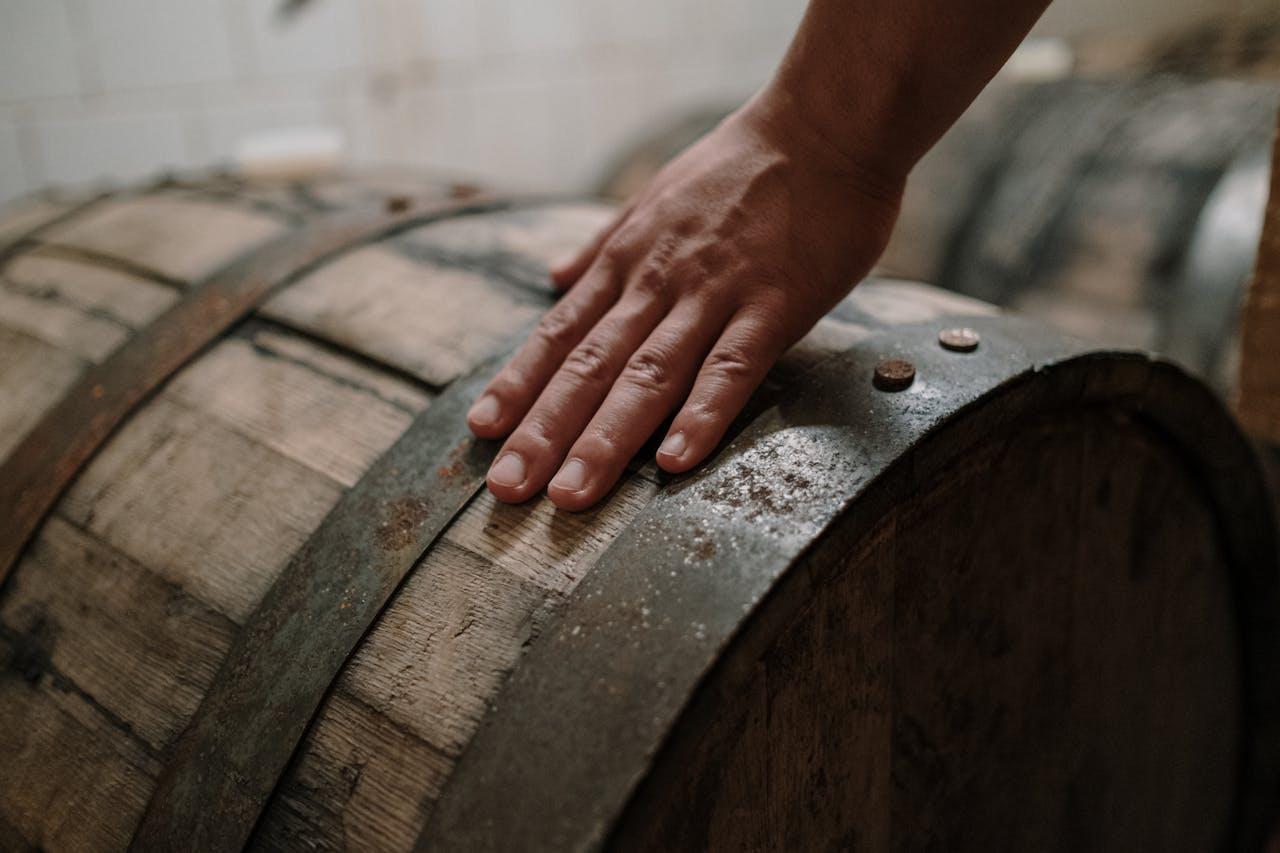
Rum in India has also evolved from a background mixer into a serious sipping category. Drawing on the country’s deep-rooted cane culture and long fermentation traditions, premium aged rums are emerging with discipline and intent. Barrel ageing, tropical maturation, and finishes inspired by regional traditions have elevated rum into the luxury conversation, where origin and craft increasingly outweigh commodity.
Even wine — once an imported indulgence for a limited audience — is being redefined through Indian terroir. Boutique vineyards in cooler microclimates are producing varietals with distinct personalities, shaped by soil composition, monsoon rhythms and elevation. For today’s consumer, luxury is no longer confined to the label alone; vineyard practices, sustainability and artisanal production have become integral to perceived value.
(Also Read: Mark the beginning of the year with a promising start at India's finest culinary destinations)
Against this backdrop of terroir-driven reinvention, vodka has historically lagged. In India, much of the category’s premiumisation has been marketing-led, relying on flavour infusions or packaging rather than a deeper craft narrative. Vodka was often positioned as neutral and anonymous — designed for mixing, not contemplation.
That perception is beginning to change. A new wave of producers is anchoring vodka in agriculture and origin, using specific grains and regional stories to introduce nuance, texture and character. By revisiting heritage wheat varieties and focusing on mouthfeel and purity, these approaches challenge the idea that vodka cannot express a sense of place.
This shift reframes vodka as a spirit worthy of the same conversations long reserved for whisky, gin or wine. Thoughtful design, restrained finishing, and small-batch processes matter, but the more meaningful evolution is conceptual: treating vodka as an agricultural product with lineage, not just a neutral base. In doing so, this emerging category broadens how Indian consumers define luxury — moving it away from imported mystique and toward traceable, authentic ingredients rooted in local landscapes.
India’s premium spirits landscape, then, is not a copy of global luxury but an increasingly confident movement of its own. Single malts, gins, rums, wines — and now vodka — are being reimagined through Indian soil, seasons and stories. Luxury, in this context, lies not in excess, but in intention: the elegance of origins made visible in the glass.
(Also Read: Expert-approved Christmas food and drink pairings)
Text by Mr. Surrinder Kumar, Master Blender – Piccadily Distilleries. Mr. Surrinder Kumar, the master blender behind Indri – India’s first triple cask single malt – has been instrumental in redefining India’s premium spirits narrative, recently with Cashmir Vodka, India’s first organic craft vodka made with 2000-year-old heritage grain Sona Moti. With over 30 years of blending expertise, he has shaped award-winning spirits that reflect Indian terroir and global ambition.
Continue Reading