- Home
- Lifestyle
What to expect from the 17th edition of the India Art Fair in New Delhi
India Art Fair returns to the Capital city for its seventeenth successful year to bring India's most sought-after artists' work and their impact in the contemporary art world, under one roof

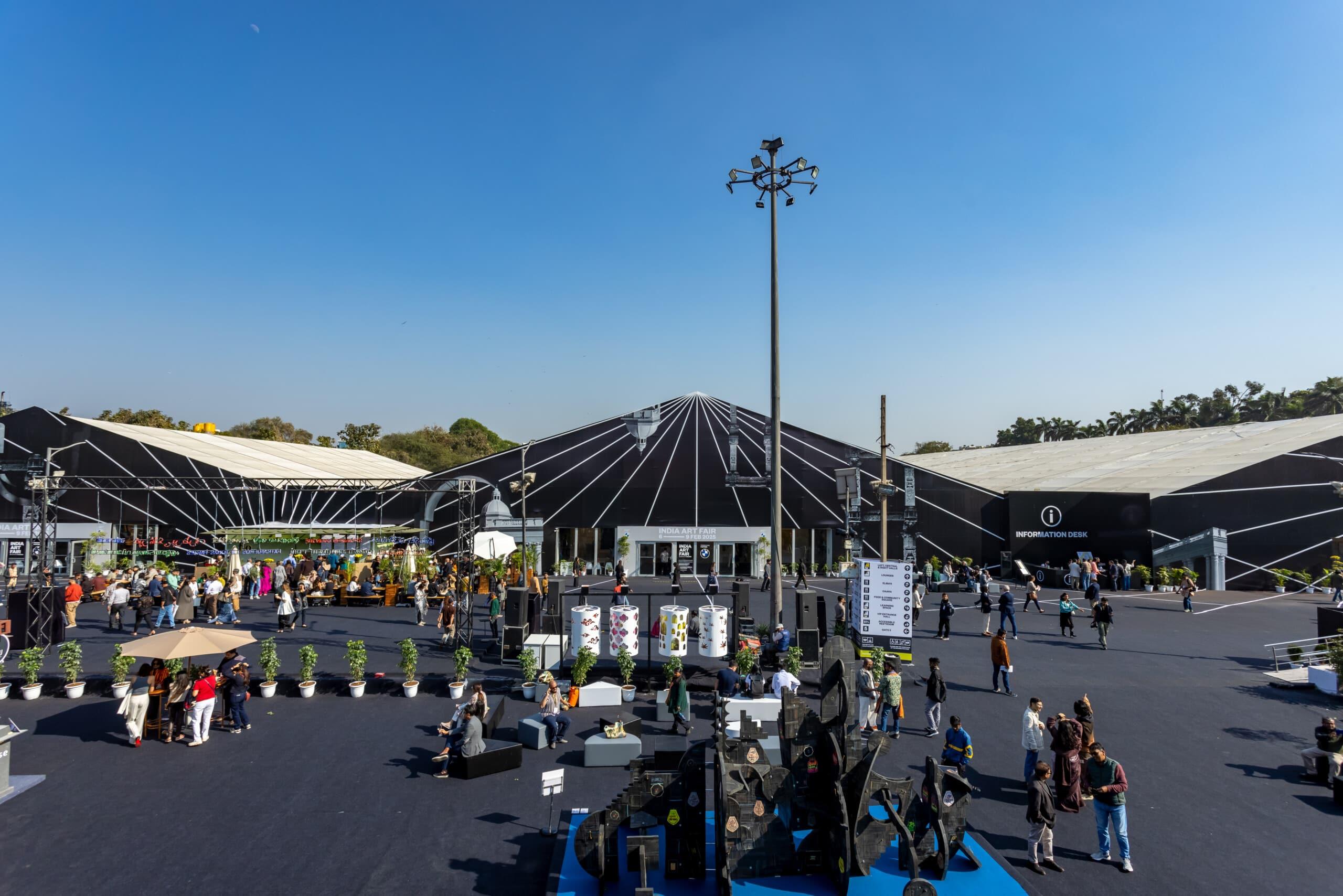
India Art Fair, the definitive destination for discovering modern and contemporary art from South Asia, returns to New Delhi with its most ambitious edition to date. Taking place from 5–8 February 2026 at the NSIC Exhibition Grounds, the fair—presented in partnership with BMW India—will host a record 133 exhibitors, transforming the capital into a vibrant crossroads of art, design, performance and critical discourse.
Now in its 17th edition, India Art Fair 2026 marks a decisive moment for South Asian art on the global stage. Alongside 94 galleries from India and abroad, the fair welcomes 26 new exhibitors, reinforcing its role as a leading platform for discovery while spotlighting the region’s evolving artistic voices. From modern masters to experimental contemporary practices and collectable design, the fair offers a panoramic view of South Asia’s creative present and future.
CONTEMPORARY AND EMERGING VOICES TO WATCH OUT FOR
Among the most compelling contemporary practices this year is Ashfika Rahman, presented by Vadehra Art Gallery. Her large-scale, ceiling-suspended installations—woven with gold threads and marbles—hover delicately above viewers, evoking histories of displacement, memory and marginalised narratives. There’s a quiet gravity to her work that asks you to slow down and look up.
A major highlight this year is the fair’s expanding outdoor art programme, which animates the fairgrounds with large-scale, publicly accessible works. Kulpreet Singh’s Extinction Archive, commissioned by the Kiran Nadar Museum of Art, confronts ecological loss through research-driven practice rooted in the aftermath of the Green Revolution. Serendipity Arts returns with The Charpai Project by Ayush Kasliwal, reimagined with a digital intervention by AI artist Goji, merging traditional craft with contemporary technology.
Equally striking is Viraj Khanna, shown by Kalakriti Art Gallery. Drawing from traditional khakha (preparatory drawings), Khanna layers embroidery, textiles and paint to create works that feel intentionally raw—almost resisting the polished perfection demanded by social media culture.
(Also Read: Underrated architectural styles you probably didn't even know were sitting in your room)
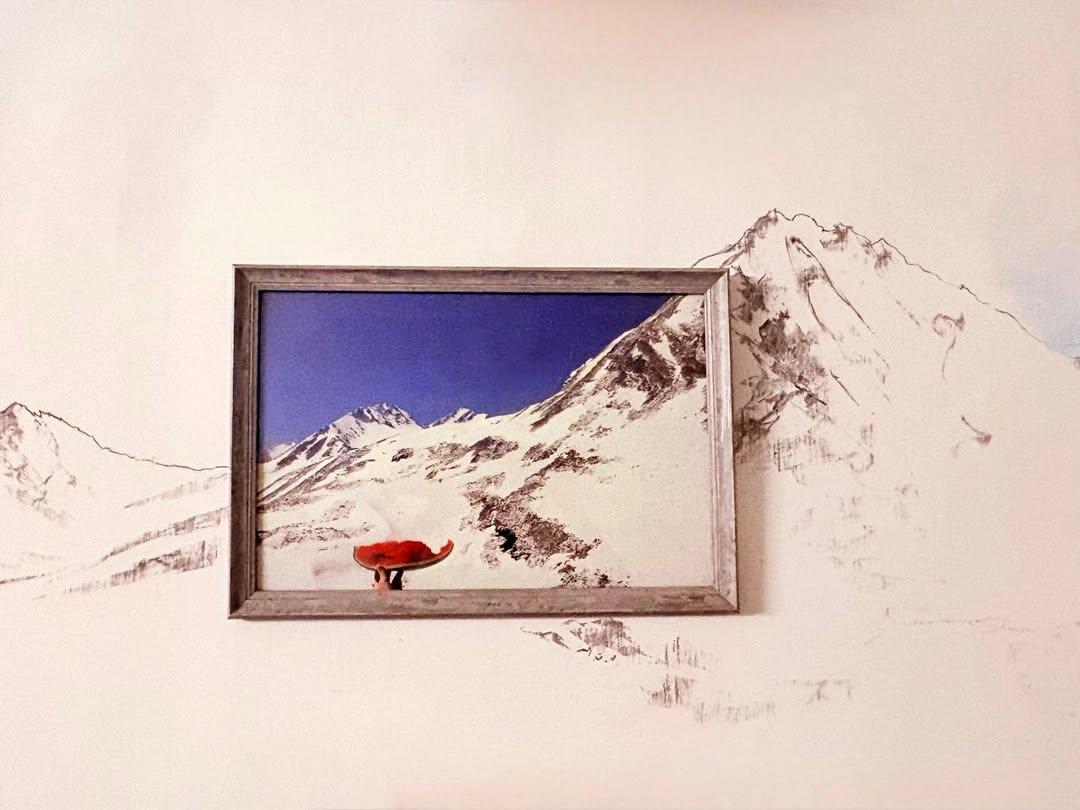
Curated by Nikhil Chopra, the programme centres on Breakfast in a Blizzard, an open-air, participatory installation that transforms cooking into a performative act of care. Led by Yuko Kaseki, Uriel Barthélémi and Suman Sridhar (Black Mamba), the performances weave sound, movement and improvisation into collective experiences shaped by memory, mourning and desire.
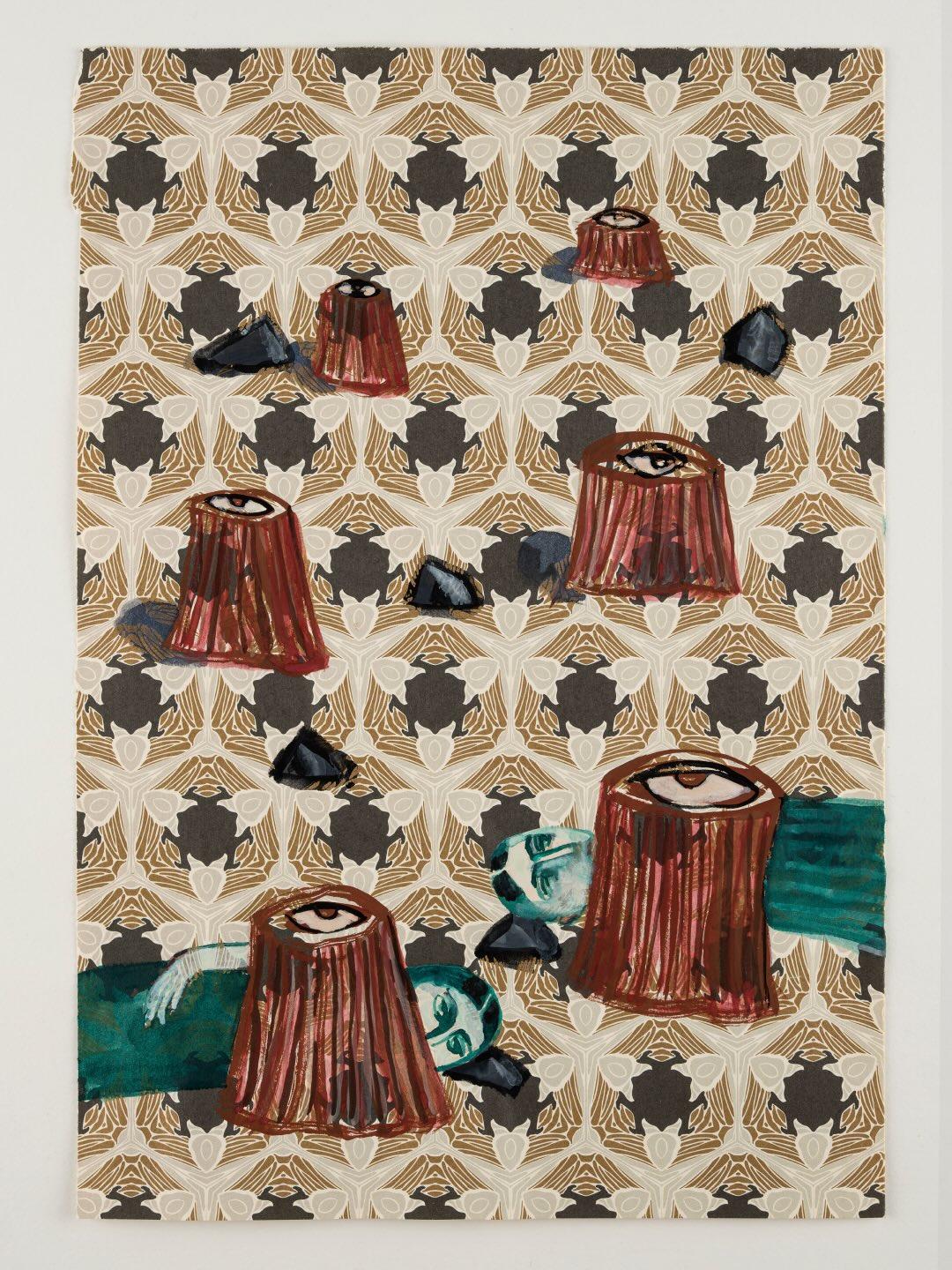
Figuration takes centre stage in the work of Devi Seetharam, whose large-scale paintings from her Brothers, Fathers and Uncles series explore intimacy, masculinity and familial memory with astonishing detail and emotional depth.
In the Sculpture Park, Deepak Kumar, presented by Exhibit 320, turns the spotlight on overlooked urban “weeds.” His bronze installations quietly reframe ideas of biodiversity, resilience and what we choose to value in rapidly urbanising landscapes.
The Focus section (Booth A02) introduces a dynamic mix of artists, including Shyama Golden, Melissa Joseph, Gisela McDaniel, Rajni Perera, and Tarini Sethi, each offering distinct perspectives on identity, the body and cultural inheritance.
(Also Read: South Asia’s boldest women take the spotlight with The Bicester Collection's Unlock Her Future 2025)
MODERN AND ESTABILISHED MASTERS
Anchoring the fair’s historical continuum are stalwarts of Indian and international modernism. Atul Dodiya returns with his iconic mechanical rolling shutters, while Anju Dodiya presents layered textile-based paintings—both shown by Vadehra Art Gallery.
Monumental sculptures by Paresh Maity and Deepak Kumar further explore materiality, sustainability and spatial presence, while Forest II by Raki Nikahetiya introduces a living ecosystem using the Miyawaki method.
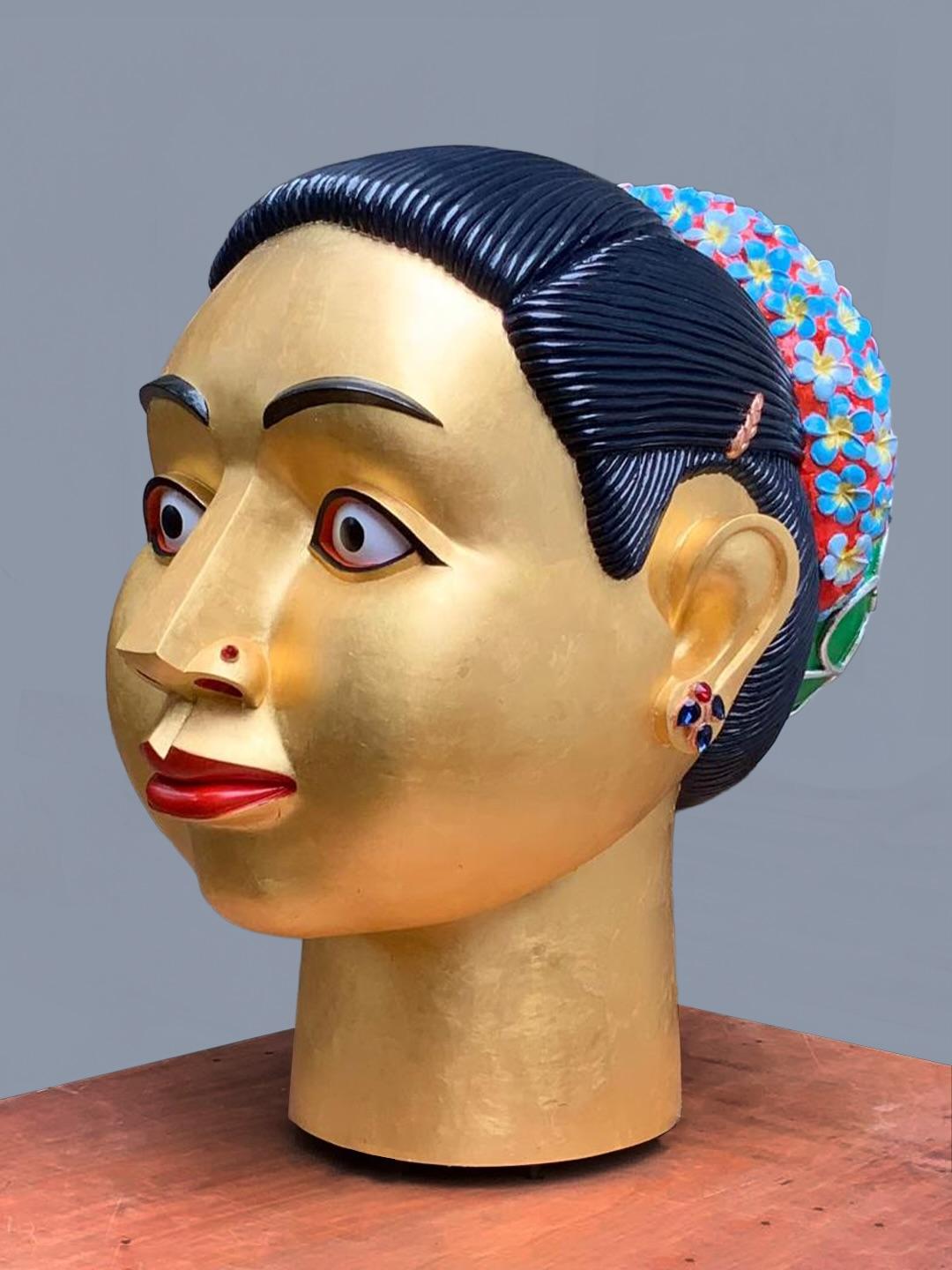
This year, Apparao Galleries brings a presentation of sculptures by Ravinder Reddy. His work at the fair, ‘Presence – Tipping the Scales of the Known’, establishes an immediate and embodied sense of presence with monumental heads and figurative forms. Working with a bold palette of gold, red, copper, and blue, Reddy amplifies their impact through surface and scale. His sculptures, an extension of his sustained exploration of the human form, are shaped by meticulous attention to detail and a deep respect for the feminine as a force of presence. The works assert spatial authority across both, engaging the viewer frontally and shaping an encounter that is direct and physically immediate.
International heavyweight Yayoi Kusama appears with her instantly recognisable Infinity Nets and pumpkins via David Zwirner, alongside the visceral sculptural works of Huma Bhabha.
A poignant highlight comes from Gieve Patel, whose final work from his Wells series is on view, offering a moment of quiet reflection amid the fair’s scale. S. H. Raza and Jamini Roy, presented by DAG, reaffirm the visual and philosophical foundations of Indian modernism.
Institutions section welcomes first-time participants including Sabyasachi Art Foundation Gallery, Ardee Foundation, and Mapin Foundation, along with returning institutions like Australian High Commission, Serendipity Arts, Britto Arts Trust and others.
What ultimately defines India Art Fair 2026 is its emphasis on artists who bridge tradition with contemporary urgency. Whether through embroidery suspended in air, bronze weeds reclaiming space, or mechanical shutters rolling open layers of memory, the fair reflects a region thinking deeply about where it comes from—and where it is headed. After seventeen successful editions in its transient nature to bring something fresh to the table, with many more to come, there's one thing that remains constant: the comfort to pause, reflect and immerse yourself in a realm beyond the surface.
(Also Read: HELLO! India Exclusive: A glimpse into maximalist maestro Adil Ahmad's ancestral abode)