- Home
- Food
From vineyard tastings to weekends festivals, tracking wine’s cultural shift in India
Wine in India was once perceived as intimidating. Today, it has evolved into a lifestyle choice shaped by culture, and community
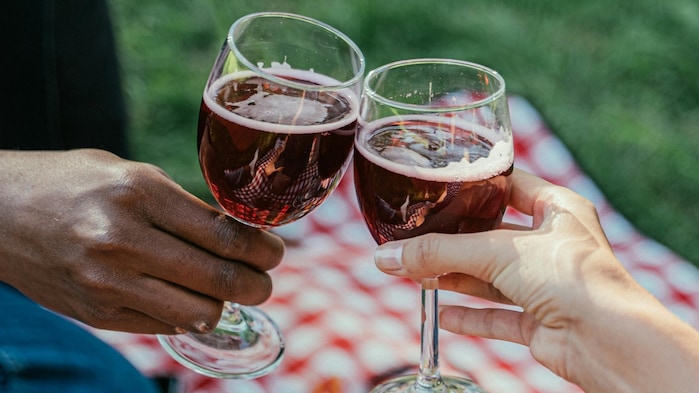

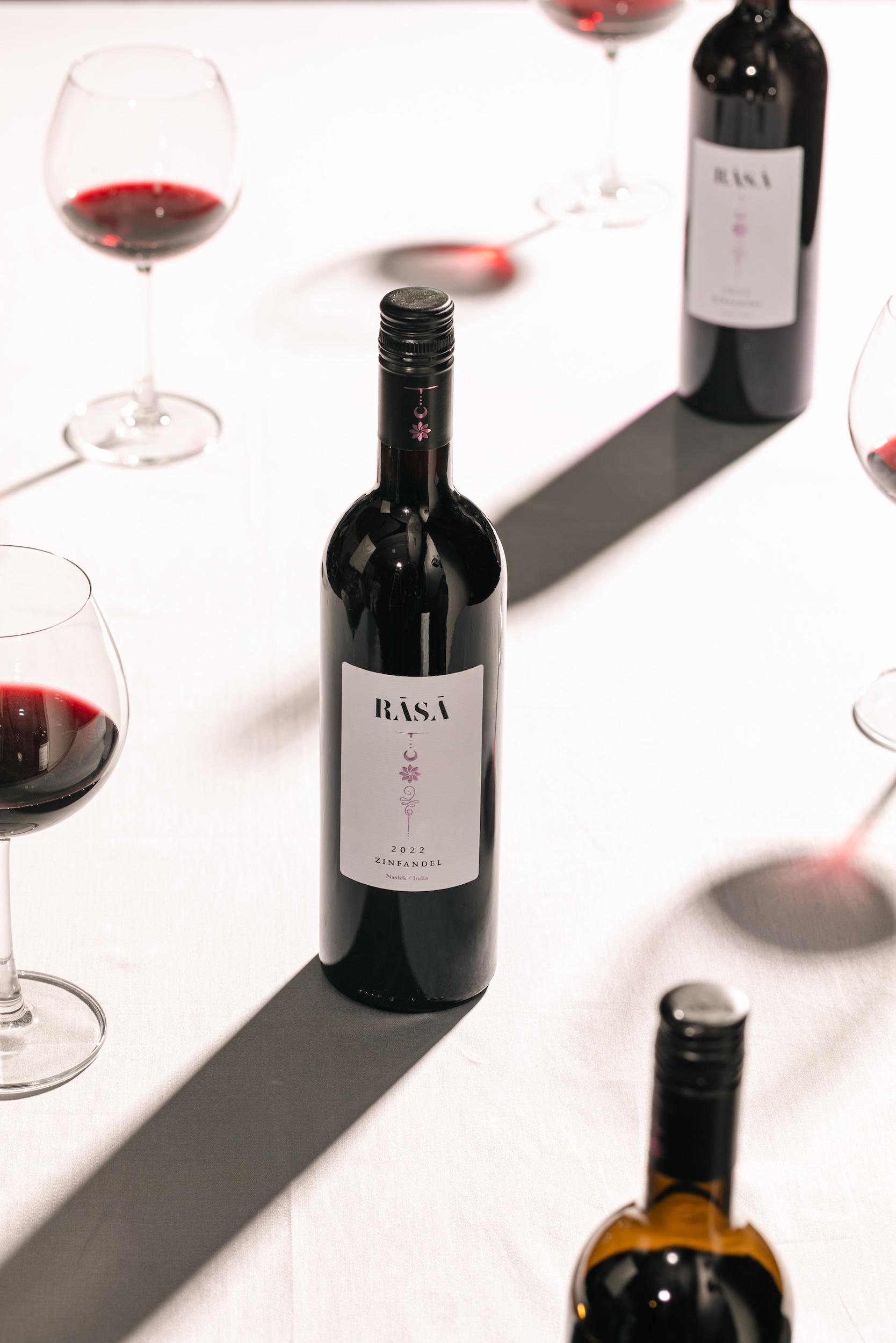
Wine in India has long been reserved for fine-dining restaurants, special occasions, or sommeliers well-versed in its tasting rituals. Today, it has quietly but confidently entered a different kind of space: the dinner table, the weekend plan, the music festival, the travel itinerary. What was once perceived as intimidating has evolved into a lifestyle choice shaped by culture, and community.
(Also Read: The rise of Benne dosa marks an honest return to regional Indian food)
Wine's evolution in India
Monit Dhavale, the Head of Hospitality at Sula Vineyards believes that this shift mirrors broader changes in how Indians socialise and celebrate. “In India, the popularity of wine has grown in tandem with broader cultural and lifestyle changes,” he explains. “Wine is no longer only used in formal settings; it is now a part of socializing, traveling, and celebrating.” Relaxed dining, vineyard visits, and wine-led gatherings have helped reposition wine as something “approachable, social, and rooted in shared moments rather than formality.”
As wine moved into more casual settings, the Indian palate began to evolve alongside it. “Over time, the Indian palate has developed considerably and is no longer limited to simple or sweet styles,” he says. “Consumers today are more receptive to complex, multi-layered profiles that convey origin and craftsmanship.” This growing openness reflects a deeper confidence; drinkers are no longer just consuming wine, they’re also asking questions, and developing a sense of personal taste.
The responsibilities of Indian wineries and younger generations
Indian wineries have played a crucial role in easing this journey, particularly for first-time drinkers. Instead of overwhelming consumers with technical language, many focused on experience-led learning. “By emphasising experience-led education over technical complexity, Indian wineries have been instrumental in making wine approachable,” Dhavale notes. Tastings, vineyard visits, food pairings, and storytelling helped dismantle the idea that wine needed prior knowledge to be enjoyed.
Younger drinkers, in particular, have accelerated this cultural shift. Wine, for them, is less about rules and more about context. “Wine culture is being redefined by younger drinkers, who make it more laid-back, social, and experience driven,” Dhavale says. “Instead of being saved for formal events, wine is now enjoyed with music, travel, food, and festivals.” This generation values authenticity and narrative, seeing wine as part of a broader lifestyle rather than a symbol of occasion.
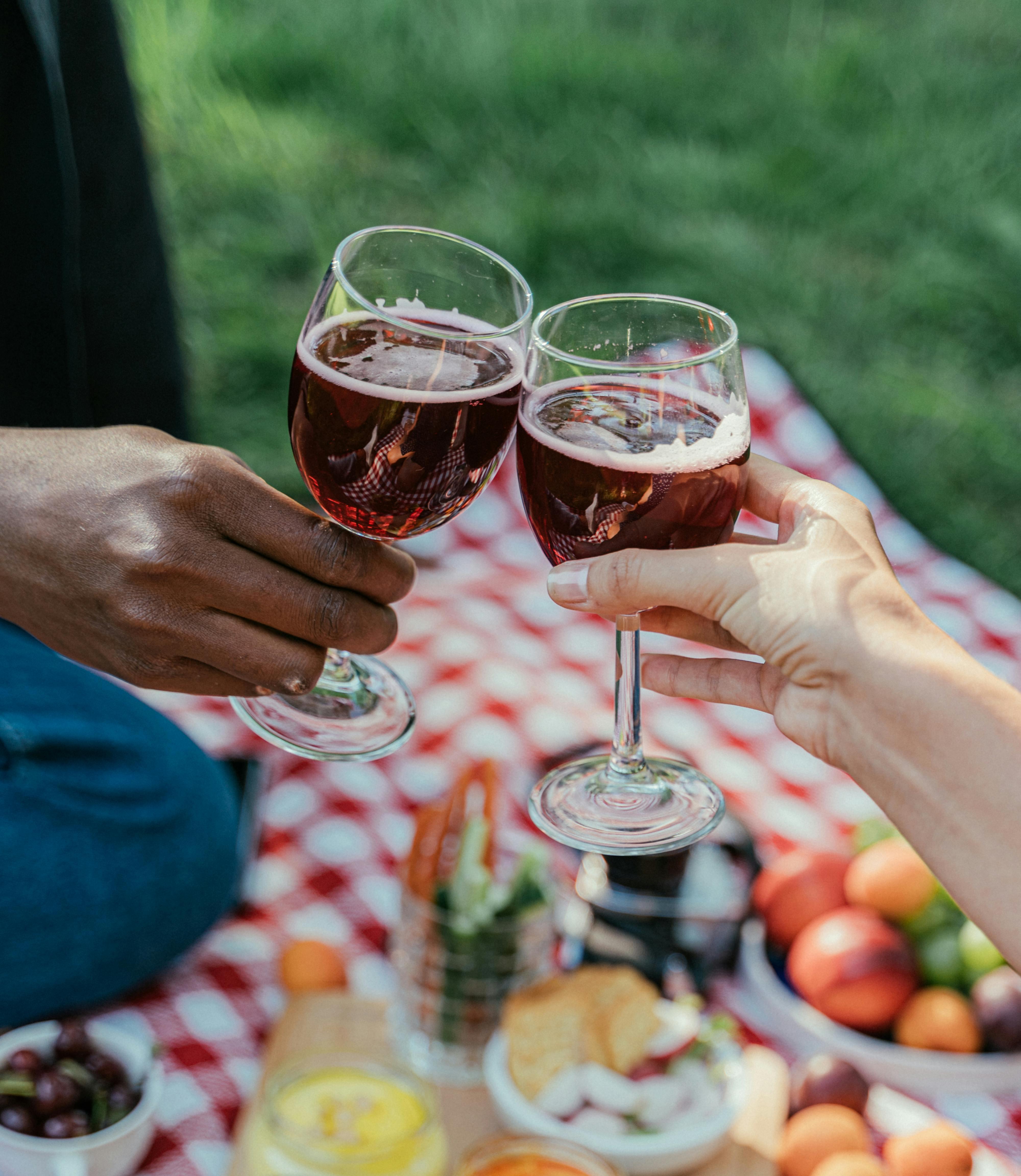
Wine's window into the world
Exposure beyond India has further shaped this mindset. Increased global travel, along with lifestyle-driven media and evolving dining scenes, has normalised wine as an everyday companion. “As Indians travel more internationally, they experience wine as a natural part of everyday meals and culture,” says Monit. Media and curated dining experiences, he adds, have helped demystify wine by placing it in relaxed, non-intimidating environments.
(Also Read: Say HELLO! to expert-approved food and drink pairings to make every occasion special)
Beyond wine festivals
Few platforms have captured this cultural convergence as powerfully as SulaFest. More than a wine festival, it has redefined how wine is experienced in India. “SulaFest has fundamentally changed how people experience wine in India by moving it beyond the glass and into culture. People don’t come to SulaFest just to taste wine; they come to experience a lifestyle.” For many, it is their first encounter with vineyards, tastings, and the stories behind winemaking. “It acts as a gateway into the wine ecosystem rather than just an event,” Dhavale explains.
In a landscape of numerous gatherings, it stands as proof that culture-led festivals can shape taste, curiosity, and community; which has taken wine from fine-dining restaurant tables to the living couch.
Monit Dhavale is the Head of Hospitality at Sula Vineyards who has nearly two decades of experience in the field of hospitality.
(Also Read: The Indian legacy behind the new way India is drinking)