- Home
- Food
How India’s dining scene is embracing culinary crossovers
In an era in which experiences hold as much value as the meal itself, chef and bar takeovers may be defining the future of hospitality

The restaurant industry has long been built on consistency. Diners return to their favourite destinations for signature dishes, familiar flavours and a level of service they know they can trust. Today, however, India's evolving food culture is shifting the focus towards experiences that are immersive, collaborative and constantly evolving. What was once considered a niche hospitality concept has become a trend shaping the country's culinary landscape. From internationally acclaimed chefs introducing regional specialities to celebrated mixologists creating limited-edition cocktail programmes, takeovers are redefining what it means to dine out.
(Also Read: Bar takeovers are taking over the social scene)
New energy, familiar space
A takeover can completely transform a restaurant, even if only temporarily. A destination guests know intimately can suddenly feel entirely new through a different menu, a fresh approach to ingredients or an unexpected interpretation of a classic dish. These collaborations create an atmosphere of discovery that extends beyond the food itself. They encourage guests to experience a familiar setting through a different lens while introducing new conversations and perspectives into the dining experience.
Rather than replacing a venue's philosophy, successful collaborations build upon it. Visiting chefs and mixologists often work closely with in-house teams to create menus that complement a restaurant's existing character while adding new layers of creativity. Beyond introducing signature dishes and cocktails, they often showcase unfamiliar techniques, ingredients and traditions that encourage diners to explore new culinary narratives. This balance allows diners to enjoy a sense of novelty while continuing to experience the quality, consistency and service standards that initially established the restaurant's reputation.
(Also Read: Art-inspired restaurants to dine with artistic flair)
Takeover culture is taking over India
Diners today are more widely travelled, more digitally engaged and more willing to experiment with concepts that extend beyond traditional restaurant experiences. Takeovers answer this demand by offering exclusivity, authenticity and a strong sense of occasion. They create experiences that feel personal and memorable while allowing guests to discover internationally recognised culinary talent without leaving their own cities.
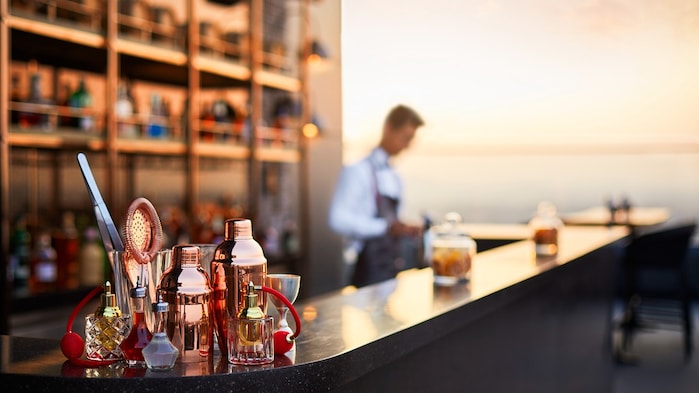
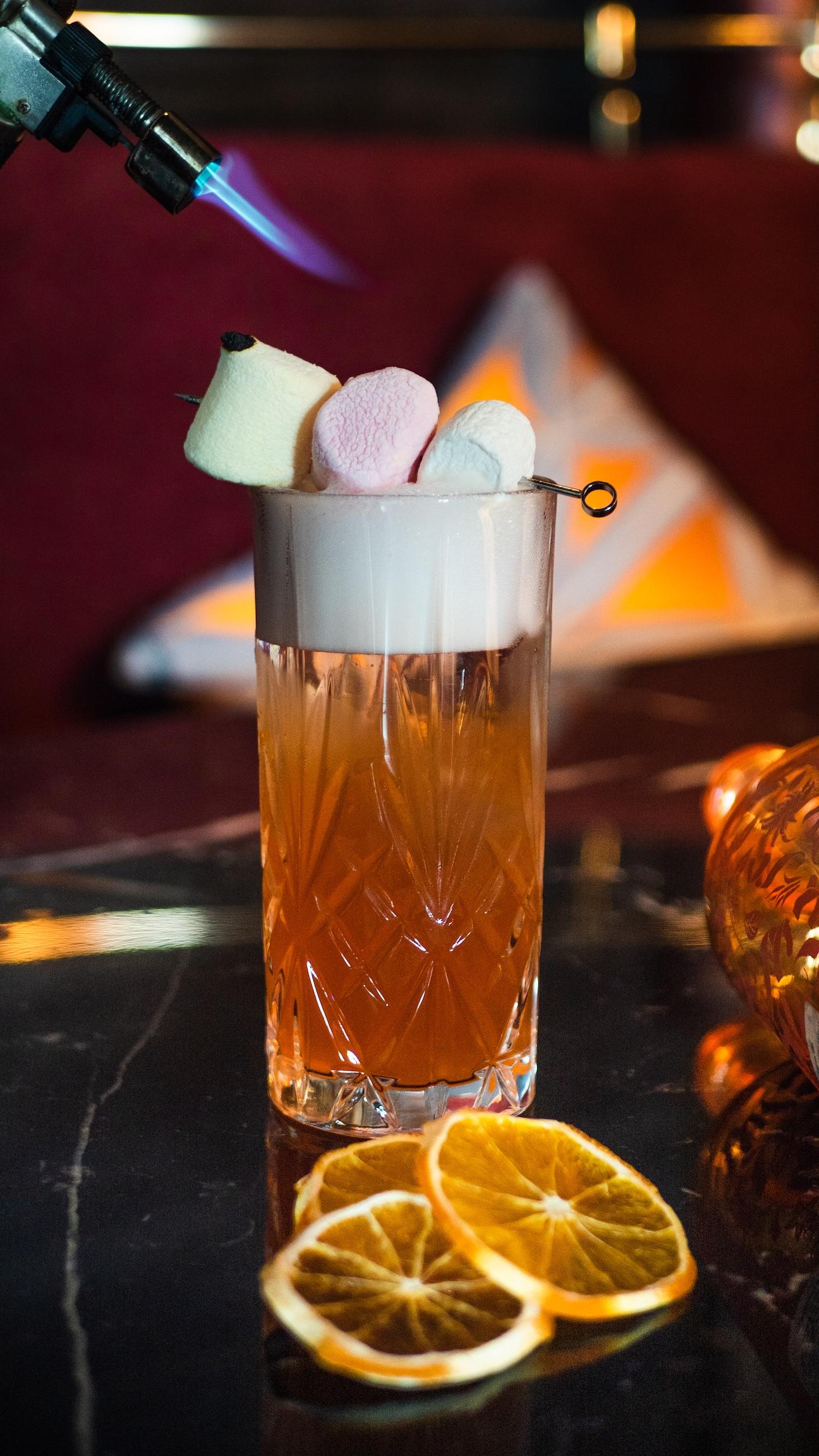
Limited-edition menus, one-night-only events and collaborations with acclaimed chefs naturally generate anticipation and excitement. These experiences are inherently shareable, creating the kind of buzz that resonates with digitally connected consumers. Aasmana at The Ritz-Carlton, Pune recently welcomed Tres Monos, who are ranked No. 10 on The World’s 50 Best Bars 2025, for a one-night-only bar takeover which brought the vibrant energy of Buenos Aires to Pune by serving up Argentine flair and innovative mixology on Aasmana’s refined rooftop.
More than a passing trend
In some way, it's the the temporary nature of a takeover that makes it so appealing. The knowledge that an experience is available for only a short period creates a sense of urgency that traditional dining experiences often struggle to replicate. Ultimately, these collaborations reflect a larger transformation in the way people approach dining. Restaurants are no longer simply places to eat; they have become spaces for storytelling, creativity and cultural exploration.
In an era in which experiences hold as much value as the meal itself, chef and bar takeovers may be defining the future of hospitality.
Gagan Sahu is the Executive Sous Chef at The Ritz-Carlton, Pune
(Also Read: These speakeasies in Delhi NCR are some of the city's best-kept secrets)
Other topics
Continue Reading