- Home
- Health & Fitness
How celebrity wellness is shaping a healthier conversation beyond diets
For decades, celebrity diet culture followed a familiar script: dramatic transformations, restrictive eating and aesthetic-driven goals framed as health advice. In 2026, the narrative looks markedly different

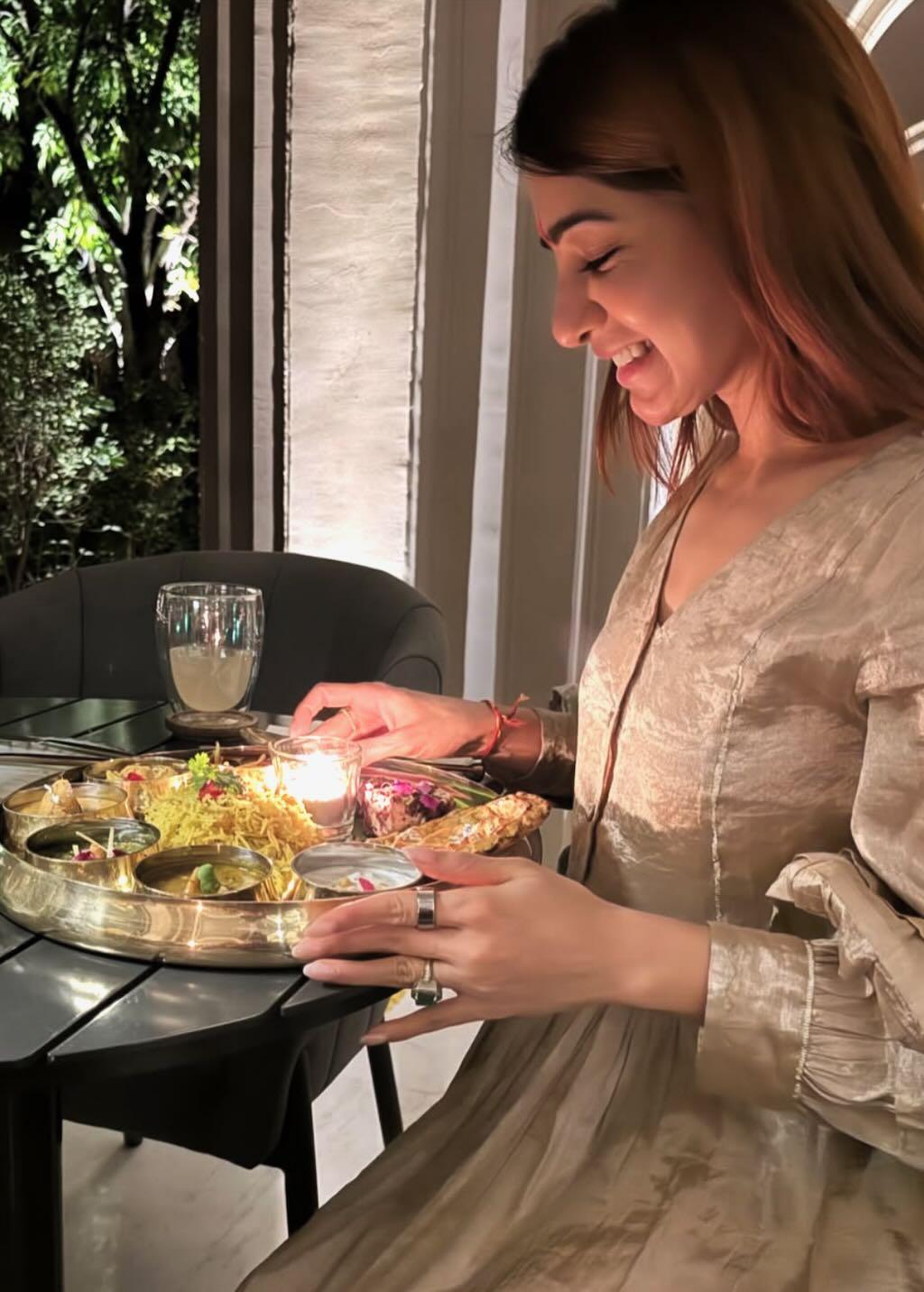
Something has shifted in 2026. The change is visible not in clinics or conferences, but in everyday spaces; cafés, college campuses and social media feeds. In Mumbai, conversations among young people are no longer centred on calorie counts or crash diets, but on fermented foods, gut health and energy levels. These discussions aren’t driven by medical professionals, but by celebrities sharing details of their daily wellness routines online.
For decades, celebrity diet culture followed a familiar script: dramatic transformations, restrictive eating and aesthetic-driven goals framed as health advice. Thinness was equated with discipline, and deprivation was marketed as virtue. Health, in popular culture, was largely visual. In 2026, the narrative looks markedly different.
(Also Read: An expert's advice to make a big difference with small changes in your lifestyle)
The gut-brain revolution
When well-known figures openly discuss how specific foods affect anxiety levels or mental clarity, they help normalise a connection long recognised by medical science but rarely discussed in mainstream culture. Nutrition plays a significant role in mental health; the gut produces approximately 90% of the body’s serotonin. What celebrity culture is now providing is cultural permission — making it acceptable, even aspirational, to talk about food as support for mental health rather than solely as a tool for physical transformation.
Food as identity
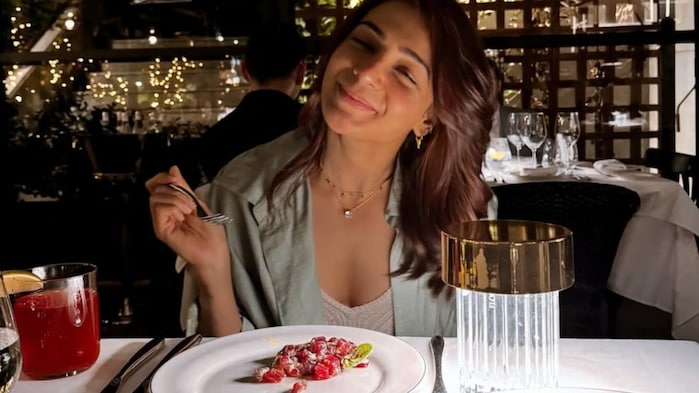
For younger generations, the question is no longer simply “What should I eat?” but “What does my plate say about me?” Plant-forward meals signal environmental awareness. Locally sourced ingredients suggest community values. Mindful meal preparation conveys self-respect and intention. This shift, however, carries risk. The performance of wellness can quickly overshadow its purpose. Eating for the camera rather than the body, or choosing foods based on aesthetics rather than nourishment, has created a new form of pressure; one that mirrors the anxiety once associated with diet culture, albeit in a more polished form.
On one side lies genuine progress: accessible conversations about nutrition, broader awareness of mental health connections, and a growing acceptance that caring about food is neither vain nor extreme. On the other side are familiar pitfalls — expensive supplements, highly personalised nutrition plans and an unspoken implication that optimisation is a moral obligation. The distinction lies in discernment. Awareness can be empowering; comparison can be corrosive. The objective, increasingly emphasised by experts, is not to emulate celebrity habits, but to understand one’s own body well enough to make informed, sustainable choices.
The question of access
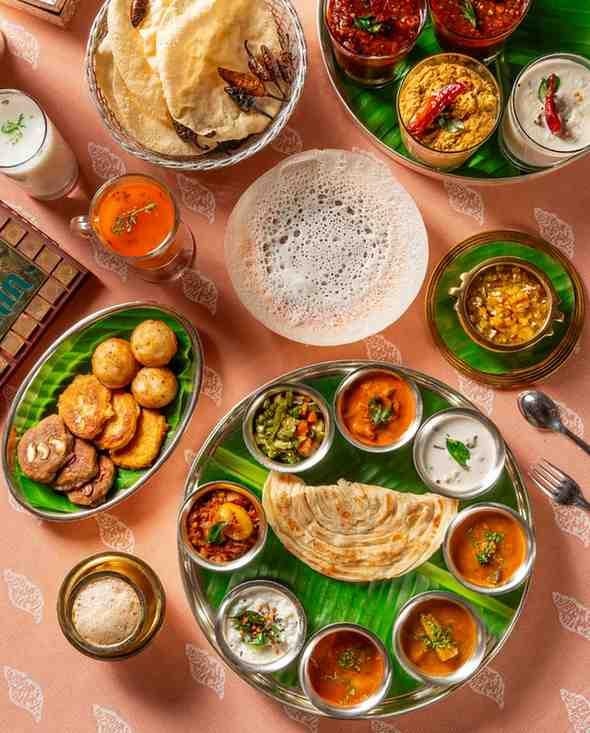
When influential figures consistently promote local, sustainable and whole foods, demand follows. Farmers’ markets expand. Grocery stores adapt inventory. Over time, increased supply helps moderate prices. Early signs of this shift are visible in urban India, where fermented foods, whole grains and regional ingredients are gaining renewed attention and wider availability. While healthy food access remains uneven, particularly across socio-economic lines, the trajectory is moving in a constructive direction.
Celebrity culture did not create the science of nutrition. But in 2026, it is playing a notable role in reshaping public dialogue — bringing conversations about food, mental health and wellbeing into spaces where they were once absent. The real question is how audiences choose to engage with that influence: by following someone else’s blueprint, or by using the spotlight to better understand their own needs.
Ritesh Bawri is the founder and chief science officer at nirā balance
(Also Read: Flexible, social, sustainable: What India’s fitness blueprint for 2026 looks like)